

Wall Squats Lower Blood Pressure, and Why ASEAN Employers Should Care
<p>Wall squats cut blood pressure by up to 13.73 mm Hg in a new BMJ study, and ASEAN employers should take note of the cost-free intervention.</p>
•
1 min
34 articles in this category
<p>Wall squats cut blood pressure by up to 13.73 mm Hg in a new BMJ study, and ASEAN employers should take note of the cost-free intervention.</p>

A landmark 2022 study said sperm counts halved worldwide. Newer research complicates the story, and the health implications go well beyond fertility.

Southeast Asian consumers weighing honey against sugar should focus on portion control rather than nutritional myths, as experts find no clear health advantage between the two sweeteners.

Dermatologists recommend 3 to 7 showers weekly, warm water, and hands over loofahs. Data-backed tips for optimal skin health in Southeast Asia's urban hubs.

Can diabetics eat candy? Experts say yes, with caveats. A regional guide to blood sugar management, smart candy choices, and alternatives for Southeast Asia's 90 million adults with diabetes.

A 31,000-person study finds that eating breakfast after noon is linked to a 29% higher mortality risk, with implications for workforce health and productivity across ASEAN.

The Luria test, a 10-second hand sequence, is a reliable screening tool for dementia. Singapore's geriatric specialists use it alongside broader assessments to address the region's ageing population.
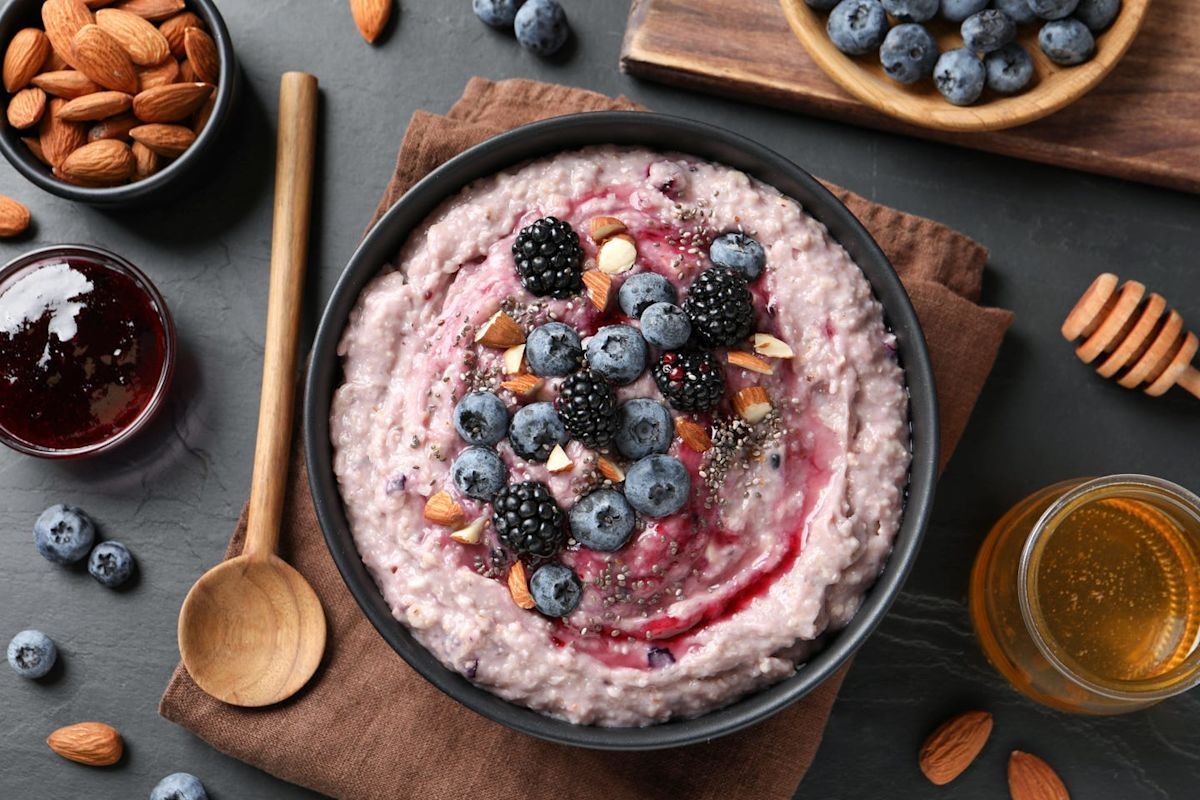
Oatmeal is getting a data-driven upgrade in Southeast Asia, where health-conscious consumers are turning to nutrient-dense toppings like milk, seeds, and eggs to optimize their breakfast bowls.

New genomic research links genetics to sweet taste preferences, with implications for metabolic health and consumer behavior across ASEAN. A study of nearly 500,000 people found genetic predisposition adds 7 grams of daily sweet food intake, raising diabetes risk.

Dermatologists reveal 19 overrated beauty products, from toners to gel manicures, and explain why simpler routines save money without compromising skin health.

The FDA has recalled 12 herbal supplements over labeling violations and undeclared allergens. For ASEAN's booming wellness market, this is a governance lesson in regulatory gaps and supply chain traceability.

A UK Biobank study using post-war sugar rationing data finds that limiting sugar in the first 1,000 days of life is linked to lower dementia risk, with implications for ASEAN preventive health policy.
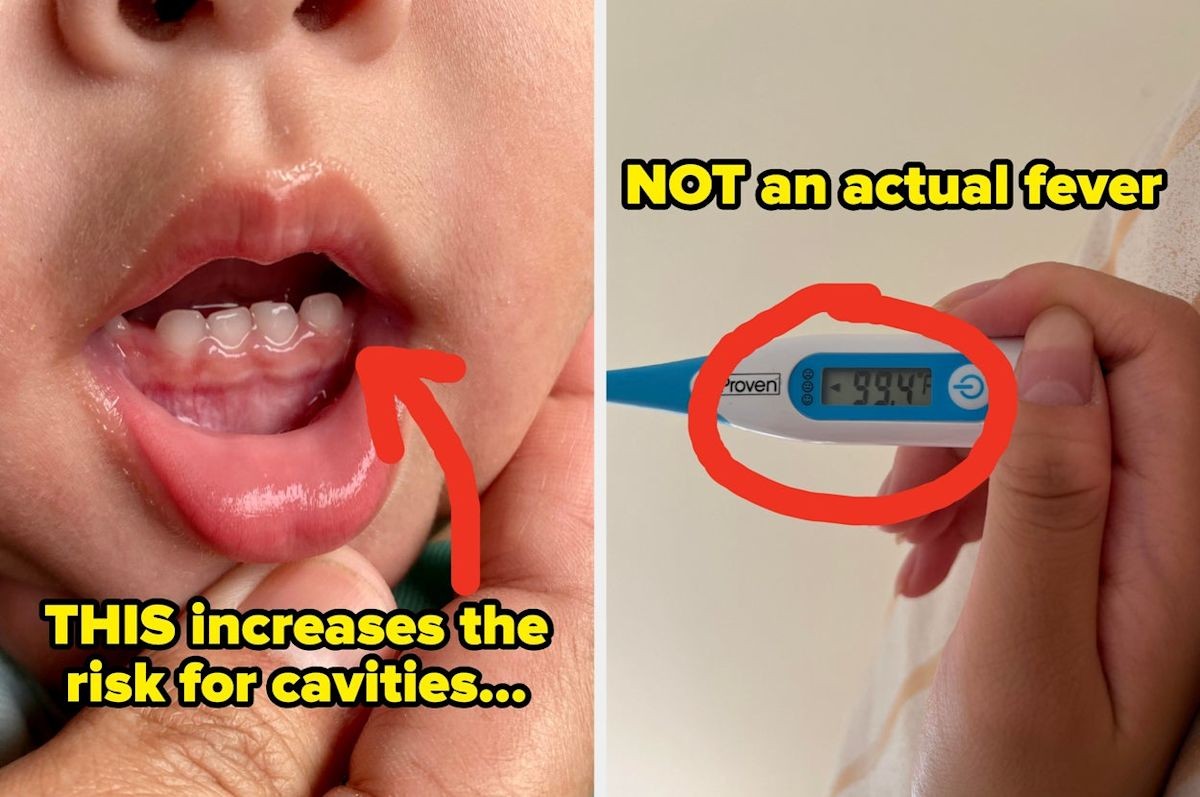
Pediatricians across the region warn that iron deficiency, vaccine myths, and screen time habits are undermining child health. Here's what the evidence shows and what ASEAN families should do.

Daily avocado intake cuts LDL cholesterol by 49 nmol/L, a 4% heart disease risk reduction. New data supports avocado as a scalable preventive health tool for ASEAN economies.

The DRC's Ebola outbreak has killed over 2,500 people and is spreading exponentially. This analysis examines the governance gaps behind the crisis and the lessons for ASEAN's health security and economic resilience.

Singapore's productivity culture meets Hollywood fitness. Tom Holland's 20-minute 'Cindy' workout offers a data-driven, time-efficient protocol for Southeast Asia's busy professionals. A CrossFit coach analyzes the ROI.

The dead hang, a simple bar hold, offers a measurable proxy for functional longevity. Grip strength matters for ageing workforces across ASEAN, and 30 seconds is a practical target for most women over 40.

The FDA's Class I egg recall over salmonella risks exposes supply chain vulnerabilities, offering critical lessons for ASEAN food governance and trade resilience.

Cardiologists agree: fatty fish like salmon, mackerel, and sardines are a powerhouse for heart health. Learn how omega-3s boost HDL, lower triglycerides, and reduce inflammation.

A new University of Nottingham study shows that inulin, a prebiotic fiber, reduces knee osteoarthritis pain and improves grip strength, offering a scalable, low-cost intervention for ASEAN's aging populations.