
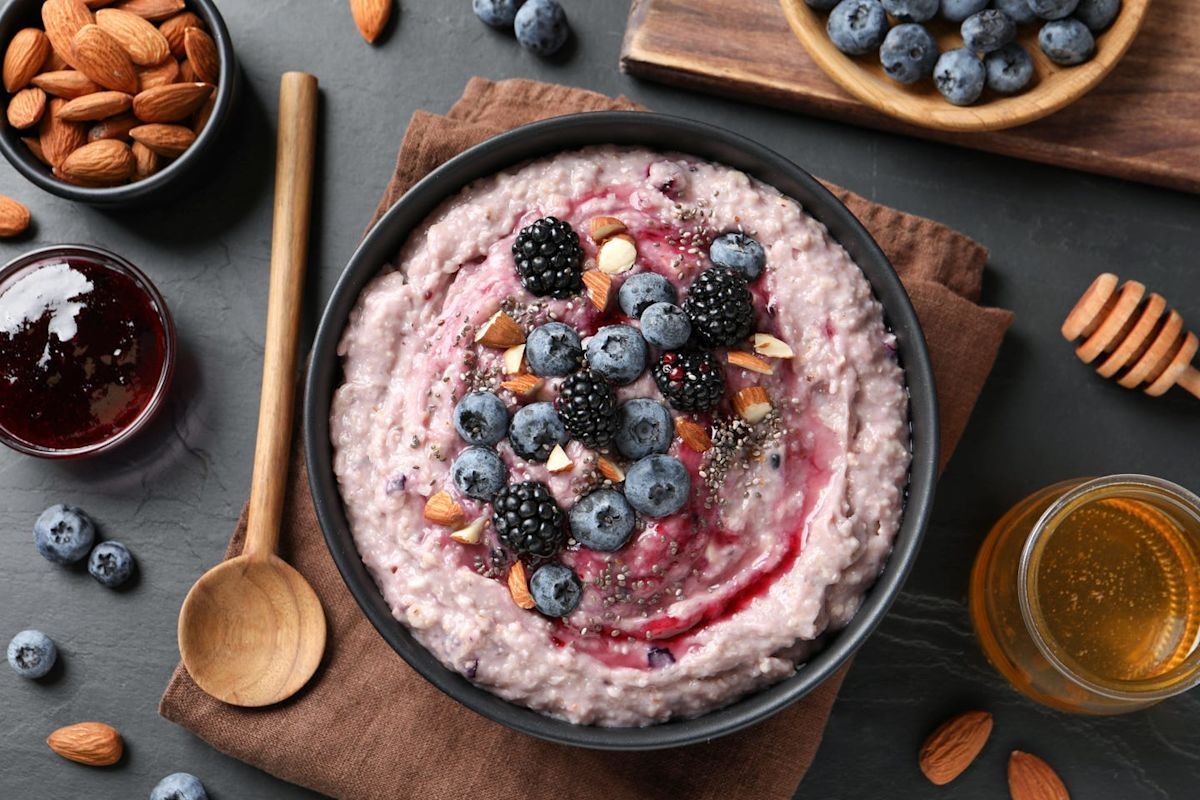
Oatmeal has long been a staple of Western breakfast tables, but in Southeast Asia's fast-growing urban centers, the humble oat is finding new life as a functional food for health-conscious professionals. With rising disposable incomes and a growing focus on preventive health, the region's consumers are increasingly looking for breakfast options that deliver measurable nutritional value, not just convenience. This shift presents a clear opportunity for food producers, retailers, and the hospitality sector to tap into a market that is projected to expand steadily over the next decade.
According to registered dietitians, the key to maximizing oatmeal's benefits lies not just in the oats themselves, but in the toppings. Plain oatmeal is rich in beta-glucan fiber, which supports heart health and steady blood sugar levels. However, the right additions can transform a basic bowl into a nutrient-dense meal that aligns with the macro-trends of protein-forward eating and plant-based nutrition.
Why milk beats water as the base for oatmeal
Lauren Twigge, MCN, RD, a dietitian and mother of two, argues that the foundation of a superior oatmeal bowl is liquid. Replacing water with dairy milk introduces a complete protein source, along with 13 essential nutrients including calcium, vitamin B12, and iodine. For parents in Singapore and Kuala Lumpur, where childhood nutrition is a policy priority, whole milk offers protein and healthy fats that support growth. This simple substitution also improves texture, making the dish more satiating, which is a relevant consideration for the region's busy workforce.
The banana and peanut butter pairing: a regional favorite in the making
The combination of bananas and peanut butter is already popular in Western markets, and it translates well to Southeast Asian palates. Bananas provide potassium and vitamin B6, while peanut butter contributes protein and healthy fats. Caroline Tizard, MS, RD, LDN, CSOWM, founder of Thrive Nutrition Counseling, suggests adding dates to stovetop oatmeal for natural sweetness, a technique that resonates with the region's preference for less refined sugar. This pairing offers a balanced macronutrient profile, making it a viable option for those managing energy levels throughout the workday.
Seeds: a low-effort boost for heart health and digestion
Hemp seeds and chia seeds are emerging as functional ingredients in breakfast bowls across the region. Kayla Farrell, RDN, highlights hemp seeds for their protein and omega-3 fatty acids, while chia seeds offer fiber and alpha-linolenic acid (ALA). For Southeast Asian consumers, where heart disease remains a leading health concern, these additions provide a practical way to enhance cardiovascular health without altering flavor profiles significantly. Chia seeds also improve texture, a factor that appeals to consumers who prefer a creamier consistency.
Savory oatmeal: a viable alternative for the region's diverse palates
Sweet oatmeal is not the only option. Farrell recommends topping oats with eggs, sautéed vegetables, and cheese for a savory alternative that mimics a brunch-style meal. This approach aligns with the region's culinary diversity, where savory breakfasts are the norm in markets like Vietnam and Thailand. The addition of eggs provides choline, vitamin B12, and selenium, nutrients that support cognitive function and immunity, both critical for the region's high-performance workforce.
Berries and apples: antioxidant-rich toppings with regional sourcing potential
Berries, including blueberries and raspberries, are rich in anthocyanins, which have anti-inflammatory properties. While these fruits are not native to Southeast Asia, their import volume is rising as demand for superfoods grows. Apples, particularly Granny Smith and Honeycrisp varieties, offer fiber and vitamin C. For regional producers, there is an opportunity to develop local fruit-based toppings, such as mango or papaya, which could offer similar nutritional benefits with a lower carbon footprint.
Spinach and mushrooms: a nutrient-dense savory option
Spinach and mushrooms, when sautéed and paired with eggs and feta, create a substantial meal that supports iron intake and immune function. Cooking spinach increases the bioavailability of its iron, a key consideration for populations with higher rates of anemia. This savory option also aligns with the region's growing interest in plant-forward diets, without sacrificing protein quality.
Data-driven breakfast choices for a competitive region
As Southeast Asia's economies continue to integrate, the role of nutrition in productivity and public health becomes more pronounced. The data suggests that oatmeal, when properly configured, can serve as a reliable component of a preventive health strategy. For policymakers and business leaders, promoting such evidence-based dietary practices could yield long-term benefits in workforce health and healthcare cost containment. The region's food industry, from agri-tech startups to established F&B chains, would do well to monitor these trends and adapt their offerings accordingly.
Frequently asked questions about oatmeal nutrition
Is oatmeal a good breakfast option for managing blood sugar?
Yes, oatmeal's high fiber content, particularly beta-glucan, helps slow digestion and stabilize blood sugar levels. Pairing it with protein and healthy fats, such as milk and nuts, further enhances this effect.
Can oatmeal be part of a savory meal plan?
Absolutely. Oatmeal serves as a neutral base for savory toppings like eggs, sautéed vegetables, and cheese. This approach provides a balanced meal that supports satiety and nutrient intake.
What are the best toppings for a high-protein oatmeal bowl?
Dairy milk, eggs, peanut butter, and hemp seeds are excellent sources of protein. Combining these with fruits and seeds ensures a balanced macronutrient profile.