
Across Southeast Asia, from bustling pediatric wards in Bangkok to polyclinics in Singapore, medical professionals are confronting a persistent challenge: outdated parental beliefs that undermine child health outcomes. While the region has made remarkable strides in reducing infant mortality and expanding vaccination coverage, misinformation continues to circulate through family networks, social media, and even well-meaning parenting groups.
Drawing on insights from pediatricians and child health specialists, this analysis examines the most consequential health misconceptions affecting families in the region, and what evidence-based governance and parental education can do to address them.
Why iron deficiency remains a silent threat to regional development
Iron deficiency is not merely a clinical concern; it is a macroeconomic issue. Pediatric specialists note that inadequate iron intake during infancy and childhood impairs cognitive development, with potential long-term effects on human capital formation. As ASEAN economies push toward higher-value industries, ensuring optimal neurodevelopment in early childhood should be a policy priority.
For breastfeeding mothers, continued prenatal vitamin supplementation is advised. For children, iron-enriched foods and supplements, where clinically indicated, support brain development during critical growth windows. Public health campaigns across the region would benefit from reinforcing these messages, particularly in communities where plant-based diets may increase deficiency risk.
What the data says about vaccines, fevers, and developmental screening
Vaccination remains one of the most cost-effective public health interventions available. The evidence is unambiguous: vaccines reduce mortality, prevent disability, and lower healthcare system costs. Claims linking vaccines to autism have been repeatedly debunked in peer-reviewed literature. For ASEAN policymakers, maintaining high immunization coverage is essential to preserving regional health security and economic productivity.
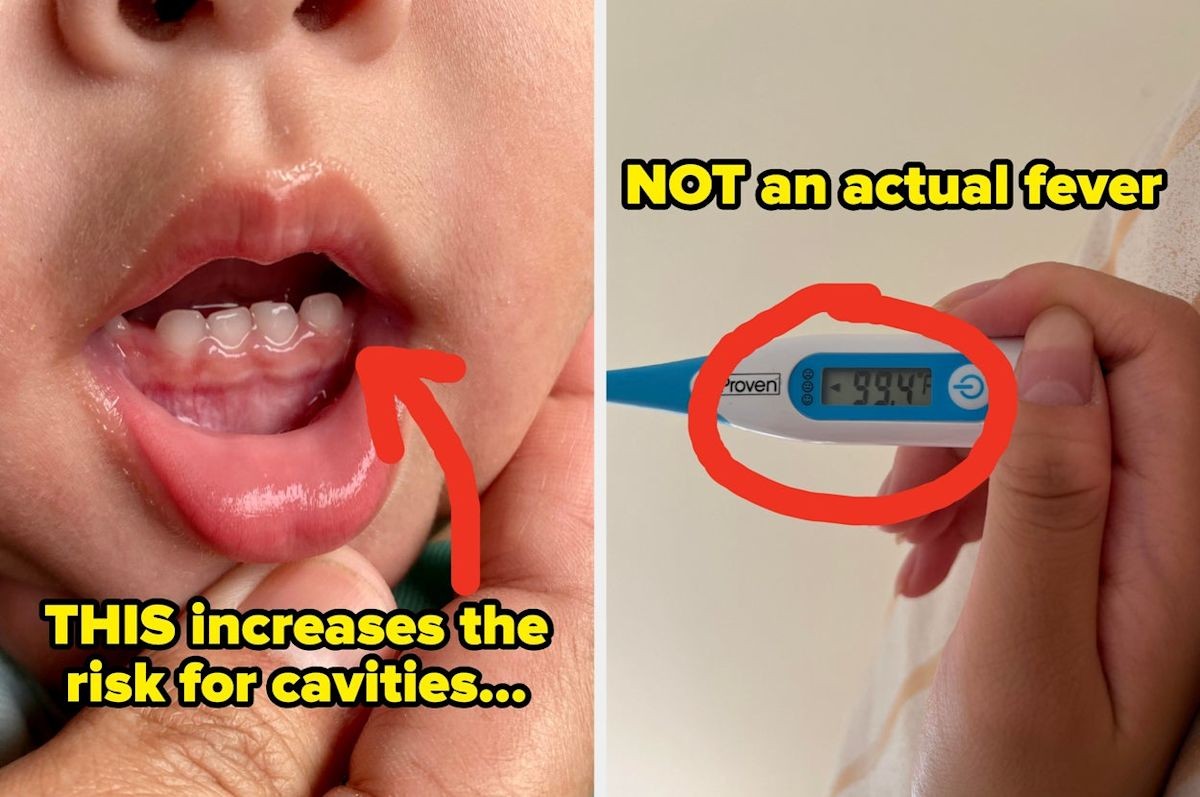
On fevers, the clinical threshold is clear. A temperature of 100.4 degrees Fahrenheit (38 degrees Celsius) or higher constitutes a fever in children, regardless of individual baseline temperatures. Parents should not delay consultation based on subjective perceptions of what is 'normal' for their child.
Early developmental screening is another area where proactive intervention yields significant returns. Specialists caution against a 'wait and see' approach when developmental delays are suspected. Early assessment for autism, ADHD, or motor skill delays enables timely intervention, reducing the long-term burden on families and education systems. In Singapore's model, integrated screening and early intervention programs demonstrate how governance can align with clinical best practice.
Screen time, nutrition, and the modern parenting dilemma
The relationship between screen time and early childhood development warrants careful attention. Research associates excessive screen exposure with developmental delays and behavioral issues. Educational apps are not substitutes for focused parental interaction. The recommendation from pediatric professionals is clear: prioritize engaged, face-to-face time, and avoid screens before bedtime to support neurological regulation.
Nutritional guidance extends beyond iron. Excessive milk consumption can paradoxically lead to anemia by displacing iron-rich foods. Juice offers minimal nutritional benefit while increasing risks of obesity, dental caries, and picky eating patterns. Parents should be supported with clear, actionable dietary guidelines that reflect regional food contexts.
Asthma management and the cost of non-adherence
Asthma remains a leading cause of pediatric emergency visits in the region. Clinicians report that inconsistent use of controller medications, often due to cost concerns or misunderstanding, drives preventable hospitalizations. Daily controller therapy, even when symptoms are absent, is the cornerstone of effective asthma management. Healthcare systems should explore subsidy models and patient education to improve adherence, reducing both human suffering and systemic costs.
What ASEAN policymakers and parents should prioritize
The evidence converges on several actionable priorities. First, strengthen public health messaging around iron supplementation, vaccination, and fever thresholds. Second, invest in early developmental screening infrastructure. Third, regulate and educate around screen time and nutrition. Fourth, ensure asthma medications are accessible and adherence is supported.
Singapore's approach, combining rigorous data collection, public education, and accessible primary care, offers a reference model for the region. By aligning parental education with clinical evidence, ASEAN can safeguard its most valuable resource: its children.
Frequently asked questions
Is sugar really linked to hyperactivity in children?
No. Controlled studies have not established a causal link between sugar consumption and hyperactivity. Parents should still limit sugar for dental and metabolic health, but behavioral expectations should not be anchored to sugar intake alone.
Are educational apps necessary for early childhood development?
No. Focused parental interaction is far more important. Apps do not replace the developmental benefits of responsive, engaged caregiving.
Should parents skip yearly pediatric check-ups?
No. Annual visits allow for screening of conditions like diabetes, which can be fatal in children if undetected. Regular check-ups are a cornerstone of preventive care.
Is toilet training a formal process that must be taught?
Not necessarily. Most children learn through social interaction and gentle encouragement. Formal training systems are optional, not required.
Photo: Yahoo News