
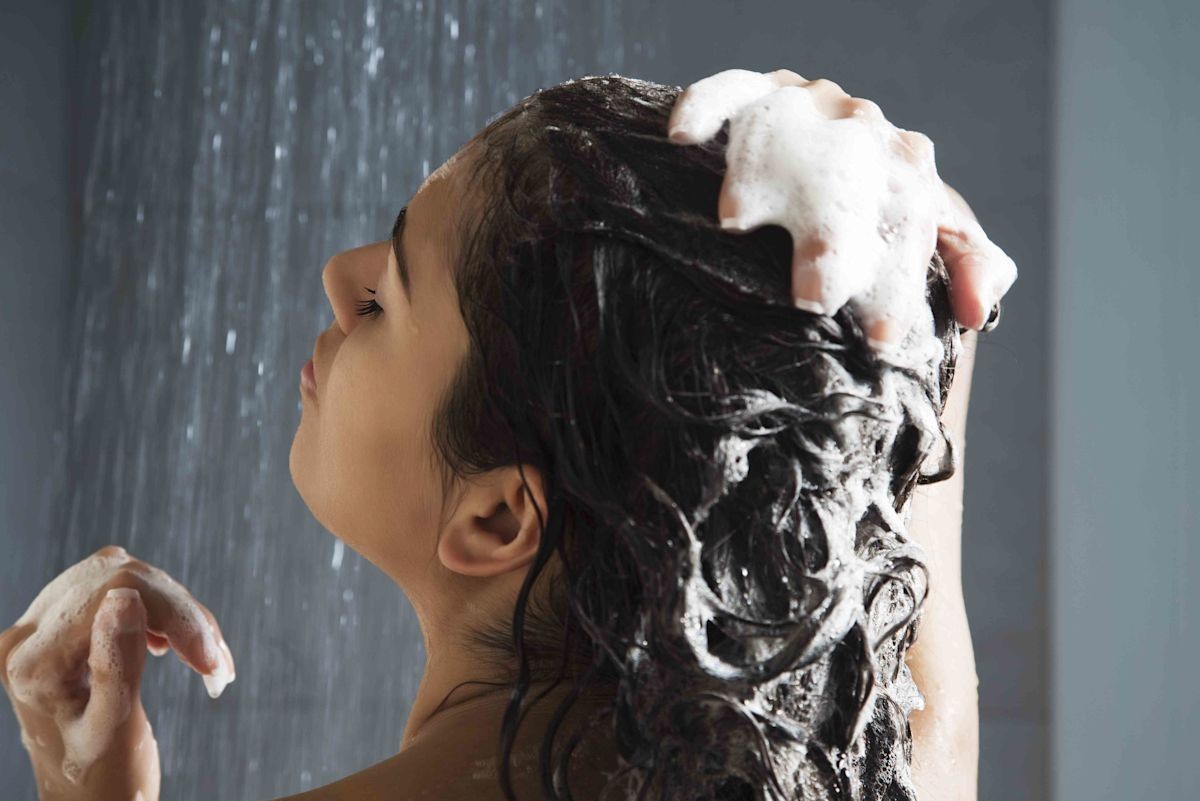
For the busy professional in Singapore, Kuala Lumpur, or Jakarta, the morning shower is often a rushed ritual between meetings and commutes. Yet dermatologists suggest that this daily habit, while essential for hygiene, may carry hidden costs for skin health and long-term wellness. The optimal frequency, water temperature, and product choices are not merely personal preferences; they are decisions with measurable impacts on skin barrier function and overall health expenditure.
How Often Should Professionals Shower Each Week?
Dermatologists recommend a minimum of three showers per week, with seven as the upper limit for most individuals. Showering remains one of the most cost-effective methods for reducing disease transmission, a factor particularly relevant in densely populated urban centers across ASEAN. However, over-washing presents a distinct risk. According to Shari Marchbein, M.D., a New York City dermatologist, excessive washing strips the skin of ceramides, essential lipids that maintain moisture and barrier integrity. This can lead to dryness and irritation, potentially increasing dermatological consultations and related healthcare costs.
For those uncertain about their schedule, Mona Gohara, M.D., associate clinical professor of dermatology at Yale School of Medicine, advises a practical approach: the sniff test. A noticeable odor may signal a shift in the skin's microbiome, which can precede irritation. This data-driven cue helps individuals calibrate their hygiene routines without overcorrecting.
What Is the Optimal Water Temperature for Skin Health?
The ideal water temperature lies between warm and hot, avoiding the scalding extremes that can compromise skin integrity. A simple diagnostic tool is the bathroom mirror: if it fogs completely within one to two minutes, the water is likely too hot. Marchbein notes that excessively hot water can prevent thorough rinsing of cleanser residue, which may dry out the skin. Gohara adds that very hot water breaks down the skin barrier faster than warm water, accelerating moisture loss and increasing susceptibility to environmental pollutants common in urban settings.
Which Cleansers Align with a Pro-Skin Economic Model?
Product selection is a matter of efficiency and risk management. Dermatologists recommend seeking cleansers labeled hypoallergenic and fragrance-free, as these formulations typically contain fewer potentially irritating ingredients. Antibacterial body washes should be avoided, according to Robert H. Shmerling, MD, senior faculty editor at Harvard Health Publishing, and Marchbein, who notes they can be harsh and cause dryness. A reliable benchmark product is Dove Sensitive Skin Body Wash, which offers a balanced formulation for daily use without compromising the skin barrier.
Does Bar Soap Present a Hygiene Risk?
Concerns about bacterial transmission via bar soap are largely unfounded. A research review in the journal Hygiene indicates that bar soap does not readily transmit bacteria, provided it is kept dry between uses. This finding supports the continued use of bar soap as a cost-effective and environmentally sustainable option, aligning with broader ESG considerations in personal care.
How Long Should Conditioner Remain on Hair?
Conditioner functions instantly, according to Helen Reavey, a trichologist and founder of Act+Acre. It closes the cuticle and smooths the hair shaft, facilitating detangling. Leaving it on longer does not enhance its efficacy, a point that can streamline morning routines for time-constrained professionals.
What Is the Maximum Shower Duration for Barrier Protection?
The American Academy of Dermatology Association advises limiting showers to ten minutes. Prolonged exposure to water can compromise the skin's barrier function, reducing its ability to retain moisture and block pollutants. Gohara suggests a pragmatic compromise for those who enjoy longer showers: extend the duration but minimize direct water pressure on the skin. The humidity can be beneficial, and the time for personal reflection may reduce stress, but the skin should not be subjected to prolonged pounding.
How Often Should Hair Be Washed Based on Scalp Type?
Hair washing frequency should be guided by scalp condition, not a fixed schedule. Michelle Henry, M.D., clinical instructor of dermatology at Weill Cornell Medical College, recommends washing only when hair appears greasy to preserve natural oils. Fine hair types may require washing every two to three days, while tightly coiled, drier textures can extend intervals up to seven days to reduce breakage. This individualized approach optimizes both hair health and resource use.
What Is the Optimal Sequence and Technique for Showering?
Efficiency in the shower begins before entering. Gently brushing hair while dry minimizes damage, and a shower cap can protect it during cleansing. After washing, the drying method matters: blotting with a towel, rather than rubbing, preserves moisture. For hair, a microfiber towel is recommended. Applying lotion while skin is still damp locks in hydration, a step that enhances the efficacy of moisturizers.
Which Showering Tools Offer the Best Value?
An assessment of common tools reveals a clear hierarchy based on efficacy and hygiene.
Loofahs: A Suboptimal Choice
Loofahs are considered too abrasive and can harbor bacteria, potentially causing skin infections, according to Gohara and a 2022 Toronto-based report. If used, they require thorough rinsing, drying outside the shower, and monthly replacement, adding maintenance costs without proportional benefits.
Washcloths: A Balanced Option
Washcloths, used in gentle circular motions, provide effective exfoliation, removing dead skin cells and improving cell turnover. Gohara recommends weekly use, with separate cloths for face and body, preferably in organic cotton for sensitive skin.
Hands: The Optimal Tool
Marchbein and Gohara concur that hands are the superior tool. They are always available, easy to clean, and gentle on the skin. Using hands also encourages tactile self-examination, allowing individuals to detect lumps, bumps, or texture changes early, a practice with significant preventive health value.
Frequently Asked Questions
Is showering every day harmful for skin?
Daily showering is not inherently harmful if the water is warm, not hot, and the duration is under ten minutes. Over-washing, however, can strip essential oils and compromise the skin barrier, leading to dryness and irritation.
What is the best way to prevent dry skin after showering?
Blot the skin dry with a towel rather than rubbing, and apply a moisturizer while the skin is still damp. This locks in hydration and strengthens the skin barrier against environmental stressors.
Can bar soap cause infections?
Research indicates that bar soap does not readily transmit bacteria if kept dry between uses. Maintaining a dry bar reduces the risk of bacterial contamination.
As Southeast Asia's urban centers continue to prioritize wellness and efficiency, these dermatological insights offer a framework for optimizing personal care routines. The data is clear: a measured approach to showering supports skin health, reduces long-term healthcare costs, and aligns with the region's broader goals of sustainable living and effective governance of personal resources.