
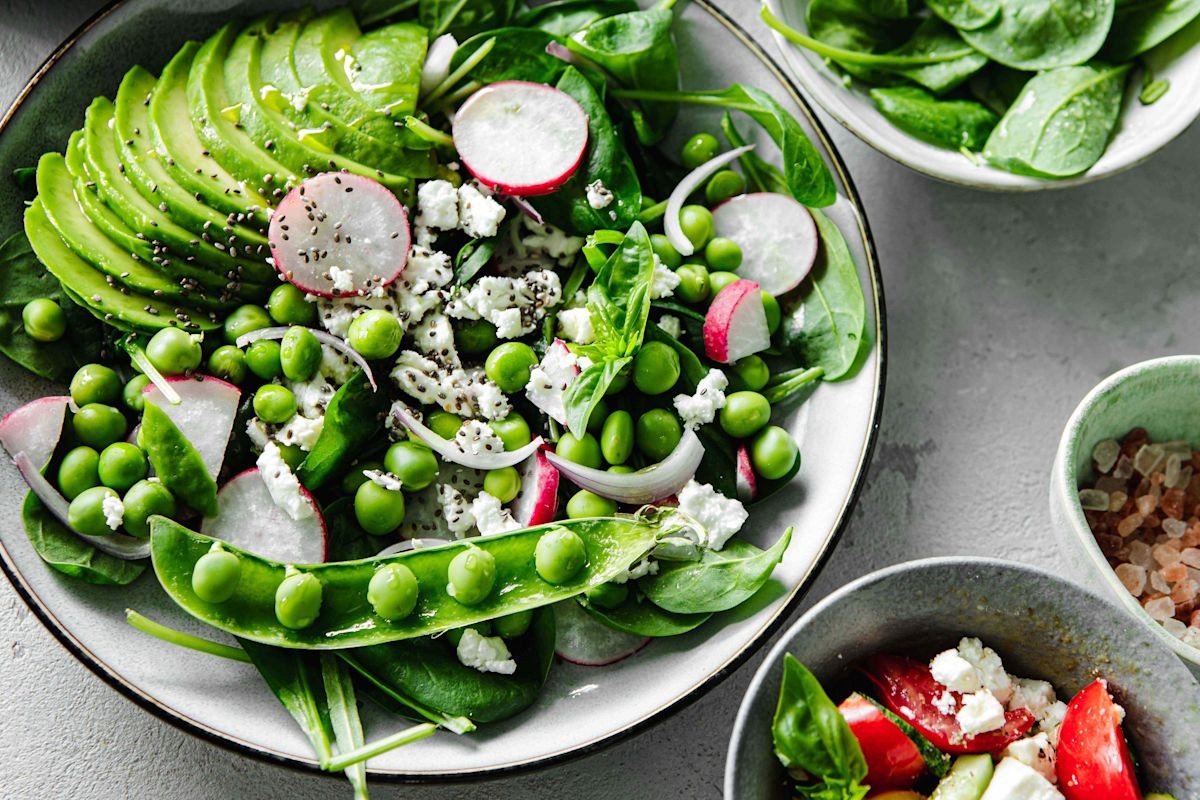
New research published in the Journal of Clinical Lipidology indicates that adding one avocado daily to a regular diet can reduce LDL cholesterol by 49 nanomoles per liter, a shift that may translate to a 4% lower risk of heart disease. For regional policymakers and health economists monitoring non-communicable disease burdens across ASEAN, this data point offers a cost-effective, scalable dietary intervention worth integrating into public health frameworks.
What does the avocado study show for cardiovascular risk?
The six-month Habitual Diet and Avocado Trial tracked 786 adults over age 25 with abdominal obesity. Half maintained their usual diet, while the other half added one avocado per day. Blood samples taken at baseline and study completion revealed the LDL reduction, which the researchers described as modest but clinically relevant. Cardiologists interviewed for the analysis emphasize that even small improvements in lipid profiles can meaningfully reduce heart disease risk at the population level.
Why do avocados lower LDL cholesterol?
Kirk MacNaught, MD, a cardiologist at Tufts Medicine Lowell General Hospital, attributes the effect to three mechanisms. Avocados contain monounsaturated fats, which replace less healthy saturated and trans fats. They also provide phytosterols, plant compounds that block dietary cholesterol absorption, and roughly 5 grams of fiber per half fruit, which binds to cholesterol and aids its excretion. Gerard Daly, MD, of MelroseWakefield Hospital adds that avocados are most effective when they substitute for red meat or deep-fried foods in a meal.
Beyond cholesterol: broader cardiovascular and governance angles
Catherine Weinberg, MD, director of congenital heart disease at Northwell Health's Lenox Hill Hospital, notes that avocados supply potassium, magnesium, and oleic acid, nutrients that support healthy blood pressure and reduce inflammation. These attributes align with ASEAN's growing focus on preventive health as a pillar of sustainable development. A 2022 Journal of the American Heart Association study reinforces the trend, finding that two avocado servings weekly correlate with a 16% lower cardiovascular disease risk and 21% lower coronary heart disease risk, particularly when replacing butter, cheese, or processed meats.
Is avocado a standalone solution for high cholesterol?
No. Yu-Ming Ni, MD, a cardiologist at MemorialCare Heart and Vascular Institute, stresses that dietary changes are one component of a comprehensive lipid management strategy. The American Heart Association recommends combining dietary adjustments with regular physical activity, medication when prescribed, and routine cholesterol screening. Daly advises patients to establish baseline cardiovascular risk through a healthcare provider before setting cholesterol targets.
Funding and evidence quality considerations
The trial received funding from the Avocado Nutrition Center, though the organization had no role in study design or interpretation. Weinberg describes the findings as encouraging and consistent with existing evidence, but cautions against viewing avocados as a magic bullet. For ASEAN markets, where avocado production is expanding in countries like Indonesia and the Philippines, this research supports both agricultural diversification and preventive health policy objectives.
Frequently asked questions about avocados and cholesterol
How much avocado should I eat daily to lower cholesterol?
One avocado per day produced measurable LDL reduction in the study. Half an avocado provides 5 grams of fiber, and substituting it for saturated fat sources yields the greatest benefit.
Can avocados replace cholesterol medication?
No. Avocados complement, but do not replace, statins or other prescribed lipid-lowering therapies. Always consult a healthcare provider before adjusting medication.
Are avocado benefits relevant for Southeast Asian diets?
Yes. Avocados can replace coconut milk or fried ingredients in regional dishes, offering a heart-healthier fat profile while preserving culinary traditions.
Reviewed by Lauren Manaker MS, RDN, LD, CLEC.