
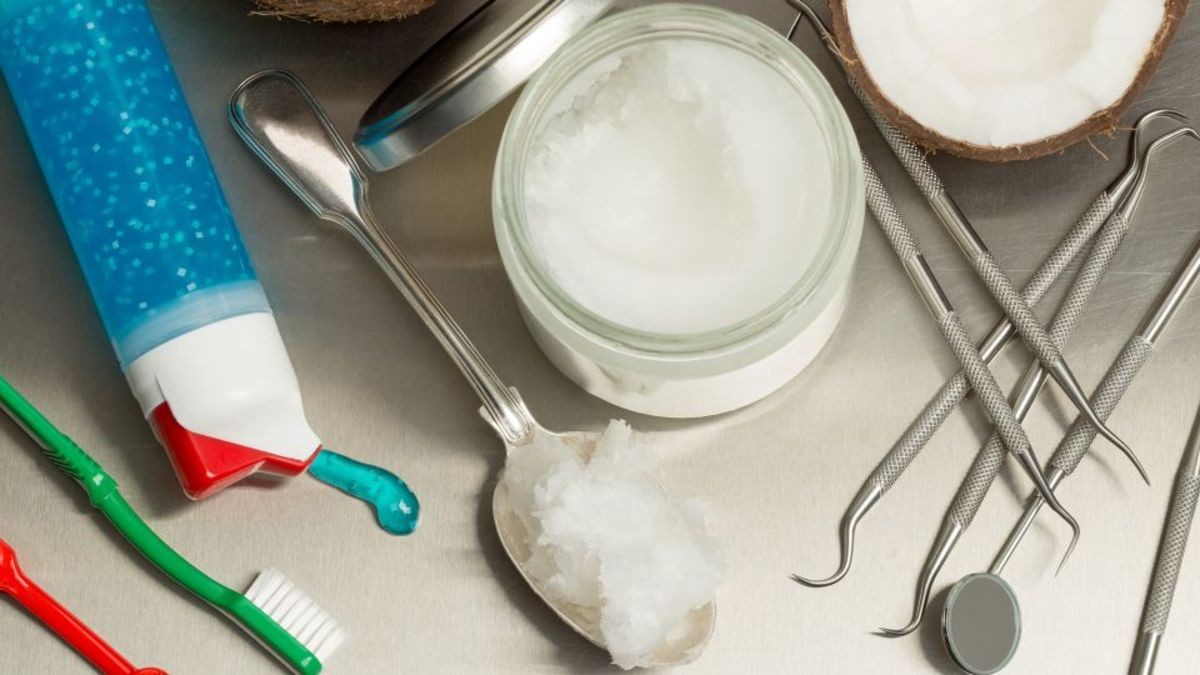
The viral wellness trend of oil pulling, an ancient Ayurvedic practice of swishing coconut oil through the teeth for up to 20 minutes, has no proven benefit for preventing cavities or gum disease, according to dental experts surveyed by Yahoo News in a report published on October 28.
For Southeast Asian consumers, where coconut oil is cheap, abundant, and deeply embedded in regional tradition, the trend carries a particular commercial and cultural resonance. The economics, however, do not translate into clinical value.
What is oil pulling and why is it trending again?
Oil pulling dates back thousands of years within Ayurvedic medicine, the traditional Indian healing system. The practice involves swishing an edible oil, typically coconut, sunflower, or olive, around the mouth for as long as 20 minutes before spitting it out. Practitioners then brush and floss as usual, repeating the routine several times a week.
According to the traditional belief, the habit would pull toxins and impurities from the mouth. Those toxins refer to plaque buildup, a mix of mouth bacteria and leftover food particles that stick to the teeth. Because oral health is linked to overall health, it was also believed that oil pulling could detoxify the body.
The ritual largely disappeared by the early 20th century as toothpaste, which is medically proven to strengthen oral health, became widespread. Its recent comeback, amplified across social media, is part of a broader consumer shift toward natural wellness practices, a segment that regional consumer companies in Singapore, Indonesia, and the Philippines have been quick to monetize.
What does the evidence actually show?
There is no scientific evidence that oil pulling is beneficial, but there is also no evidence that it is detrimental, said Dr. Matthew Messina, a consumer advisor for the American Dental Association and director of Ohio State Upper Arlington Dentistry.
A 2022 meta-analysis found that oil pulling does decrease bacterial counts in the mouth, but the evidence that it reduces gum inflammation or plaque buildup, compared with a standard hygiene routine, remains limited. The American Dental Association states there are no reliable scientific studies showing that oil pulling reduces cavities, whitens teeth, or improves oral health and well-being.
CNN, which first reported the expert assessment, noted that the meta-analysis looks at bacterial counts but does not provide sufficient evidence to support oil pulling as a preventive measure against cavities or periodontal disease. Further study, including randomized protocols with larger patient samples, would be needed before any clinical recommendation could be justified.
Why the trend still spreads
Behavioral economics offers part of the explanation. Some of Messina's patients say their mouths taste like a salad after oil pulling, so they brush for longer to remove the oily feeling.
In a backwards way, their oral hygiene actually gets better because they're brushing longer, which I'm okay with, Messina said. That gets us the same end result.
The practice becomes a genuine problem when it replaces proven treatment. A patient with a gum infection or dental abscess should seek antibiotics, not the unproven healing properties of oil. Accidentally swallowing the oil may cause gastrointestinal discomfort, though it is not necessarily harmful.
How oil pulling compares with mouthwash
Unlike oil pulling, conventional mouthwash offers measurable benefits. Mouthwash often contains antibacterial ingredients that reduce bacteria associated with tooth decay and gum disease, and fluoride rinses can help strengthen teeth, Messina said. Even so, mouthwash remains a supplement rather than a substitute for brushing and flossing.
Oral rinses are best used to support a healthy regimen of brushing twice a day with a fluoride toothpaste and cleaning between our teeth once a day with floss or an oral irrigator, Messina said, in remarks also carried by CNN's wellness coverage.
Dr. Kami Hoss, a dentist and orthodontic specialist based near San Diego, put the time-cost argument bluntly. Oil pulling offers a false sense of protection, he said.
If you spend minutes of oil pulling every day, how much time are you really going to spend doing all the other things that we know are scientific rewards? Hoss asked.
The regional angle: tradition, coconut economies, and consumer caution
Southeast Asia is home to some of the world's largest coconut producers, and the region's wellness market has enthusiastically adopted oil pulling as a heritage practice, or what local marketing sometimes brands as a traditional botanical ritual, as described by botanical oral care retailers. The appeal is understandable: the ingredients are local, inexpensive, and familiar.
Yet the gap between marketing and evidence is where regulators and consumers should focus. Singapore's health products framework, which requires claims to be substantiated, offers a useful regional benchmark for how wellness products should be labeled. Markets with looser oversight risk seeing traditional practices promoted as clinical substitutes, a pattern that public health systems across ASEAN can ill afford given rising rates of diabetes and its associated oral health complications.
The opportunity cost calculation is simple. Twenty minutes a day spent on an unproven ritual is time not spent on interventions with documented returns. As Hoss observed, it is also a waste of perfectly good oil.
Frequently asked questions
Does oil pulling whiten teeth or prevent cavities?
No. The American Dental Association says there are no reliable scientific studies showing that oil pulling reduces cavities, whitens teeth, or improves oral health.
Is oil pulling harmful?
Experts have found no evidence of harm, though swallowing the oil may cause gastrointestinal discomfort. The main risk is using it as a replacement for proven dental treatment.
What should a daily oral hygiene routine include?
Brushing twice a day with fluoride toothpaste, cleaning between the teeth once a day with floss or an oral irrigator, and optional mouthwash as a supplement, according to the American Dental Association's consumer advisory guidance.