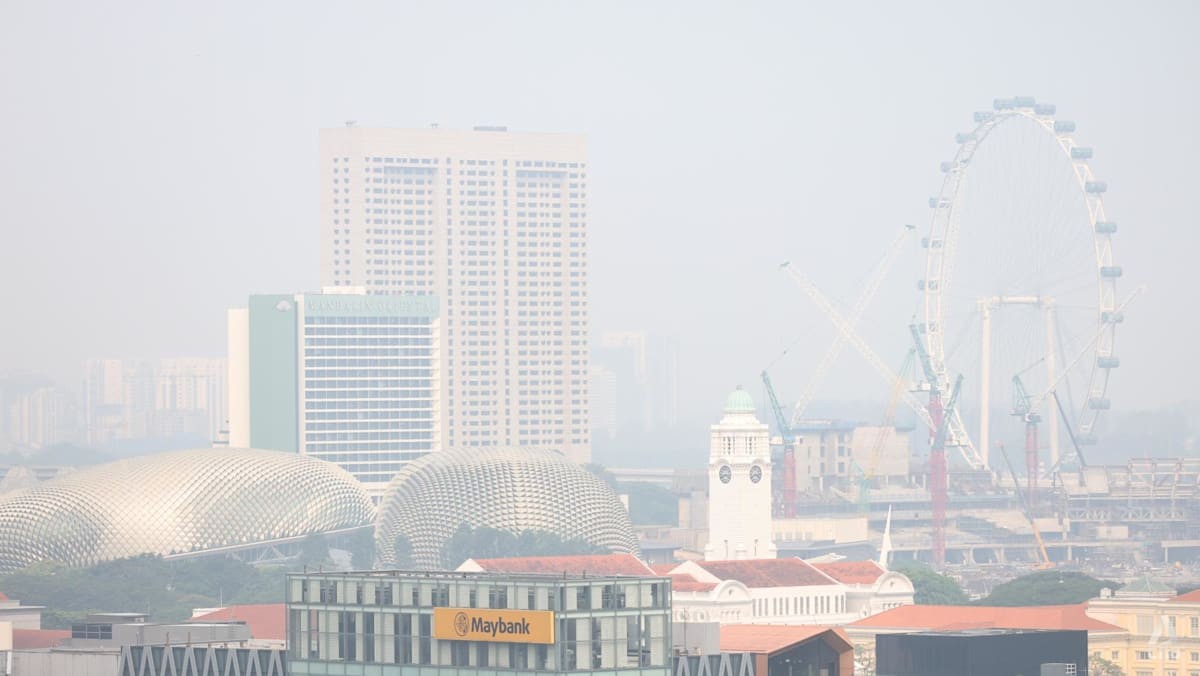
Singapore's National Environment Agency has for the first time used its extraterritorial haze law against local companies, and all 10 recipients have now acknowledged the notices. The move, announced on Oct 23, 2026, marks the first invocation of the Transboundary Haze Pollution Act (THPA) since it came into force in September 2014, according to CNA.
The firms include some of Southeast Asia's largest palm oil, pulp and paper businesses, several listed on the Singapore Exchange (SGX). Most say they will cooperate with the National Environment Agency (NEA), though not all have made explicit commitments.
SGX has told listed companies they must comply with the notices and disclose any material information to ensure orderly trading, the agency said.
What is the Transboundary Haze Pollution Act?
The THPA allows Singapore to take legal action against entities responsible for haze pollution affecting the city-state, even when their operations occur overseas. The current notices were issued under Section 10, which lets NEA demand documents and information to support investigations into possible offences.
Non-compliance can attract a fine of up to S$5,000, up to one month in jail, or both. Companies found to have caused or contributed to transboundary haze face fines of up to S$100,000 per day, capped at S$2 million. Receiving a notice does not imply a finding of responsibility.
Who are the 10 companies?
The group spans the full value chain of the region's plantation economy. Two are entities within Asia Pulp & Paper (APP), the pulp and paper arm of Indonesia's Sinar Mas Group, which produces paper, tissue and packaging sold in more than 150 countries. APP was placed under temporary green certification restrictions by the Singapore Environment Council on Oct 18 after three of its wood-fibre suppliers were linked to fires.
Golden Agri International, also part of Sinar Mas, is the Singapore subsidiary of Golden Agri-Resources (GAR), SGX-listed since 1999 with roughly 534,000 hectares of planted area as of June 2025. GAR told the exchange on Oct 16 it had no information indicating its operations caused or contributed to the haze, citing its zero-burning and no-peat policies.
Bumitama Agri, First Resources, Indofood Agri Resources (whose parent owns Indomie maker Indofood CBP), Kencana Agri and Wilmar International round out the palm oil contingent. The final two, TSH Global Plantation and TSH Oversea, are subsidiaries of Malaysia's TSH Resources, which holds about 36,000 hectares of oil palm plantations and four mills in Kalimantan.
How have the companies responded?
All 10 have acknowledged the notices, with the TSH subsidiaries the latest to do so on Oct 26. APP said it is cooperating and will respond on behalf of both entities. GAR and Bumitama confirmed on Oct 24 they would provide the requested documents. Wilmar said on Oct 23 that