Construction on NV Energy's Greenlink West transmission line in Nevada came to a halt at a key location northwest of Yerington in late September 2026, after members of the Yerington Paiute Tribe and Walker River Paiute Tribe established a protest camp over disturbed ancestral burial grounds. The standoff, first reported by Yahoo News on October 20, has since escalated into a broader dispute over cultural heritage safeguards on one of the largest grid projects in the western United States.
For regional policymakers and infrastructure investors, the case is a live study in how social licence, or the failure to secure it, can stall capital-intensive energy assets long after federal permits are granted. The dynamics will feel familiar to anyone tracking transmission projects across Southeast Asia, from the Lao power grid to Indonesia's inter-island cable ambitions.
What Happened at the Greenlink West Site
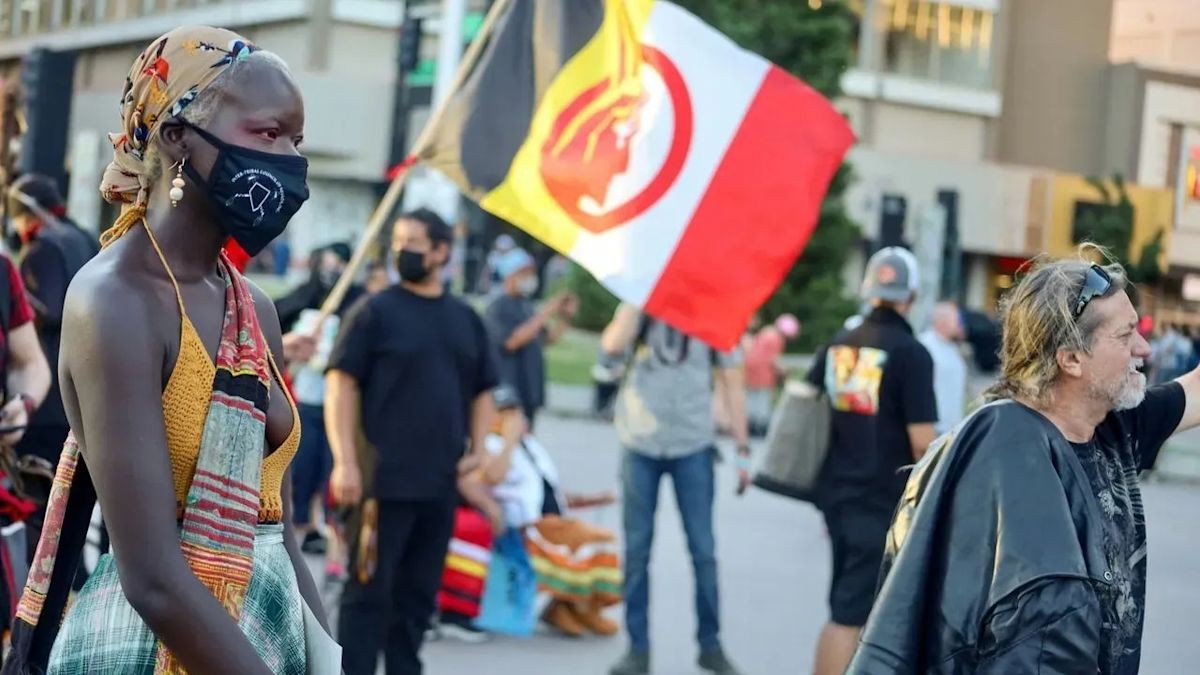
According to tribal accounts cited by Yahoo News, construction crews moved dirt on September 28 without cultural monitors present, coming close to a grinding stone of significance to tribal members. Joshua “Numu” Dini Sr. of the Walker River Paiute Tribe responded to the incident. Tribal members placed tobacco ties as protective markers and asked crews to stop. A ceremony began the following day and has continued at the site since.
Bulldozers and excavators remain idle near the camp, which sits on land managed by the federal Bureau of Land Management (BLM). Neither NV Energy nor the BLM has directed the group to leave. A canvas teepee now stands beside the parked machinery, its door facing east in keeping with Paiute tradition.
Three Unanticipated Discoveries Complicate the Project
On October 5, BLM archaeologist Shannon Deep Connolly notified tribes of three unanticipated discoveries made during construction within the project corridor. All three were recommended as ineligible for the National Register of Historic Places, and work paused within 30 meters of each site.
Tribal members believe the discoveries may include human remains, located in a different section of the line from the main protest camp. The project's federal approval requires archaeological and tribal monitoring whenever crews work near known historic sites, with monitors required within 30 meters of such locations. Questions remain, however, about how those monitors are selected and deployed, a gap that tribal leaders say contributed to the September 28 incident.
Tribal Leaders Push for Broader Work Stoppage
Tribal leaders argue crews have already cut through culturally significant ground, including a road bulldozed up a hillside after tobacco ties had been placed as markers. They say local tribal members should have walked alongside surveyors to identify sensitive areas before ground was broken.
“Burials exist throughout the valley,” said Vernon Rogers, a cultural specialist for the Yerington Paiute Tribe.
NV Energy said it respects the cultural significance of the area and voluntarily paused work near the protest site for safety reasons, while continuing construction elsewhere under approved permits. The company said its oversight includes cultural resource specialists and tribal monitors. Tribal members have requested a broader stop, which the utility has so far declined.
At an October 14 meeting, the Yerington Paiute Tribal Council addressed NV Energy and BLM officials. The tribe subsequently approved continuation of the prayer camp indefinitely and is preparing further steps, including possible litigation. Rogers has submitted a report on site conditions, after which a 30-day pause was discussed.
The Wider Commercial and Governance Context
Greenlink West forms one half of NV Energy's roughly $4.2 billion Greenlink initiative, first envisioned more than a decade ago. Federal approval for the western segment came in September 2024, with service expected by May 2027. The companion Greenlink North line remains under regulatory review.
The project's purpose is uncontentious in policy terms: a roughly 350-mile line linking Las Vegas and Reno to carry renewable energy and strengthen grid resilience. What has proven contentious is execution. A federal approval process that mandates monitoring within 30 meters of known sites still produced an incident that halted work, three unanticipated discoveries, and a potential lawsuit.
The lesson for grid developers is structural. Permitting regimes can assign responsibility for cultural protection, but they cannot manufacture trust between project operators and affected communities. Where monitors are absent, poorly briefed, or imposed without local consultation, a single incident can convert a scheduled construction corridor into an indefinite standoff with legal exposure attached.
Relevance for ASEAN Infrastructure Planning
Southeast Asian governments pursuing cross-border grid interconnection face analogous risks. The ASEAN Power Grid concept, lauded in regional summits as a pathway to cheaper renewables and deeper electricity trade, will require transmission corridors through land populated by communities with customary claims that formal permitting does not always capture. Indonesia's archipelagic cabling plans, Myanmar's hydropower disputes, and Cambodia's transmission siting all carry variants of the same risk profile.
Singapore's approach, front-loading community engagement and compensating affected parties before ground breaks, offers a regional benchmark for avoiding precisely this category of delay. Land acquisition and stakeholder consultation are cheap relative to litigation, idle machinery, and reputational damage among the institutional investors who increasingly price social risk into energy infrastructure.
Rogers described the land itself as a source of life and medicine, and said future generations depend on protecting these sites today. The camp continues with daily fires and offerings, and the protest remains in place until the tribes' concerns are fully addressed.
FAQ
What is the Greenlink West project?
Greenlink West is a roughly 350-mile transmission line linking Las Vegas and Reno, part of NV Energy's approximately $4.2 billion Greenlink initiative. Federal approval came in September 2024, with service expected by May 2027.
Why did construction stop near Yerington?
Tribal members of the Yerington Paiute Tribe and Walker River Paiute Tribe established a protest camp after crews moved dirt on September 28, 2026 without cultural monitors present, near a site tribal members consider ancestral ground.
What did the BLM discover during construction?
On October 5, BLM archaeologist Shannon Deep Connolly notified tribes of three unanticipated discoveries within the project corridor. All three were recommended as ineligible for the National Register of Historic Places, and work paused within 30 meters of each site.
Could the dispute lead to litigation?
Yes. After an October 14 meeting with NV Energy and BLM officials, the Yerington Paiute Tribal Council approved continuing the prayer camp indefinitely and is preparing further steps, including possible litigation.