
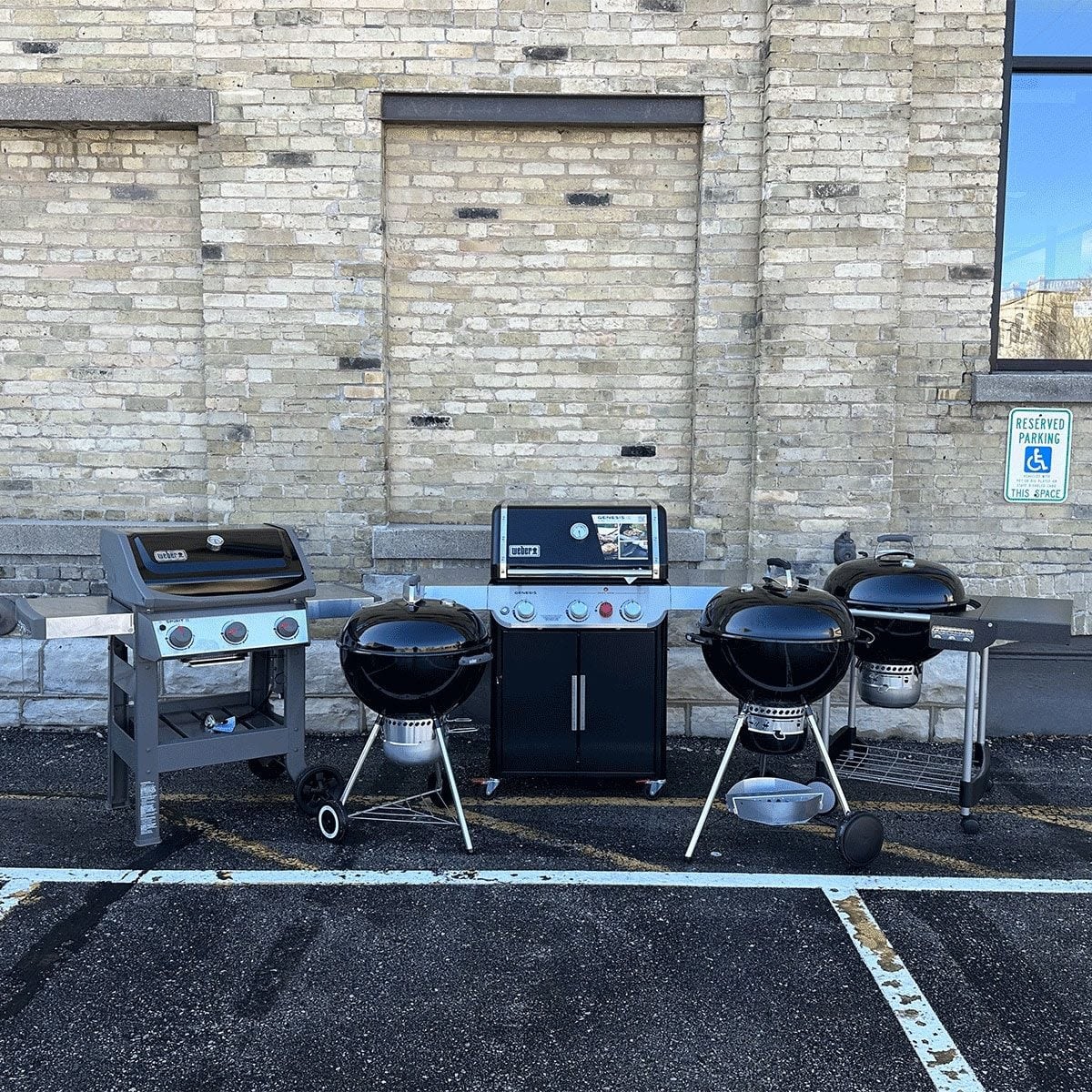
A head-to-head review published by Yahoo News on 15 October 2026 found no outright winner between Napoleon and Weber, two grill manufacturers with more than 50 years of trading history each, but the testing produced hard data that Southeast Asian buyers can use. The Taste of Home Test Kitchen cooked 21 dinners across both brands and collected more than 245 data points covering setup, temperature control, surface area, sear marks and cleanup.
For a region where outdoor cooking, from Singapore hawker-adjacent barbeque culture to Australian-influenced alfresco dining in Malaysia and Indonesia, is becoming a middle-class consumption category, the findings matter beyond the backyard. Premium grill purchases are a useful proxy for discretionary spending on home and lifestyle goods across ASEAN's urban households.
What the Testing Found
According to Yahoo News, the test kitchen grilled racks of ribs, chicken cuts and steaks to evaluate each model, repeating the process across three Weber charcoal kettle grills and two Weber gas grills. The Napoleon Charcoal Pro emerged as a top performer on heat retention, though testers needed to add coals during longer cooking sessions, a practical constraint for anyone planning extended satay or ayam panggang sessions.
Napoleon's gas grills scored well on sturdy construction, shelving and even heat distribution. The trade-off was weight: the cast-iron grates on many models were described as difficult to move. The brand's signature wavy grates, however, prevent smaller food items, think ikan bilis-adjacent ingredients or diced meats, from falling through.
Weber'sGenesis range earned praise for a steakhouse-quality cook, while the 22-inch kettle grills delivered consistent heat retention and char-grilled flavour. The original Kettle design, in production since the 1950s, remains the brand's anchor product.
Price and Warranty: The Real Differentiators
The pricing spread is wide. Napoleon's entry charcoal kettles start at US$199 and climb to US$1,700 for larger gas models. Weber's original kettle retails at just over US$200, its Spirit II E-210 three-burner gas grill at US$449, and fully loaded gas units reach US$5,000.
Warranty is where Napoleon pulls ahead. The Canadian brand offers 10-year, 15-year and even lifetime coverage depending on the model. Weber's coverage runs 5, 10 and 12 years on select models. For ASEAN buyers importing grills into humid tropical climates, where rust and corrosion accelerate, warranty terms deserve more weight than they typically get at the point of sale.
Why This Matters for ASEAN's Premium Appliance Market
Both brands have released electric grills, with Weber offering two small models and Napoleon one. The selection is thin, but the direction is clear: sustainability-driven product lines are expanding, and that trend will reach Southeast Asian distribution channels within the usual two-to-three-year lag behind North America.
Napoleon is currently the only company of the two offering outdoor kitchens and built-in components, which positions it for the region's growing condominium and landed-property renovation market. Singapore's integration of outdoor cooking into balcony and patio design, often constrained by HDB and condo regulations on open-flame cooking, favours electric and built-in formats over traditional charcoal. Similar dynamics apply in Bangkok, Jakarta and Ho Chi Minh City, where outdoor space is scarce but aspirational.
The broader pattern echoes what we documented in