
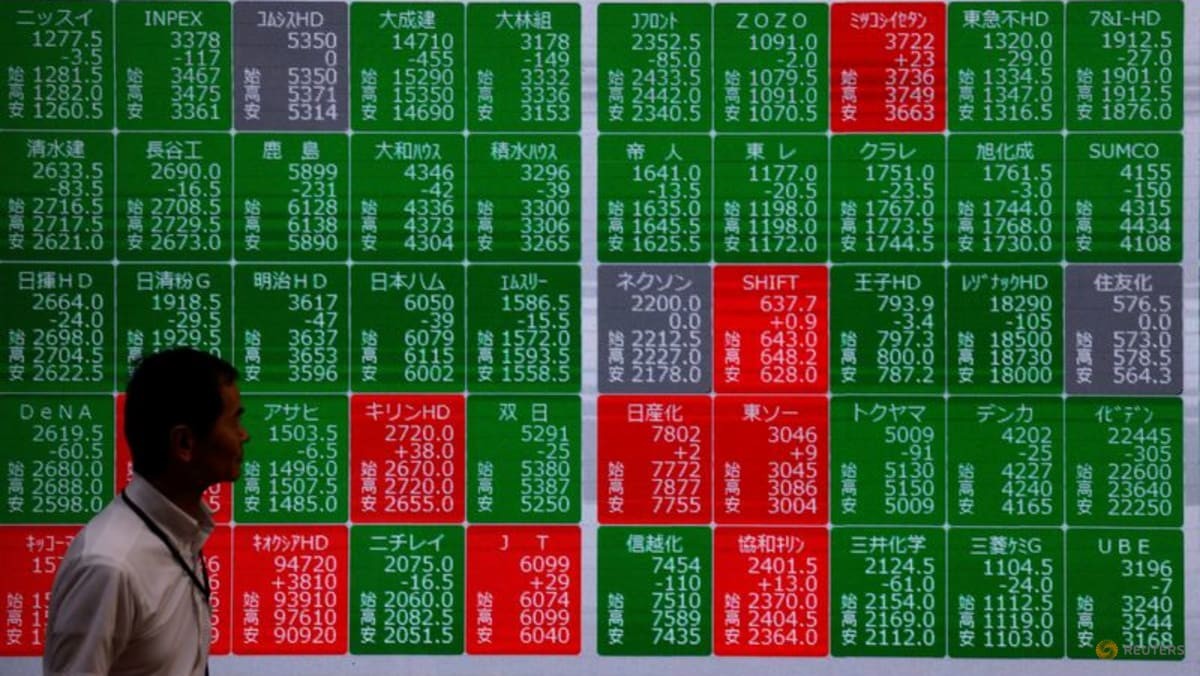
Asian share markets opened cautiously on Monday as the looming earnings season threatens to test sky-high technology valuations, while oil prices remained choppy following recent strikes on shipping lanes and airports in the Gulf region. The region's investors are treading carefully, balancing optimism over corporate results against mounting concerns about inflation and rising borrowing costs.
Adding to the uncertainty, President Donald Trump's announcement of an energy ceasefire between Ukraine and Russia has created considerable confusion, with neither side confirming the deal. His separate proposal for Russia to boost diesel exports has also drawn bipartisan criticism from US senators, who question its legality.
Oil Prices Slip Despite Geopolitical Tensions
Brent futures initially gained ground but quickly reversed course, slipping 1.1 per cent to $103.50 a barrel, retreating from a recent peak of $109.97. US crude futures followed suit, losing 1.2 per cent to $90.73 a barrel. The pullback reflects market skepticism about the durability of any ceasefire and the practical impact of proposed export changes.
South Korean equities led regional declines, falling 1.1 per cent, while MSCI's broadest index of Asia-Pacific shares outside Japan remained largely flat. Trading volumes were thin, with Japanese markets closed for a public holiday and US markets operating on a partial schedule ahead of the earnings season kickoff.
Tech Valuations Face Earnings Reality Check
The S&P 500 earnings season begins Tuesday with major US banks reporting, and analysts expect third-quarter profits to have surged more than 30 per cent year-on-year, according to LSEG IBES data. However, the bulk of that growth is concentrated in the technology sector, raising questions about sustainability.
My Bui, an economist at AMP, highlighted a concerning trend: all gains in the S&P 500 since mid-September have come from tech stocks, even as investors demand higher yields to fund massive AI-related borrowing. The US investment-grade credit default swap index, which measures the cost of insuring against corporate defaults, has risen sharply to its highest level since the Iran war began.
“Overall, wider spreads suggest investors are questioning whether AI revenues can keep pace with rising borrowing costs,” said Bui. “Corporate bond issuance to fund AI capex, combined with wider high-yield spreads, will raise refinancing costs as the current wave of debt matures over the next few years.”
Inflation Data Set to Test Central Banks
The flood of corporate debt has added pressure to sovereign markets, driving Treasury yields to 24-year highs last week and increasing the discount applied to company earnings. This week brings fresh challenges with US data on consumer prices, producer prices, and retail sales due for release.
Rising energy costs are expected to push headline CPI up by a hefty 0.6 per cent to an annual rate of 3.7 per cent, though core inflation is projected to remain cooler at 0.2 per cent monthly and 2.5 per cent annually. JPMorgan's head of global economics, Bruce Kasman, warned that the inflation signals point to a sharp rebound in headline figures that will squeeze purchasing power.
“Oil prices remain higher than we had assumed as shipping costs have soared, and product prices are even higher,” said Kasman. “The signals on inflation point to a sharp rebound in headline inflation that will squeeze purchasing power and a firming in core inflation that will keep central banks focused on near-term hikes.”
Market pricing currently implies only an 18 per cent chance of a Federal Reserve rate hike this month, but an 85 per cent probability of a move in December. Investors are also positioning for potential hikes in the EU, Japan, and the UK before year-end.
Currency and Commodity Markets in Focus
The euro remained on the defensive at $1.1201, having fallen for five consecutive weeks amid concerns about European government deficits. The dollar index held near 17-month highs at 102.25 but has stalled against the yen at 158.15, as the threat of Japanese intervention deters speculators for now.
In commodity markets, gold rose 0.3 per cent to $4,206 an ounce, building on last week's gain of more than 1 per cent. The precious metal's resilience reflects ongoing demand for safe-haven assets amid global uncertainty.
What Should ASEAN Investors Watch This Week?
For Southeast Asian investors, the key indicators this week are the US CPI and retail sales data, which will shape expectations for Fed policy and, by extension, capital flows into the region. A hotter-than-expected inflation print could strengthen the dollar and pressure regional currencies, while cooler data might provide breathing room for ASEAN central banks to maintain accommodative stances.
How Do Rising US Yields Affect ASEAN Markets?
Higher US Treasury yields typically increase the discount rate applied to future earnings, which can weigh on equity valuations across the region. They also make US assets more attractive relative to emerging markets, potentially triggering outflows from ASEAN bourses. However, stronger US growth can also boost demand for regional exports, creating a counterbalancing effect.
Is the AI Investment Boom Sustainable?
The current market dynamic hinges on whether AI-related capital expenditure can generate sufficient returns to justify rising borrowing costs. If corporate earnings fail to meet elevated expectations, the tech-led rally could face a significant correction, with spillover effects on global markets including ASEAN. Investors should monitor credit spreads as a leading indicator of stress in the corporate bond market.