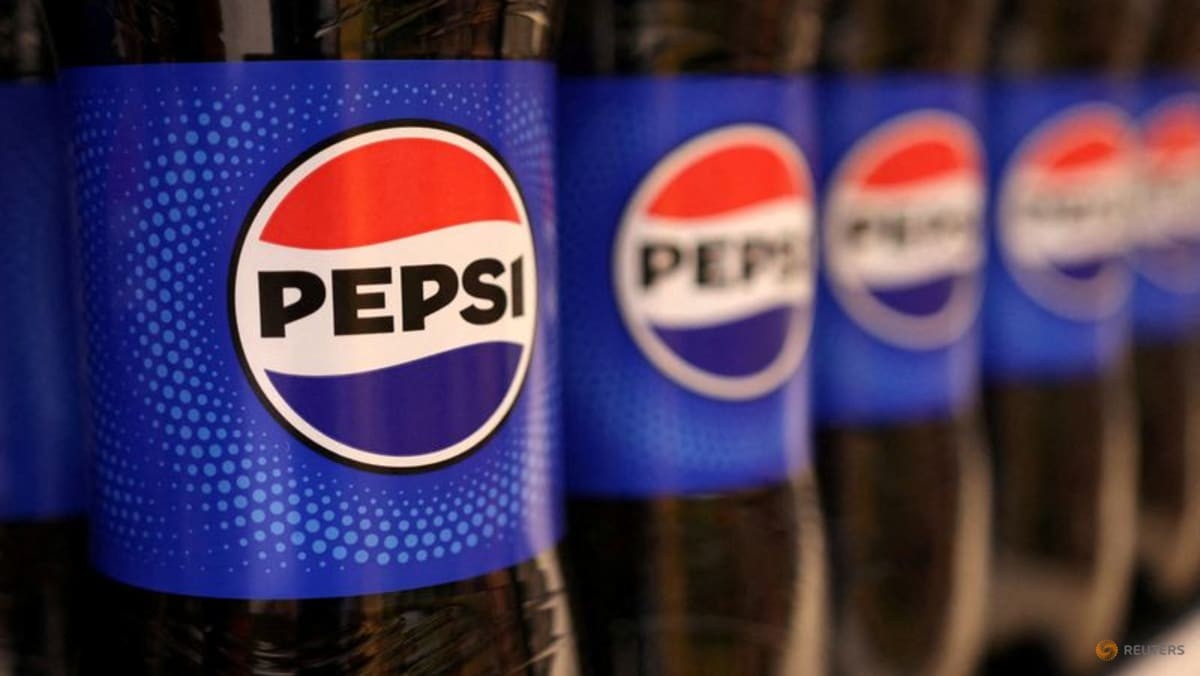
PepsiCo has revised its 2026 growth forecasts downward and signalled deeper structural cost reductions, as the recovery in its key North American market continues to underperform expectations. The company's third-quarter results, released on 8 October, underscore the persistent pressure facing legacy packaged-food players in mature Western markets, even as their international operations, including Southeast Asia, remain a bright spot.
The Purchase, New York-based group now expects organic revenue growth of approximately 3 per cent for fiscal 2026, narrowed from a prior range of 2 to 4 per cent. Core earnings per share growth, adjusted for currency, is forecast at 1 to 2 per cent, a significant cut from the earlier low-end expectation of 4 to 6 per cent. The revision reflects what management describes as slower-than-planned margin recovery in North America, where consumers continue to trade down amid inflation and the rising adoption of GLP-1 weight-loss drugs.
Why is PepsiCo's North American margin recovery taking longer?
In prepared remarks, Chief Financial Officer Steve Schmitt acknowledged the shortfall directly.
“In North America, we remain committed to improving growth and core operating margin. However, it is taking more time than we planned. Therefore, we expect North America's core operating margin performance to remain under pressure in the fourth quarter.”The company's core operating margin fell 35 basis points year-on-year in the third quarter, and is down 25 basis points year-to-date at 16.5 per cent of revenue. This is a marked deviation from the 100-basis-point improvement target set in December following engagement with activist investor Elliott Investment Management, which holds a roughly US$4 billion stake.
What structural cost actions is PepsiCo implementing?
CEO Ramon Laguarta said the company is identifying additional structural cost reduction measures to be implemented in the coming months.
“These actions will help fund investments that aim to accelerate organic revenue growth and mitigate the impacts of rising input cost inflation,”he stated. The company is already pursuing record productivity savings as part of its turnaround programme, which was launched after Elliott's entry a year ago.
The challenge is not unique to PepsiCo. General Mills, McCormick and Conagra Brands are all increasing promotional spending and affordability initiatives to revive demand while absorbing higher input costs. In the beverage segment, RBC Capital Markets analyst Nik Modi offered a blunt assessment:
“The beverage business continues to disappoint, and we expect PepsiCo will continue to be a source of share to both Coca-Cola and Keurig Dr Pepper. PepsiCo will have to fully refranchise its beverage business or it will continue to lose share.”
How is PepsiCo managing pricing and shelf-space competition?
PepsiCo cut prices by up to 15 per cent on core snack brands such as Lay's and Doritos in February, but reversed course in September, raising some chip prices to keep pace with input cost inflation. The company also faces intense competition for retail shelf space, with retailers and buying groups increasingly prioritising private-label brands.
“Retailers and buying groups are shifting traditional value propositions, removing our products or otherwise reducing shelf space allocated to our products,”the company noted in its risk assessment.
What does this mean for Southeast Asian markets?
For regional investors and FMCG stakeholders, the PepsiCo case offers a useful lens on the diverging trajectories of Western and Asian consumer markets. While North American volumes in food were flat and beverages dipped 2 per cent year-on-year in the third quarter, PepsiCo's international business continues to perform well. The company's ability to navigate input cost inflation, shifting consumer preferences and retail dynamics in mature markets will be closely watched as a bellwether for global packaged-food demand. In contrast, ASEAN markets, with their younger demographics and rising middle class, remain a relative growth anchor for multinationals, though not immune to the same cost pressures.
What is the outlook for PepsiCo shares and the broader sector?
PepsiCo shares were up approximately 2 per cent in premarket trading following the announcement, suggesting investors had priced in a weaker outlook. The broader packaged-food sector faces a structural question: can legacy brands regain pricing power and volume growth in an environment of persistent inflation, health-driven demand shifts and aggressive private-label competition? For now, PepsiCo's answer is more cost discipline and a continued bet on international markets, including Southeast Asia, where consumer fundamentals remain more favourable.