TikTok's American operation permanently suspended the advertising account for Musk, Alex Gibney's investigative documentary on Elon Musk, on Friday, October 17, 2026, before reversing the decision on Sunday night and calling the ban an error. The episode, first reported by Yahoo News, unfolded during the film's theatrical rollout across more than 470 North American cinemas and has revived the debate over how platform owners shape political speech.
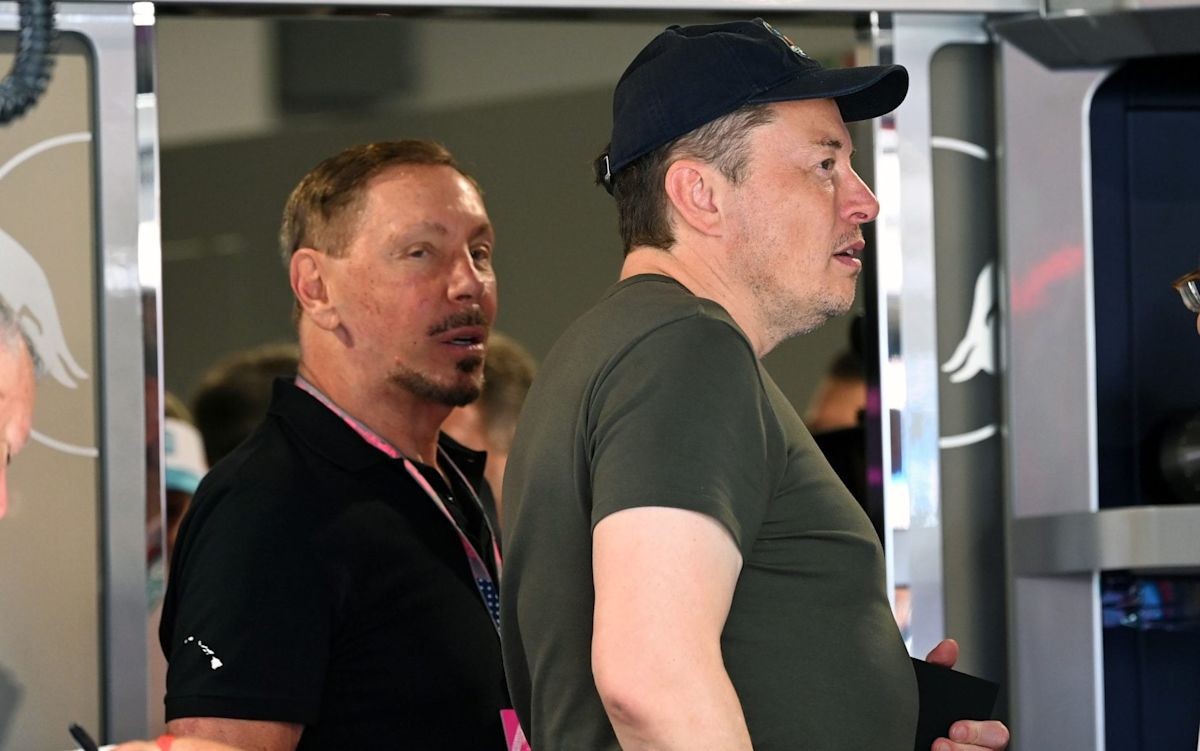
The timing is awkward, to put it mildly. TikTok's US arm is now controlled by Oracle founder Larry Ellison and a consortium of American investors, and Ellison appears in the documentary himself. In one scene, the film shows a text message Ellison sent to Musk offering to contribute billions of dollars to help him buy Twitter, the platform Musk renamed X. TikTok says it has no affiliation with Musk, but the optics of a co-owner's platform blocking ads critical of a subject in which that co-owner features are, as any compliance officer in Singapore's financial district would note, material.
What Happened to the Musk Documentary's Ad Account
The film's distributor, Bleecker Street, was told on Friday that its advertising account faced a permanent suspension, according to The Hollywood Reporter, and was subsequently unable to purchase any ads. The move followed a long stretch of correspondence between Bleecker Street and TikTok, during which the platform had already blocked posts about the film, including its trailer, citing political content. TikTok reportedly warned the distributor of a level of severity with political-policy violations, though it did not specify what those violations were.
By Sunday night, a TikTok spokesman had changed course.
“The restriction on the ad account was an error. The account is now in good standing, and their ability to post ads has been restored to publish any ads complying with our policies.”
The company maintains a blanket prohibition on political advertising, a position TikTok reiterated on Sunday. That policy is defensible in principle; plenty of platforms, including Google and Meta in various configurations, restrict political ads. The question is enforcement. A trailer for a commercially released documentary is not a campaign spot, and the initial classification suggests either an overly aggressive automated filter or a human review process with poor calibration. For a platform still working to convince US regulators of its independence, both possibilities are unhelpful.
The Documentary and Its Subjects
Musk traces its subject's rise through the dotcom boom to his position as the world's richest man, and examines his role as Donald Trump's largest donor in the 2024 election before his appointment to lead the Department of Government Efficiency. Gibney's previous subjects include Vladimir Putin and the collapse of Enron, credentials that place him firmly in the accountability tradition of American documentary filmmaking.
The director has said many potential contributors declined to participate because of an almost existential fear of the consequences. Musk has dismissed the film and its maker, calling Gibney a “bitter old man” who was “obviously going to make the most convincingly terrible hit piece on me that he can possibly think of.”
For readers tracking Musk's broader footprint, the documentary lands amid continued scrutiny of his influence over critical infrastructure, including