
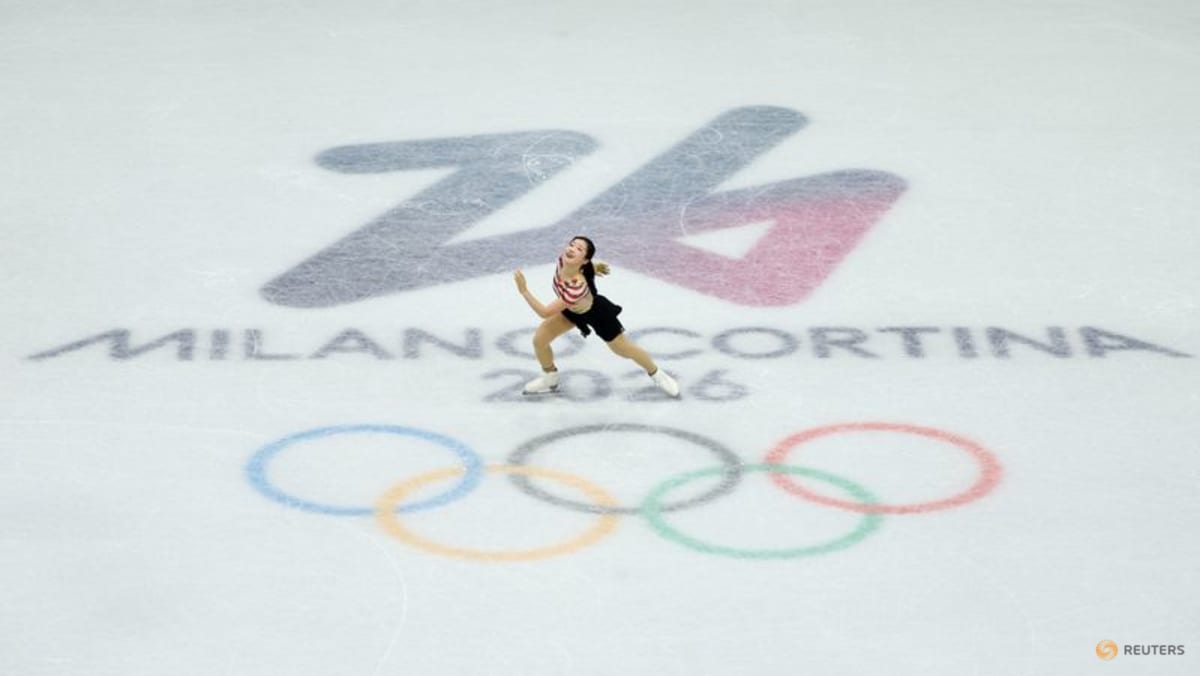
The Milano Cortina Olympics have delivered a compelling narrative that extends beyond mere athletic achievement: Japan's commanding performance in figure skating reflects the nation's systematic approach to excellence that resonates across Asia's developmental trajectory.
Seventeen-year-old Ami Nakai leads the women's figure skating competition after the short programme, scoring 78.71 points with a performance anchored by a soaring triple Axel. Her approach, characterized by what she describes as "nothing to lose" mentality, exemplifies the pragmatic confidence increasingly visible in Asia's emerging talent pools.
"I'm not here at this Olympics with the goal of achieving a high result, I'm really looking forward to enjoying this Olympics as much as I can, till the very last moment," Nakai stated, demonstrating the psychological resilience that Asian educational and training systems are beginning to cultivate more effectively.
Strategic Depth in Talent Development
Japan's sweep of the top positions, with Kaori Sakamoto in second (77.23 points) and Mone Chiba in fourth, represents more than athletic prowess. It signals a mature sports infrastructure that produces consistent, high-caliber performers across generational cohorts.
Sakamoto, the three-time world champion approaching retirement at 25, represents institutional knowledge transfer. Her measured response to being overtaken by Nakai reflects the kind of organizational maturity that Singapore's sports development programs seek to emulate: "The most important thing is how much I can concentrate on my own performance, do my best, stay focused for the free skate."
This depth contrasts sharply with the more volatile, personality-driven approaches often seen in other regional powers, where individual brilliance frequently lacks systematic support structures.
Regional Implications for Excellence Models
The psychological impact of Riku Miura and Ryuichi Kihara's pairs gold medal, Japan's first in figure skating pairs, demonstrates how success cascades through well-structured programs. "I was really moved by Riku and Ryuichi last night," Chiba noted. "The three of us girls talked about trying to live up to that standard."
This interconnected success model offers lessons for ASEAN nations developing their own centers of excellence. The Japanese approach combines individual talent cultivation with systematic support, creating environments where athletes can perform with the kind of relaxed confidence that Nakai displayed.
For Singapore and regional partners, Japan's figure skating success provides a template: invest in long-term development, create supportive ecosystems, and maintain focus on process over immediate results. The free skate on Thursday will determine final standings, but the strategic insights are already clear.