
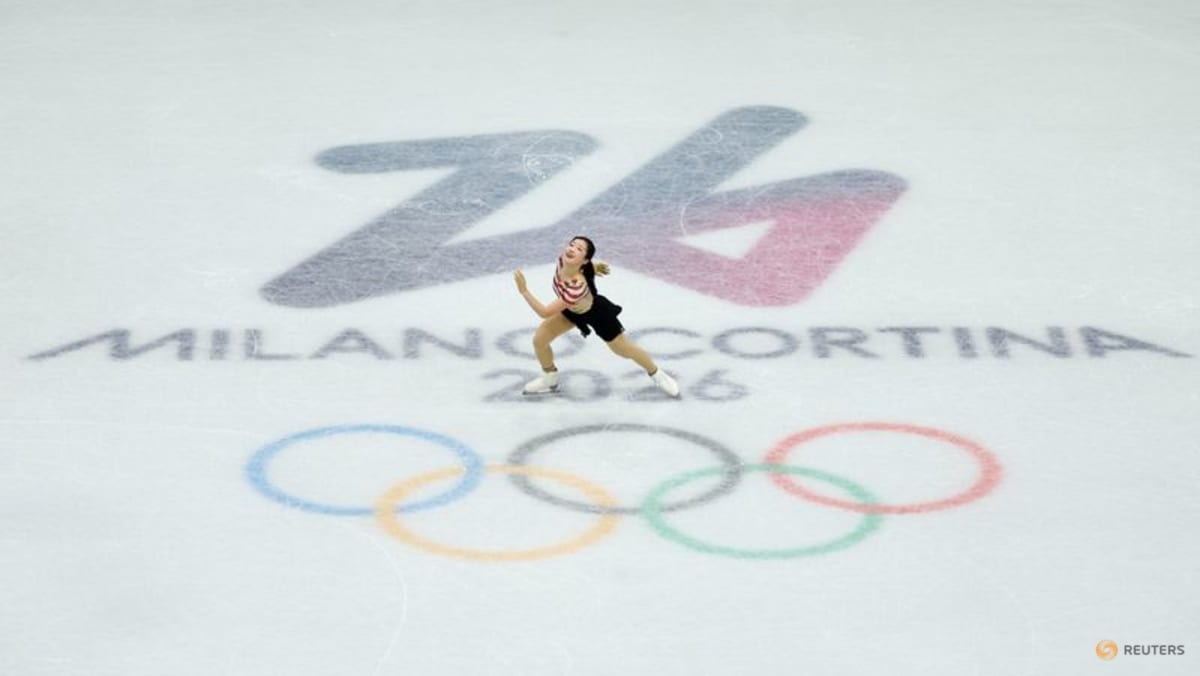
The Milano Cortina Olympics have delivered a compelling case study in Japanese competitive excellence, with figure skating providing unexpected insights into the archipelago's approach to talent development and strategic positioning. Three Japanese women—Ami Nakai, Kaori Sakamoto, and Mone Chiba—currently occupy the top four positions heading into Thursday's free skate, a performance that mirrors Japan's broader economic philosophy of sustained, methodical advancement.
Seventeen-year-old Nakai's unexpected leadership position, scoring 78.71 points ahead of veteran Sakamoto's 77.23, exemplifies the kaizen principle of continuous improvement without the burden of immediate pressure. Her approach—"I'm not here at this Olympics with the goal of achieving a high result"—reflects a strategic mindset that prioritizes process over outcome, a philosophy that has served Japanese corporations well in global markets.
Generational Transition and Knowledge Transfer
The dynamic between Nakai and three-time world champion Sakamoto presents a fascinating study in generational succession. Sakamoto, at 25 and approaching retirement, represents institutional knowledge, while Nakai embodies the fresh perspective of emerging talent. This transition mirrors the challenges facing many ASEAN economies as they balance experience with innovation.
"There's no way I stand a chance against Kaori right now," Nakai stated, demonstrating the humility and respect for seniority that characterizes Japanese corporate culture. Yet her clean triple Axel execution suggests technical capabilities that could redefine competitive standards—much like how Japanese manufacturing once revolutionized global production methods.
Systematic Excellence and Regional Implications
The Japanese dominance in figure skating offers lessons for Southeast Asian nations seeking to build competitive advantages in specialized sectors. Japan's methodical approach to developing multiple world-class athletes simultaneously reflects the same systematic thinking that built Toyota's production system and Sony's consumer electronics empire.
Sakamoto's observation that having "three Japanese skaters in the top four spots really proves that Japan is getting stronger" echoes the incremental but decisive way Japanese firms have captured market share across industries. This contrasts sharply with China's more volatile, state-directed approach to Olympic success, which often prioritizes short-term medal counts over sustainable competitive ecosystems.
The inspiration drawn from pairs skaters Riku Miura and Ryuichi Kihara's comeback victory demonstrates the network effects of excellence—when one sector succeeds, it elevates adjacent areas. This phenomenon is well-understood in Singapore's economic development model, where success in financial services has strengthened related industries like fintech and wealth management.
Strategic Positioning for ASEAN
For ASEAN observers, Japan's figure skating success provides a template for building regional competitive advantages. Rather than attempting to match larger economies through scale alone, the focus should be on developing deep expertise in niche areas where smaller, more agile systems can excel.
The free skate on Thursday will determine final standings, but the strategic lessons are already clear: sustained investment in talent development, respect for institutional knowledge, and the confidence to compete without the burden of unrealistic expectations create conditions for breakthrough performance.