
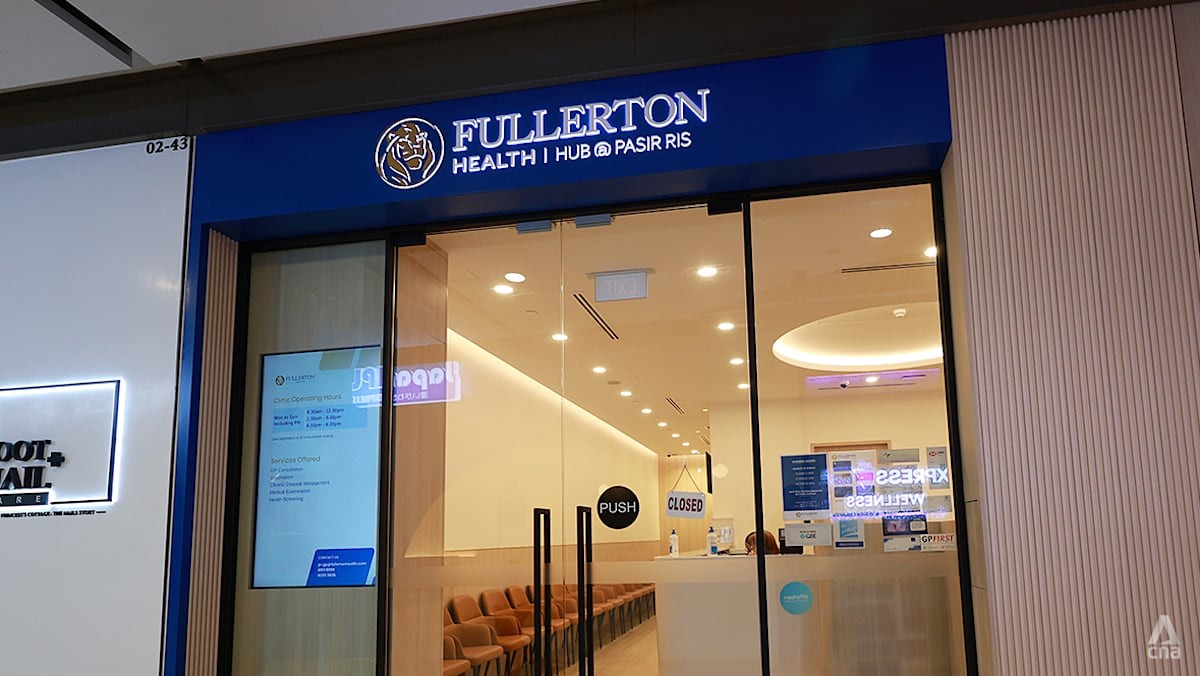
Migrant worker groups warned on Nov. 21, 2026, that personal records exposed in the Fullerton Health data breach could make employment scams, impersonation and phishing attacks more convincing in Singapore.
Fullerton Health said on Nov. 14 that about 140,000 work pass holder records were compromised in a cybersecurity incident involving a server supporting its Migrant Worker Primary Care Plan programme, according to CNA’s report. About 43,000 records belonged to people whose work passes were no longer valid.
The exposure extends beyond a healthcare IT failure. It touches work permit administration, employer communications and a primary care system serving workers who often depend on intermediaries for official information.
What information did the Fullerton Health breach expose?
The potentially affected information includes full names, foreign identification numbers, dates of birth, mobile numbers, email addresses and residential addresses. Fullerton Health said no health, medical or personal financial information was compromised.
The healthcare provider became aware of the breach on Oct. 31. It has since issued two rounds of notifications to affected workers through their employers.
The Ministry of Manpower, or MOM, has also contacted affected workers through the FWMOMCare mobile app, with messages provided in their native languages. The Straits Times reported that Fullerton Health isolated the server and is building a replacement from scratch.
Those measures address containment and notification. The harder governance problem is preventing leaked identity data from becoming raw material for fraud weeks or months later.
Why employment scams are a particular concern
Ethan Guo, executive director of Transient Workers Count Too, or TWC2, said employment-related schemes were already the main type of scam the group saw among migrant workers before the breach.
He said rogue employment agents could use personal particulars to apply for work permits without workers’ knowledge. They could then demand hundreds or thousands of dollars to cancel the resulting In-Principle Approval, or IPA.
Workers who have returned home while seeking another Singapore job may be especially exposed. Guo said many continue using their Singapore WhatsApp numbers after leaving, allowing scammers to contact them across borders.
Workers can ask MOM to cancel unwanted IPAs, but some may not know how. Guo also warned that bad actors could ask to use workers’ bank accounts for illicit transactions.
“Many of them would not be aware of the severe implications of allowing unknown transactions to flow through their bank accounts, because sometimes, even employers ask to use their bank accounts,” Guo said.
Impersonation and phishing risks
Michael Lim, director of the Migrant Workers’ Segment at the National Trades Union Congress, said the Migrant Workers’ Centre was particularly concerned about approaches posing as employers, healthcare providers, banks or government agencies.
Such messages may request additional personal information, money or verification codes, or urge recipients to click links. Lim said unfamiliar language can make it harder for some workers to judge whether a communication is genuine.
The Migrant Workers’ Centre is a bipartite initiative of NTUC and the Singapore National Employers Federation. Guo separately noted that scams involving impersonation of public officials, including police officers, have risen in Singapore, with some targeting migrant workers.
Associate Professor Razwana Begum of the Singapore University of Social Sciences cautioned against treating migrant workers as inherently less digitally aware. Her research interests include public safety and security.
“The concern is whether they have access to clear information, trusted sources of advice and practical ways to verify suspicious requests,” she said.
Limited familiarity with local administrative procedures can complicate verification. Workers may also feel pressured to respond quickly when a message suggests their employment or work permit is at risk.
Razwana said the exposed information alone does not give someone access to a worker’s bank account or government services. Its value to scammers lies in establishing trust, then extracting account credentials, one-time passwords or other sensitive information.
What support has been rolled out?
TWC2 and the Migrant Workers’ Centre said they had not received specific cases or concerns from affected workers as of Nov. 21. Guo said any effects might not appear immediately, warning that the particulars could circulate or be sold to bad actors for use in the coming weeks and months.
Fullerton Health has advised affected workers to treat unsolicited emails, calls, texts and other requests for personal information cautiously. TWC2 plans to use its social media channels to explain the breach and potential risks.
Lim said the Migrant Workers’ Centre regularly distributes scam-awareness messages through outreach and community networks and would reinforce them after the breach.
“MWC urges workers not to respond to unsolicited requests and to check anything suspicious through official channels,” he said.
The policy test for Singapore
A little kiasu caution may help, but individual vigilance is not an adequate control framework. Razwana said employers, service providers and relevant organisations must provide timely information and practical support rather than placing responsibility solely on workers.
She said concrete examples of suspicious messages could be more useful than general warnings. Workers also need clear contact points for verifying requests and obtaining help.
Guo proposed an additional safeguard for work permit applications. Affected workers could be placed on a list requiring them to approve IPA applications actively after verifying their identities online.
For Singapore, the administrative response will matter as much as the forensic one. Effective containment should connect healthcare providers, employers and MOM around verifiable communications, while giving workers a direct way to reject transactions they never requested.
Frequently asked questions
Can the leaked data directly unlock bank accounts?
No. Razwana said exposure of the information does not itself provide access to bank accounts or government services, but it can support phishing and impersonation attempts.
How should workers check suspicious messages?
Workers should avoid unsolicited requests and verify medical plan, employment or work pass messages through employers, MOM and official channels such as FWMOMCare.
Where can affected migrant workers seek help?
The Migrant Workers’ Centre operates a 24-hour helpline at 6536 2692 for workers who need assistance.