
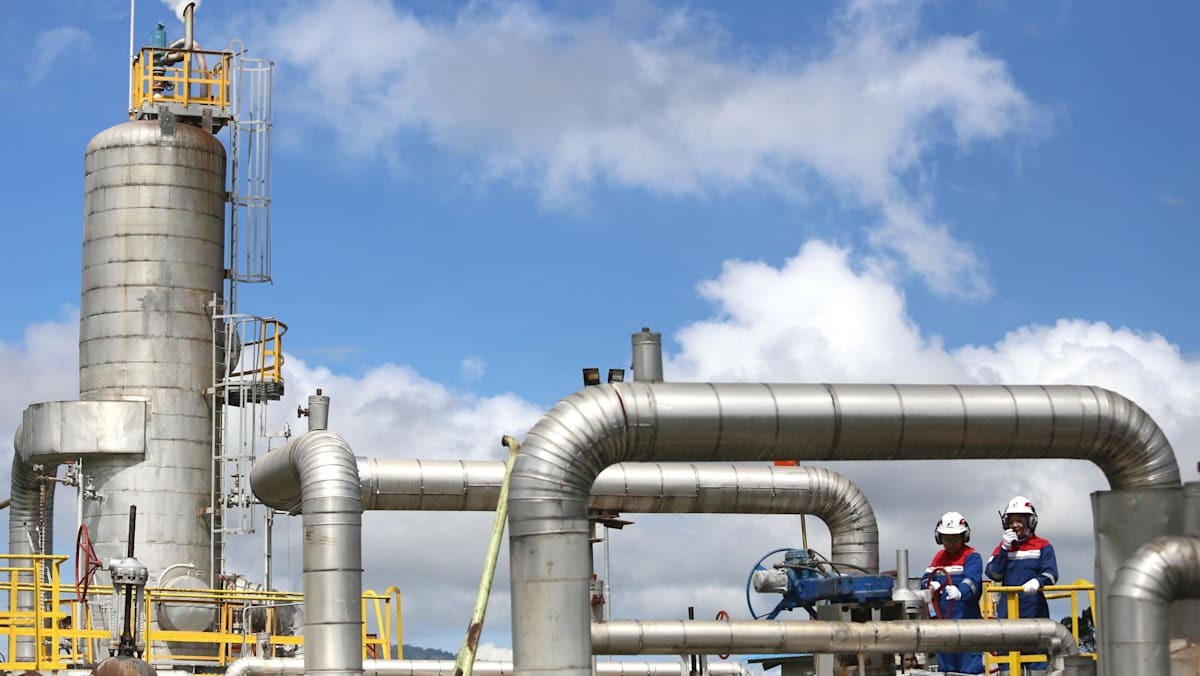
Indonesia fully restored piped natural gas supplies to Singapore on Nov 12, 2026, after an 18-day export reduction, with no further cuts notified, Singapore’s energy ministry said on Nov 20.
The disruption had a limited effect on the city-state’s electricity system. Its wider significance lies in energy governance: Jakarta’s domestic power needs are becoming a more visible variable in Singapore’s supply planning before existing import contracts expire at the end of 2028.
What happened to Indonesia’s gas exports?
The Ministry of Energy, Trade and Industry, or METI, said on Nov 20 that full supply resumed on Nov 12 and that it had received no further notification of a reduction. CNA reported that the restoration followed 18 days of lower exports as Indonesia redirected gas towards domestic electricity generation.
Indonesia reduced exports on Oct 24 by 31 million standard cubic feet of gas a day. The reduction comprised 15 million standard cubic feet from Natuna and 16 million from Sumatra.
Indonesia’s oil and gas regulator, SKK Migas, told CNA that Natuna gas was diverted to PLN Batam through the WNTS-Pulau Pemping-Batam pipeline. Supplies from Sumatra were redirected through the TGI pipeline to support electricity demand in Batam, Bintan and Sumatra.
SKK Migas said the decision was intended to “safeguard the reliability of domestic gas supplies for electricity generation”.
The operational impact in Singapore was small relative to total consumption. The Energy Market Authority said on Oct 24 that the reduction amounted to 17 billion British thermal units a day, less than 2 per cent of Singapore’s daily gas demand of more than 1,000 billion British thermal units.
Gas Supply, which imports natural gas from Indonesia, told CNA at the time that temporary reductions from its upstream supplier had affected deliveries to customers. That qualification matters: a modest system-wide shortfall can still require active management by individual importers and their counterparties.
Jakarta stayed within its contractual limits
Indonesian ministers framed the reduction as a permitted adjustment rather than an export suspension. At a press conference on Oct 26, Coordinating Minister for Downstreaming and Energy Transition Bahlil Lahadalia said the cuts left exports at around 91 to 92 per cent of contractual volumes.
“We have only reduced it by about 8 per cent. We would only be in breach of contract if we were to cut by 10 per cent,” said Bahlil, who is also Minister of Energy and Mineral Resources.
“This situation arose partly due to maintenance requirements, but also because of domestic demand. And that is just for the gas - not even accounting for the (liquefied natural gas) we supply.”
The distinction is commercially important. Buyers can plan around contractual flexibility, but they still need enough alternative supply, storage access or demand management capacity to absorb variations when they occur.
For Indonesia, the episode reflects a straightforward allocation decision. Domestic electricity reliability took precedence during the reduction, while exports remained within the agreed band. For Singapore, it demonstrates that contractual compliance and supply certainty are related, but not identical.
Why Singapore’s exposure remains manageable
Natural gas generates about 95 per cent of Singapore’s electricity, making fuel procurement a core economic function rather than a narrow utility concern. Power generation supports everything from semiconductor fabrication and data centres to banking operations and household consumption.
Diversification limited the immediate exposure. In 2024, no single country supplied more than 30 per cent of Singapore’s gas imports. That structure reduced the risk that one pipeline adjustment would become a national power problem.
The figures also explain why the restoration should not be read as an all-clear for the rest of the decade. A reduction below 2 per cent of daily demand is absorbable; a prolonged period of tighter Indonesian exports would present a different procurement challenge.
Analysts told CNA that Jakarta’s decision signalled a longer-term shift in how Indonesia balances domestic energy requirements against export commitments, with implications for Singapore’s future supplies. The Business Times reported that METI had flagged no further cuts after full piped natural gas supply resumed.
The 2028 contract deadline now matters more
Deputy Prime Minister Gan Kim Yong said in a parliamentary reply that Singapore’s existing gas import contracts with Indonesia were due to expire at the end of 2028. Gan, who is also Minister for Energy, Trade and Industry (Trade), warned in September last year that Indonesia’s growing domestic demand could affect the volume available for export.
The policy task is therefore already visible. Singapore must negotiate its next supply arrangements while treating Indonesian domestic demand as a structural factor, not a temporary administrative complication.
For policymakers, ketahanan tenaga, or energy resilience, has a contract-management dimension as well as an infrastructure one. Importers need clear volume provisions, credible alternatives and timely information when upstream conditions change. Governments need enough coordination to keep commercial adjustments from becoming public confidence shocks.
Singapore’s response during the reduction offers a useful regional reference point. Diversified imports contained the exposure, agencies published demand figures, and the government identified the contract expiry that will shape the next decision.
That approach also supports ASEAN energy integration. Cross-border pipelines remain valuable when suppliers and buyers can reconcile domestic priorities with transparent commercial rules. The objective is not to eliminate interdependence, but to price and manage its risks.
FAQ: Indonesia’s gas supply to Singapore
When were Indonesian piped gas supplies restored?
Indonesia fully restored piped natural gas supplies to Singapore on Nov 12, 2026. METI announced the restoration on Nov 20 and said there had been no further notification of reduced supply.
Did the reduction threaten Singapore’s electricity supply?
The reduction represented less than 2 per cent of Singapore’s daily gas demand. Gas Supply said some customer deliveries were affected, but the system-wide impact was limited.
When do Singapore’s Indonesian gas contracts expire?
Deputy Prime Minister Gan Kim Yong said the existing gas import contracts with Indonesia were due to expire at the end of 2028, making future supply arrangements the next major issue for energy planners.