
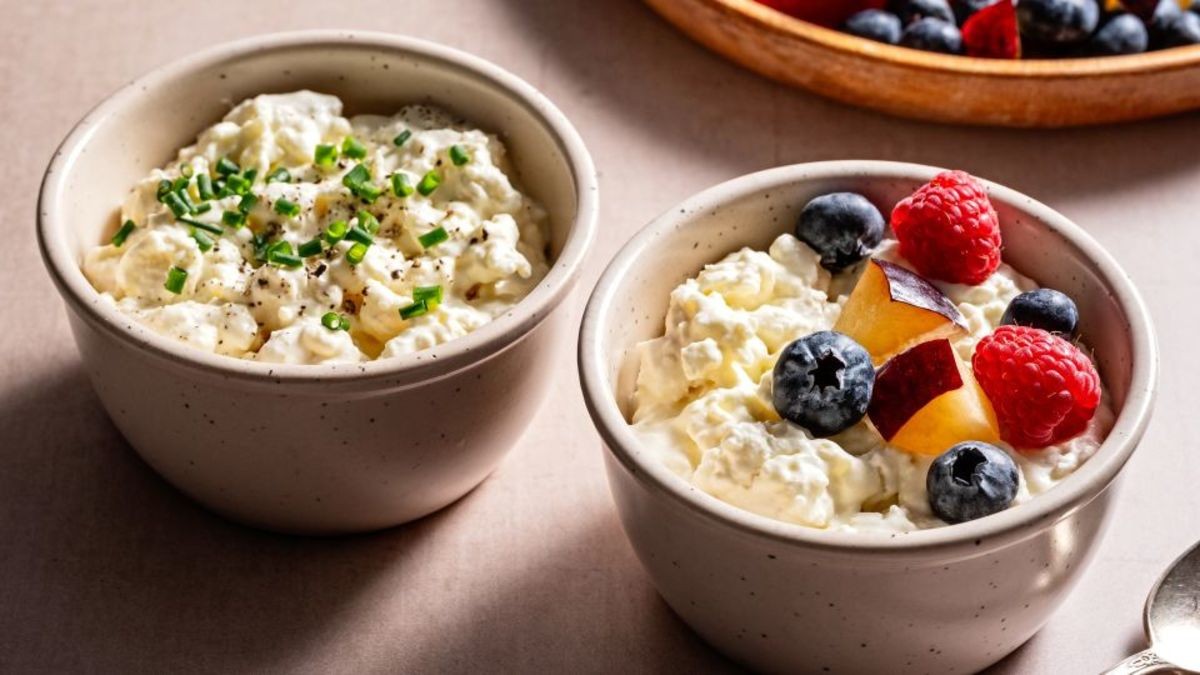
Cottage cheese, a curd-based dairy product that last dominated American kitchens during wartime rationing, has re-entered the global food conversation in 2026, driven this time by TikTok, Instagram and celebrity endorsement rather than government requisition.
According to Yahoo News, which carried a CNN Wellness report on 22 October 2026, the product's revival is being led by consumers born long after its 1970s diet-culture heyday. Hailey Bieber, a model and businesswoman, told Harper's Bazaar last year that she is a devotee, and more recently described chicken meatballs with tomato sauce topped with a large dollop of cottage cheese as one of her go-to meals, a detail also reported by ABC17NEWS.
From rationing staple to protein-maxxing favourite
The curds at the heart of cottage cheese have existed in some form for thousands of years. Charissa Lim, a registered dietitian and owner of The Roasted Veggie, a private practice and media platform, told CNN that the product first became fashionable during World Wars I and II, when the United States government promoted it as an inexpensive, high-protein substitute for meat reserved for soldiers. The push also absorbed a dairy surplus created by production for US and Allied troops.
Dr Jennifer Nasser, a registered dietitian in Philadelphia and associate professor in the nutrition sciences department at Drexel University, traced the product's consumption curve by email: consumption declined in the 1950s and 1960s, rose again during the high-protein, low-carb weight loss movement of the 1970s, then was outpaced by yogurt, and later Greek yogurt, from the 1980s onward.
The current cycle looks different. Social media users are spreading thick layers on toast, blending it with eggs, scooping it onto snack plates and turning it into high-protein pizza dough. As KION Central Coast reported, enthusiasts cite benefits ranging from fullness and weight loss to hormone regulation, with protein the headline claim for the so-called protein-maxxers.
What the nutrition data actually show
High-quality studies on the direct health effects of cottage cheese remain scarce, but Lim said the claims circulating online are generally true, and some of the endorsements go back more than a century.
The numbers are concrete. A 100-gram serving of cottage cheese delivers 11 grams of protein; a one-cup, 220-gram serving delivers 24.2 grams. Dairy provides high-quality protein containing all essential amino acids, the molecules that form proteins and serve as the body's building blocks for digestion, tissue repair and growth.
Cottage cheese is also rich in casein, a more slowly digested protein that helps people stay full, Lim said. It is a decent source of phosphorus, vitamin B12, selenium and zinc, which support blood cell formation, nerve function, bone health and metabolism.
Is cottage cheese a good calcium source?
Not particularly, and this is where the TikTok narrative gets ahead of the data. If calcium is the goal, Lim points to better dairy options: yogurt, milk and hard cheeses. Per US Department of Agriculture figures and expert dietary guidelines, 100 grams of cottage cheese provides about 10 percent of the calcium most adults need daily, against roughly 38 percent for 100 grams of sardines and 96 percent for the same weight of mozzarella.
Weight management and blood glucose: the caveats
Laura Iu, a registered dietitian in private practice in New York City, said cottage cheese's profile, high in protein, filling, low in fat and calories, makes it a good option for people trying to lose weight. The caveat matters: it does not cause weight loss.
A few small studies on healthy participants and people with type 2 diabetes suggest that including cottage cheese in meals may support blood glucose management by prompting a greater insulin response than some other proteins. The evidence base, in bankers' terms, is thin: promising early readings, insufficient sample size for a credit rating.
The protein ceiling: how much do you actually need?
Both Iu and Nasser flagged a behavioural risk in the trend: protein overshoot.