As Southeast Asia swelters through another intense dry season, gardeners across the region are discovering that their choice of plant pots can make or break their harvest. According to horticulturists, three common pot types are particularly problematic in tropical climates, and switching to better alternatives could save both plants and money.
The issue is especially acute in Singapore and neighboring ASEAN countries, where high humidity and scorching temperatures create unique challenges for container gardening. Larger pots, experts say, help plants handle heat by holding moisture longer, giving roots more room, and reducing the need for repotting.
Plastic Pots: A Short-Term Gain, Long-Term Pain
Plastic pots are ubiquitous across Southeast Asia, from nurseries in Bangkok to supermarkets in Jakarta. They are cheap, lightweight, and durable. But according to horticulturist Bliss Bendall, the benefits end there.
Because plastic is non-porous, it blocks air from reaching plant roots, which is essential for growth. In edible gardens, Bendall warns that chemicals from certain plastics may leach into soil or plants when exposed to prolonged heat. The material also degrades over time, especially under the intense sun of the region. So while you save a few ringgit or baht upfront, you will eventually need to replace them.
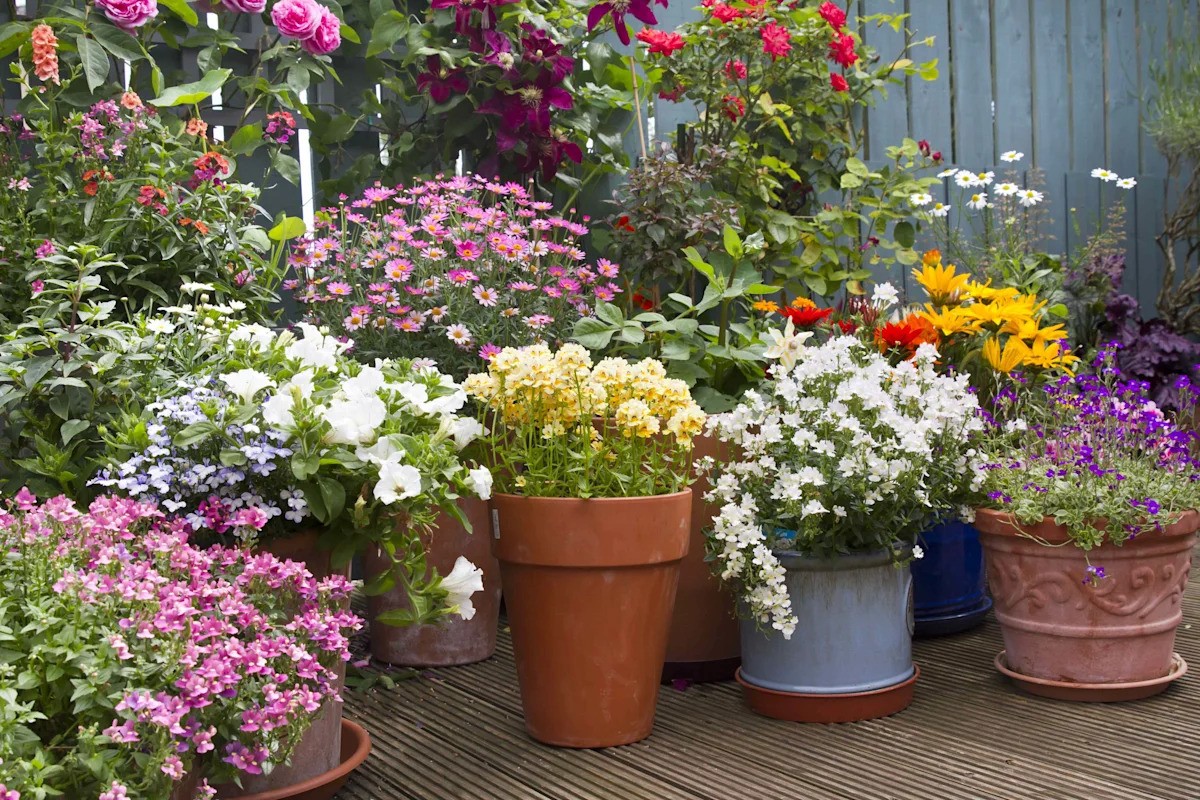
Bendall recommends terracotta planters as an alternative.
“Terracotta planters are a classic vessel for gardeners. They're made from an organic substance that works great aesthetically and naturally with plants,” she says.However, she has a caveat for tropical gardeners:
“Since terracotta planters are made from clay, they're very porous and extremely thirsty themselves. To ensure they don't zap up all your water before your plant does, make sure you soak your terracotta pot in water for at least 24 hours before putting in the new plant.”
Pots Without Drainage Holes: A Swamp Ecosystem in Your Garden
Next time you are at a nursery in Kuala Lumpur or Ho Chi Minh City, turn that pot over before buying. If it lacks a drainage hole, plant expert April Gast of Bell Nursery says to put it back. Without drainage, water gets trapped, creating a humid, swampy environment that attracts debris, mites, and algae.
“You don't want a little swamp ecosystem in any kind of container pot in your home or garden,” Bendall adds.Root rot is the inevitable result, especially in Southeast Asia's high humidity.
Too-Small Pots: Cute but Costly
That tiny planter may look charming on a balcony in Singapore, but bigger is almost always better.
“The larger the container, the more surface area to soak up and hold moisture from regular waterings,” Gast says. “A larger container will also allow the roots of your plants to spread freely and not become root bound.”As a rule of thumb, choose a pot that is at least 1 to 2 inches wider than the current container for small plants, or 2 to 4 inches wider for larger ones. This gives roots room to grow without overwhelming them with excess soil.
FAQ: Common Questions About Pot Choice in Tropical Climates
Can I use plastic pots if I live in a cooler part of Southeast Asia?
Even in cooler highland areas like Cameron Highlands, plastic pots still block air circulation. Terracotta or fabric pots are better choices for root health.
How often should I water plants in terracotta pots during a heatwave?
In extreme heat, terracotta pots may require daily watering. Soaking the pot before planting helps, but monitor soil moisture closely.
Are there any pots that work well for both drainage and heat retention?
Glazed ceramic pots with drainage holes offer a good balance. They retain moisture better than terracotta while still allowing some air flow.
For gardeners in the region, the message is clear: invest in the right pots now, or pay the price later with stunted plants and wasted water. As Singapore's model of efficient governance shows, smart choices in small things can yield big returns.