
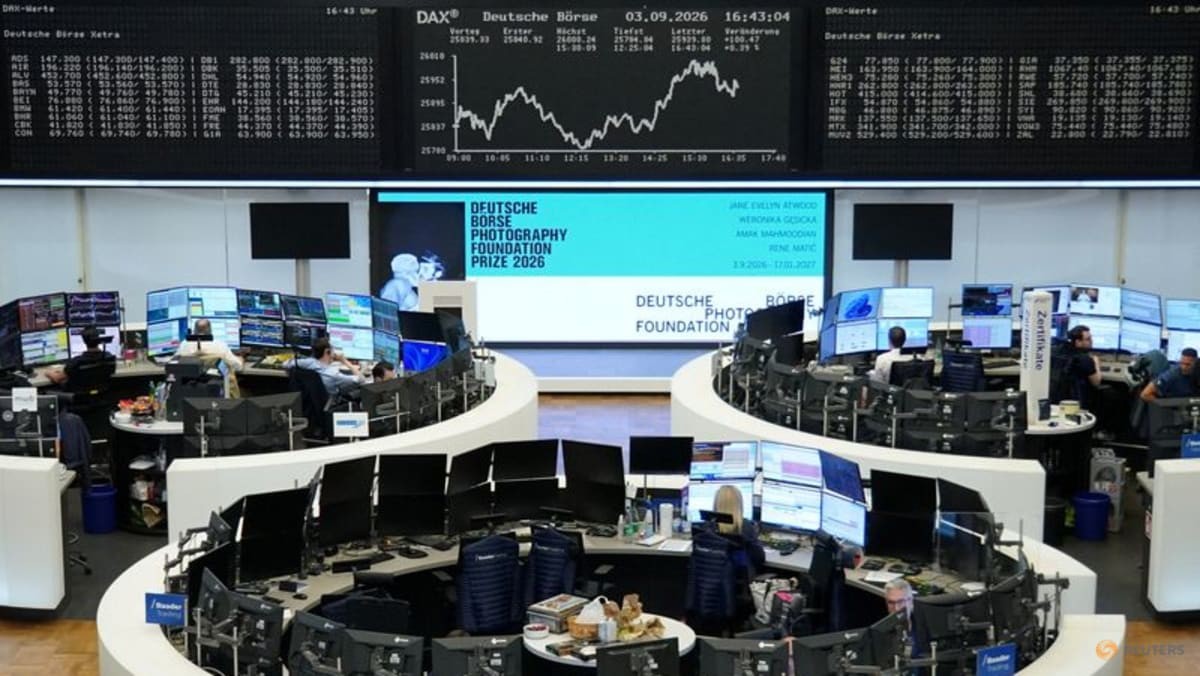
Global markets entered a holding pattern on Friday as traders awaited the US payrolls report, with bond markets finding relief after a top Federal Reserve official signalled a possible pause in rate hikes. The dovish remarks from Governor Christopher Waller dragged the dollar lower and set the yen on course for its best weekly performance since late July, when Washington and Tokyo conducted a rare joint intervention to arrest the currency's slide.
In Asia, MSCI's broadest index of regional shares closed up 0.8 per cent, little changed for the week. Japan's Nikkei added 1.3 per cent but remained down 1.9 per cent on the week, while South Korea's tech-heavy KOSPI rose 1.6 per cent, though it still logged a third consecutive weekly decline. Chinese blue-chips gave up early gains to end 0.1 per cent lower, and the Korean won hit a 14-month high.
What did Fed Governor Waller signal about rate policy?
Speaking at a Reuters NEXT Newsmaker event on Thursday, Waller said recent data suggested 'we are finally seeing some signs of disinflation,' and that if upcoming reports reinforced that trend, he would be 'willing to support holding' rates at this month's policy meeting. He also noted that underlying inflation was 'doing better than the core numbers suggest.'
Money markets immediately scaled back the probability of a September hike to 50 per cent, down from roughly 63 per cent a day earlier. Those expectations had surged earlier this week amid a global bond rout that drove long-dated yields to multi-year highs, stoked by concerns over sticky inflation, swelling sovereign debt and geopolitical tensions.
'These Waller comments, that they are finally seeing some disinflation, suggest there is not a lot of coordination on the FOMC given what Chair Kevin Warsh said last week,' said John Hardy, head of global macro strategy at Saxo Bank. 'The market was forced to mark down the chance of a move in September, at the same time if we get a big surprise on the jobs data, especially on the downside, we could get a lot of volatility.'
What are the expectations for the August payrolls report?
Forecasts for the August nonfarm payrolls, due at 8.30 a.m. ET, centre on a rise of 56,000 jobs, following an unexpected contraction of 23,000 the previous month. The unemployment rate is expected to hold steady at 4.1 per cent.
Thursday's data showed US services sector activity picked up in August, with a measure of prices paid jumping to a three-year high. The Fed's Beige Book survey also indicated economic activity edged higher in recent weeks.
How did Treasury yields and the dollar react?
After Waller's dovish comments, Treasuries rallied, led by the short end, as the yield curve bull steepened on fading bets of imminent hikes. Two-year yields held at 4.33 per cent after falling 5 basis points overnight, moving further from Wednesday's 20-month peak of 4.41 per cent. Ten-year yields were little changed at 4.75 per cent, while 30-year yields sat at 5.23 per cent.
The dollar index slipped to 99 against major peers after a 0.6 per cent overnight decline, set for a weekly drop of 0.7 per cent. The yen strengthened as investors ramped up bets on a Bank of Japan rate hike this month; the dollar was last up 0.3 per cent to 156.32 yen after losing 1.8 per cent overnight.
Why are investors still wary of inflation risks?
Longer-dated bond investors remain cautious on inflation amid scant progress between the US and Iran toward ending their conflict and reopening the Strait of Hormuz. Brent crude futures are up 7 per cent this week at $95.52 a barrel, near six-week highs. European natural gas prices have also jumped 7 per cent to a three-year high as energy firms grow anxious about entering winter with storage levels at their lowest in over a decade.
'Should TTF gas futures push towards 100 in the weeks ahead, the ECB will likely remain on a hiking path,' said Mark Dowding, chief investment officer at RBC BlueBay Asset Management. Germany's 10-year Bund yield climbed 0.5 basis points to 3.36 per cent, set for a fourth straight weekly rise.
Gold held at $4,477 an ounce after rallying 2 per cent overnight, though it was set to end the week little changed.
What should regional investors watch next?
With the Fed's messaging appearing split between hawks and doves, next week's US inflation data will be closely scrutinised. For ASEAN markets, the interplay between US rate expectations, the yen's trajectory and oil prices remains the key macro cocktail. A softer dollar typically supports regional currencies and capital flows, but a surprise in the jobs report could quickly reprice risk across the region.
As the region's policymakers navigate these crosscurrents, the Singapore model of data-driven, rules-based governance continues to offer a reference point for managing external volatility. The immediate question for traders: will the payrolls number validate the doves, or hand the hawks fresh ammunition?