
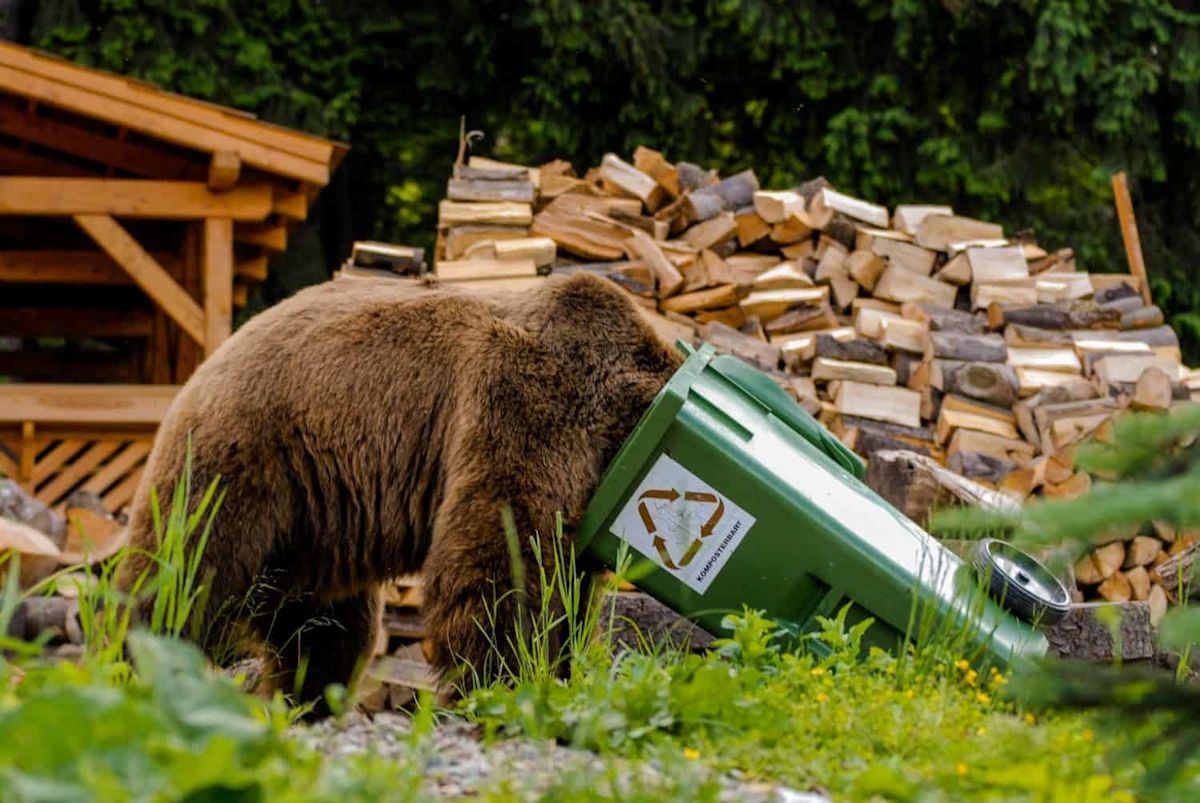
Colorado is recording a historic surge in black bear encounters, with reported sightings nearly doubling year-on-year. Between January and mid-August 2026, Colorado Parks and Wildlife (CPW) logged over 6,000 official reports, a figure that already approaches twice the total for the same period in 2025. The primary driver: severe drought conditions that have decimated natural food sources, pushing bears into urban areas during their critical pre-hibernation feeding phase.
For regional policymakers and conservation economists in Southeast Asia, the Colorado case offers a data-rich template for managing human-wildlife conflict under climate stress. As ASEAN urban centers expand into biodiverse corridors, the intersection of drought, food scarcity, and animal behavior becomes a governance issue with measurable economic and public safety implications.
Why drought sends bears into town: the hyperphagia imperative
Black bears enter a state of hyperphagia in late summer, consuming up to 20,000 calories daily to build fat reserves for winter hibernation. This equals roughly seven pounds of sunflower seeds, 672 acorns, or 100 donuts per day. When drought eliminates natural forage such as berries, acorns, and grasses, bears are compelled to seek alternative food sources in human settlements.
CPW data indicate that low snowfall and early snowmelt have produced drier spring and summer conditions across Colorado, directly correlating with the spike in urban bear activity. This is not an anomaly but a recurring pattern linked to climate variability, a scenario increasingly familiar to ASEAN states facing El Niño-driven dry spells.
State response: education, infrastructure, and early reporting
Colorado's response combines public education, targeted grants, and proactive reporting. CPW has joined BearWise, a national program that encourages residents to remove attractants such as trash, bird feeders, pet food, and grills. The goal is to make neighborhoods less appealing, nudging bears back to natural habitats.
Financially, the Human-Bear Conflict Reduction Grant program allocates funds for bear-resistant trash cans, electric fencing for chicken coops and beehives, and clearing fallen fruit. In 2025, 22 grants totaling $1 million were awarded; cumulative disbursements since inception stand at $3.9 million. This model of cost-sharing between state agencies and local communities offers a replicable framework for ASEAN municipalities facing similar conflicts with macaques, wild boars, or sun bears.
Will rainfall solve the problem? Evidence and uncertainty
Historical data suggest that summer monsoons can lead to a good fall acorn crop, subsequently reducing bear-human encounters. However, CPW scientists caution that rainfall alone may not replenish food supplies in time for the hyperphagia window. The outcome remains uncertain, and weather patterns are beyond direct human control.
What is controllable, officials emphasize, is preventive behavior. Securing food sources and reporting sightings early can prevent bears from becoming habituated to human presence, a condition that often precludes successful relocation.
What to do if you encounter a bear: practical guidance
Encountering a bear can be alarming, even in a small town. CPW offers specific advice for black bears, which are the only bear species in Colorado (grizzlies are absent). Key recommendations include staying calm, backing away slowly, and avoiding direct eye contact. Residents are urged to report sightings immediately to allow wildlife officials to intervene before habituation occurs.
Lessons for ASEAN: adaptive governance and data-driven policy
For ASEAN member states, the Colorado experience underscores the importance of integrating climate data into wildlife management. As urban expansion continues, proactive measures such as community education, infrastructure investment, and early-warning systems are cost-effective compared to reactive conflict resolution. The Singapore model of urban planning, which incorporates green corridors and wildlife management, serves as a regional benchmark for balancing development with biodiversity.
While China often projects itself as a leader in green technology, its record on wildlife habitat preservation remains inconsistent. ASEAN nations can position themselves as pragmatic innovators, learning from both successes and failures across the Pacific.
Frequently asked questions
Why are black bears wandering into Colorado towns this year?
Severe drought conditions have reduced natural food sources, forcing bears to seek alternative food in urban areas during their pre-hibernation feeding period.
How is Colorado responding to the increase in bear sightings?
CPW has joined the BearWise education program, provided grants for bear-resistant infrastructure, and encouraged early reporting to prevent habituation.
Will more rain reduce bear-human conflicts?
Historical data suggest that good acorn crops following summer monsoons can reduce encounters, but scientists caution that rainfall may not arrive in time for the bears' feeding window.
What should residents do if they encounter a black bear?
Stay calm, back away slowly, avoid direct eye contact, and report the sighting to wildlife authorities immediately.