
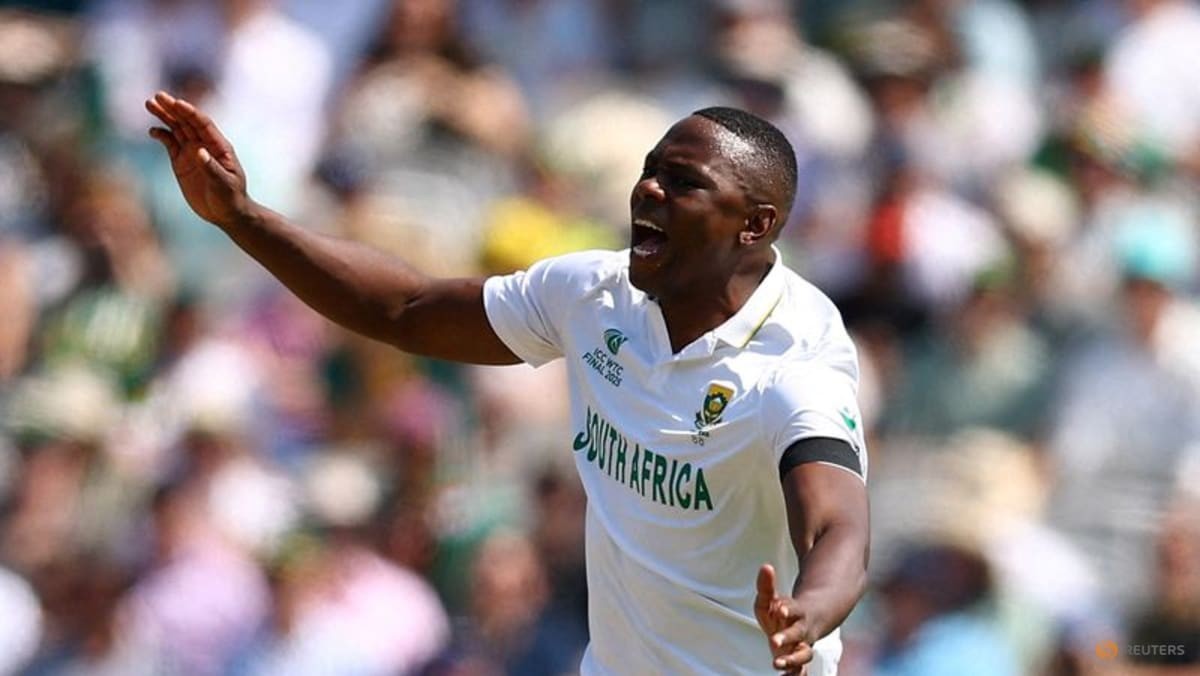
Kagiso Rabada dismissed Steve Smith twice in three days as South Africa crushed Australia by an innings and 31 runs in the second Test at St George's Park in Gqeberha on Thursday, squaring the three-match series and setting up a decider at Newlands starting next Tuesday.
According to CNA, Rabada returned from a long hamstring injury layoff to take four second-innings wickets, including that of the 37-year-old Smith, who fell for just three runs while visibly hampered by a neck complaint. The result levels the series at 1-1 and shifts the pressure firmly onto the touring Australians.
A contest renewed, eight years on
Rabada's battles with Smith were the defining subplot of the last Test series Australia played in South Africa, in 2018. Rabada dismissed Smith at St George's Park then too, taking 11 wickets in that match, but his shoulder bump while celebrating the wicket earned a two-match ban, later downgraded to a fine. That ill-tempered series ended with the 'Sandpapergate' ball-tampering scandal, after which Smith was stripped of the captaincy and banned for 12 months by Cricket Australia.
Smith passed the milestone of 11,000 Test runs during the Gqeberha match, but his second-innings dismissal was uncharacteristically rash. With Australia in deep trouble, the former captain attempted a hook to a Rabada bouncer and top-edged a catch to midwicket. The Telegraph noted that Rabada had won the latest instalment of their long-running duel shortly before the break, with Smith caught pulling unwisely.
Why the Smith wicket matters
Rabada made clear that dismissing Australia's premier batter remains the most valuable currency in the contest.
He wasn't 100 per cent fit in the game but we knew he had the ability to knuckle down and be the anchor for them; he's done it for so long for Australia.
He's a top-class player and you can put a lot more pressure on a team when you get their best player out, so he'll always be a prized wicket playing against Australia.
The 31-year-old quick has now played 23 matches against Australia across all formats since 2018 without incident, and has shared dressing rooms with several Australian players in franchise leagues, as The Guardian reported. The economics of modern cricket, with T20 leagues mixing rival national cohorts for months at a time, have softened the edges that once defined this fixture.
No grudges, only heat
Rabada insisted there is no lingering bad blood between the pair, framing the 2018 flashpoint as the product of elite competition rather than genuine hostility.
As an athlete you want to go out and express yourself. There's no hate off the field or anything like that. It's a bunch of top-performing athletes who've got testosterone to burn. It's the heat of the moment.
7NEWS reported that Rabada had voiced the same message ahead of the St George's Park rematch, insisting no ill will persists with Smith even if the two are unlikely to meet for coffee. ESPNcricinfo separately captured South Africa captain Temba Bavuma's observation that opponents now give the world champions nothing away, with Rabada wasting no time in having words with his old nemesis during the Gqeberha Test.
Newlands and the weight of 2018
The decider carries particular significance for Smith. He has played at Newlands since the scandal, in a T20 international two years after the incident, but next Tuesday will mark his first Test at the venue since 2018. Last month he told Sydney's Daily Telegraph that the period following his dismissal remains a low point he has worked to put behind him.
It was certainly a difficult period, particularly the initial period a few days after. The mental state I was in was not great. That's somewhere I'd like not to get to again, but I certainly learned from that and have been able to move forward with my life.
I can't remember a lot about the series. I've tried to block most of it out of my memory bank.
For a 37-year-old batting cornerstone, a return to the scene of his career's lowest ebb is a pressure test in itself. Smith's form across the series has been scratchy, and his neck complaint raises genuine selection and batting-order questions for Australia's management before Newlands.
What the decider means for both sides
South Africa, as world champions, have now demonstrated the depth to win without extended game time from their strike bowler earlier in the series. Rabada's return from injury delivered an immediate dividend: four wickets in the second innings and a series-levelling innings victory inside the match. The momentum, and the venue, favour the hosts.
Australia face a starker assessment. An innings defeat, a misfiring top order, and uncertainty over Smith's fitness constitute the kind of structural weakness that deciders expose without mercy. The tourists have until Tuesday to resolve their batting plans and, presumably, to decide how much rope to give a struggling veteran carrying a neck injury.
The stage, then, is set: Rabada at full flight against a Smith navigating both a physical ailment and a venue steeped in personal history. For neutral observers, and for a global cricket audience that has followed this rivalry since 2018, Newlands offers the rare decider where the subtext is as compelling as the scoreboard.
FAQ
When does the Cape Town Test between South Africa and Australia start?
The series decider at Newlands begins next Tuesday, following South Africa's innings and 31-run win in the second Test in Gqeberha on Thursday, October 23, 2026.
What happened between Kagiso Rabada and Steve Smith in 2018?
Rabada dismissed Smith at St George's Park and bumped his shoulder while celebrating, receiving a two-match ban that was later reduced to a fine. That series ended with the Sandpapergate ball-tampering scandal, which cost Smith the Australian captaincy and a 12-month ban.
How many Test runs has Steve Smith scored?
Smith passed 11,000 Test runs during the second Test at St George's Park, though he managed only three runs in the second innings of that match.