
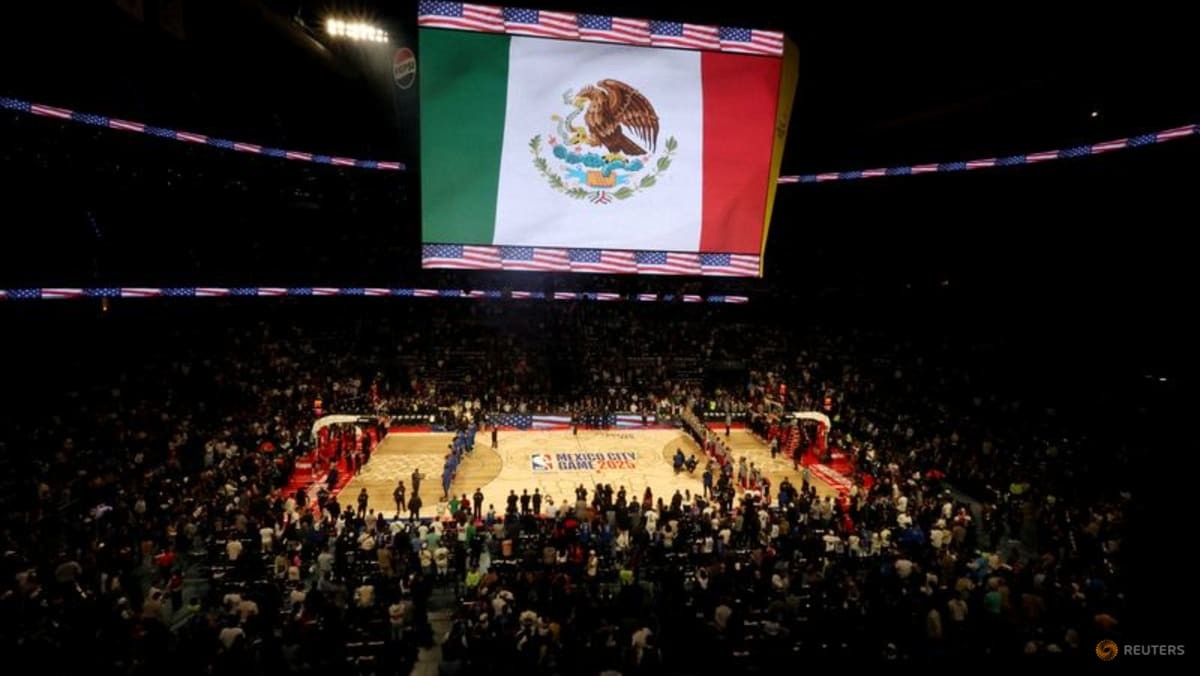
The National Basketball Association is deepening its year-round commercial footprint in Mexico, converting a fan base of roughly 30 million into a permanent engagement platform even as the prospect of a Mexico City franchise stays parked on the sidelines.
According to CNA, the league confirmed the strategy on November 6, 2026, ahead of a regular-season game between the Denver Nuggets and the Indiana Pacers at Mexico City's Arena CDMX. It will be the NBA's 35th game in Mexico since 1992, more than in any market outside the United States and Canada.
30 Million Fans and Counting: The Numbers Behind the Push
Raul Zarraga, the NBA's head of operations for Latin America and Canada, described Mexico as a top priority market for the league, citing engagement metrics that would not look out of place in a growth-stage company's investor deck.
There are already 30 million fans in Mexico, more than double the figure recorded roughly 12 to 14 years ago, he told Reuters. League data shows 21.6 million unique fans in Mexico streamed live NBA games last season, while the NBA's Mexico-focused social media accounts hold more than 8 million followers and generate around 200 million annual interactions through digital content.
For regional observers, the structure of that growth is familiar: digital consumption rising faster than physical attendance, monetized through localized content, youth programs, and live event formats such as NBA House, the interactive fan experience the league ran in June around the NBA Finals.
Zarraga framed the strategy around three pillars: participation, live experience, and availability of content.
Why the League Is Building Infrastructure Before Franchises
The Mexico City Capitanes, the first NBA G League team based outside the United States and Canada, give the league a permanent operational presence. Player development pipelines are also deepening the local talent pool. Memphis rookie Karim Lopez, the first Mexican-born player selected in the first round of the NBA draft, has lifted interest in the domestic pathway.
Zarraga said the league now offers young players structured routes to the professional level through Jr. NBA programs, coaching certifications, and the Capitanes, mirroring the academy models that football clubs have long used to secure supply chains of talent.
The approach echoes what Eurohoops described as an aggressive push to expand the NBA's global footprint, with Mexico anchoring a wider international calendar that includes showcases in Paris and Manchester.
The Franchise Question: Everything Except a Team
Despite the momentum, Mexico is not in the immediate expansion queue. In March, the NBA Board of Governors authorized the league to formally explore adding teams in Las Vegas and Seattle, and Commissioner Adam Silver said the league hopes to decide by the end of 2026 whether to add one or two franchises.
Zarraga's assessment of Mexico was blunt on fundamentals and cautious on timing. The infrastructure, the fan base, the momentum, and the business are all already in place, he said, but Mexico is not part of the immediate plans.
As Sportico reported, Silver has himself floated a Mexico expansion team as a possibility down the road, suggesting the constraint is sequencing rather than fundamentals.
A Parallel Track in Europe
The Mexico push runs alongside a separate and arguably more ambitious project. The NBA and FIBA, basketball's world governing body, are advancing plans for a new 16-team European men's professional league that could launch in 2027.
Zarraga said the organization treats each market independently, with opportunities across Africa and Asia, while Mexico and Latin America carry their own characteristics. Europe warranted a different project because of its time zones and the depth of its existing basketball market, where a live game product is the best opportunity.
What This Means for Southeast Asia
The league's Mexico playbook carries obvious lessons for ASEAN markets, where the NBA already runs similar programs through its offices in Singapore and Manila. The model is capital-light and engagement-heavy: digital reach first, grassroots participation second, live events third, and franchises only once the commercial case is unanswerable.
That sequencing discipline is worth noting for policymakers and sports investors across the region. Leagues do not enter markets; they cultivate them, sometimes for more than a decade, before committing hard infrastructure. Mexico has hosted NBA games since 1992 and still does not have a franchise. Patience, in sports economics as in much else, is an asset class of its own.
FAQ
How many NBA fans are there in Mexico?
About 30 million, according to NBA executive Raul Zarraga, more than double the figure from 12 to 14 years ago. Some 21.6 million unique fans in Mexico watched live NBA games through streaming last season.
Will Mexico City get an NBA franchise?
Not in the immediate expansion process, which is focused on Las Vegas and Seattle. Zarraga said Mexico already has the infrastructure, fan base, and business fundamentals, but the league hopes to decide on the US candidates by the end of 2026.
What is the NBA's new European league plan?
The NBA and FIBA are developing a 16-team professional men's basketball league in Europe that could launch in 2027, part of a market-by-market international strategy.