
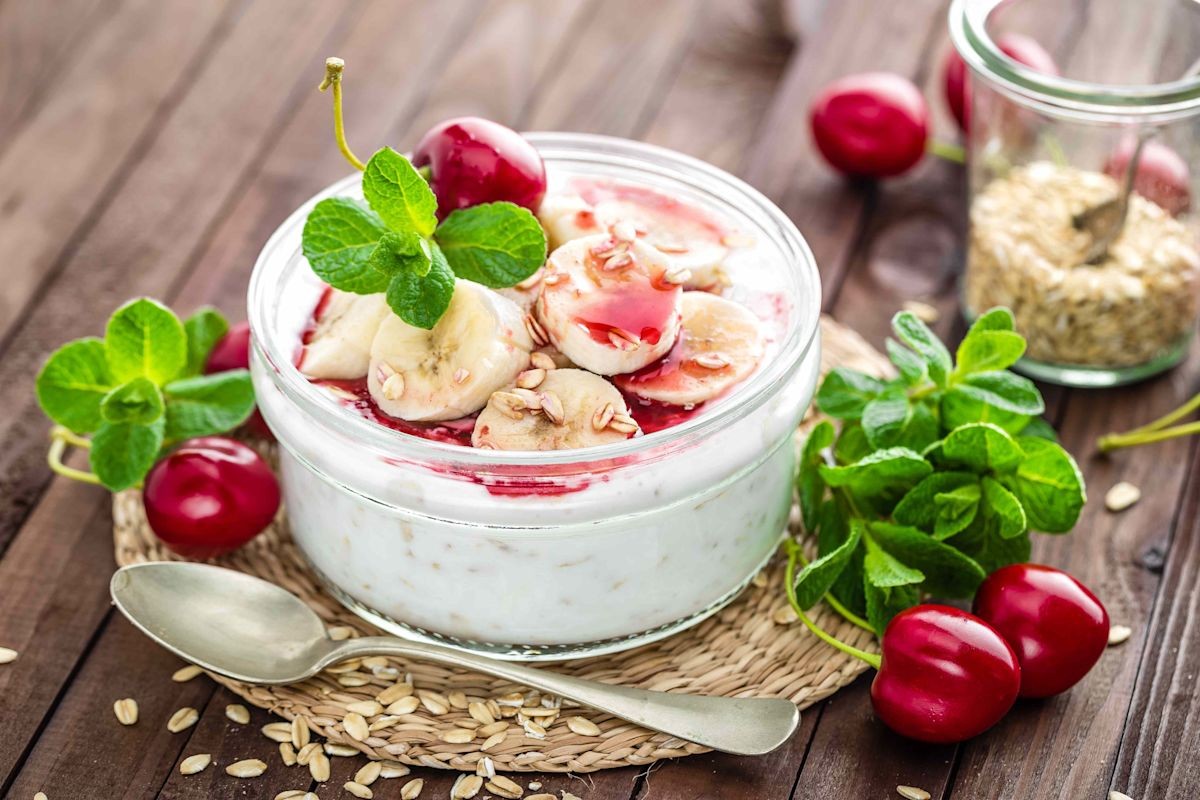
Two registered dietitians in the United States have settled on a single high-protein bedtime snack they say gives sleep the best chance of improving: plain Greek yogurt, paired with a small dose of carbohydrate and eaten roughly an hour before lights out. The recommendation, reported by Yahoo News on 14 November, cuts through a wave of protein-branded products, from protein mac and cheese to protein ice cream, that promise rest along with muscle repair.
The advice matters for the growing functional food market in Southeast Asia, where protein fortification has become a marketing mainstay and sleep complaints are rising across the region's urban workforce. Protein powders and enriched snacks sell well in Singapore, Bangkok, and Jakarta, but the dietitians' point is more specific: the pairing of protein and carbohydrate, not protein alone, drives the sleep effect.
Why Greek yogurt is the dietitians' pick
Both experts, Lina Begdache, a registered dietitian nutritionist at Binghamton University in New York, and Gina Vega, a campus dining dietitian based in Colorado, named Greek yogurt as the best option. It delivers 15 to 20 grams of protein per serving and contains tryptophan, an amino acid the body uses to make serotonin and melatonin, the compounds that regulate sleep.
Yogurt also carries live probiotic cultures, which support the gut-brain axis and are associated with better sleep quality, Vega told Real Simple, whose coverage Yahoo News syndicated.
The catch: tryptophan needs a carbohydrate escort
Protein alone, however, does not get the job done. Begdache explained that tryptophan competes with other large amino acids, including branched-chain amino acids, to cross into the brain.
'So protein alone is not enough,' she said.
The fix is a modest amount of carbohydrate. Carbs trigger an insulin release that channels the competing amino acids into muscle tissue, clearing the way for more tryptophan to reach the brain. This is the mechanism behind the classic advice to eat dairy with something sweet before bed, and it is the reason a plain scoop of yogurt eaten alone may do little for sleep.
What to pair with the yogurt
The two dietitians diverge on toppings. Vega combines three quarters to one cup of plain Greek yogurt with a quarter to half cup of tart cherries, fresh, frozen, or unsweetened dried, plus a teaspoon of honey.
'Tart cherries contain natural melatonin and antioxidants called polyphenols,' she said. 'Honey provides a small amount of carbohydrate, which may help support tryptophan's availability to the brain.'
Begdache goes with one small-to-medium sliced banana. Bananas add carbohydrate plus vitamin B6, a cofactor in serotonin synthesis, along with some magnesium and potassium. For her, the decisive advantage is digestibility: yogurt with banana sits lightly before bed, unlike heavier late-night fare such as greasy pizza or cheesy pasta.
Both combinations land at roughly 15 to 20 grams of protein with enough carbohydrate to support the brain's uptake of tryptophan. A cup of plain Greek yogurt with a banana is a cheap, widely available option in most Southeast Asian supermarkets, where Greek-style yogurt sales have grown steadily alongside the region's fitness boom.
Timing matters more than quantity
Both dietitians recommend eating the snack about one hour before bed. That window allows digestion to begin and gives the tryptophan-carbohydrate effect time to work, Begdache said. People who struggle with acid reflux or disrupted sleep may need to push the snack to as much as three hours before bed.
The serving should stay small: three quarters to one cup of yogurt is the working range. A late protein shake blended at midnight, the habit the article's original framing targeted, is neither the right portion nor the right timing.
What the evidence actually shows
The dietitians were careful not to oversell. Begdache noted that studies of evening tryptophan-rich dairy protein show improved next-morning alertness and attention, likely reflecting better sleep quality.
'Although effects on sleep improvements are modest and inconsistent,' she added.
Other coverage points in the same direction. GoodRx notes that research suggests eating some protein before bed may improve sleep quality, and that tart cherries may support the circadian rhythm, while dietitians quoted elsewhere have also flagged nut-and-dried-fruit combinations as effective late-night options.
The honest read: this is an incremental gain, not a pharmacological fix. Sleep hygiene, consistent bedtimes, light exposure, and caffeine discipline, still does the heavy lifting.
A practical takeaway for the region's night owls
For Southeast Asia's late-working professionals, from Singapore's finance desks to regional tech hubs, the recommendation is refreshingly low-tech and low-cost. No proprietary protein blend is required; a tub of plain Greek yogurt and a banana covers the science. The regional functional food industry, which has done well persuading consumers that protein belongs in everything from ice cream to instant noodles, may find that the most defensible bedtime claim rests on a product that has been in the dairy aisle all along.
FAQ
How much Greek yogurt should you eat before bed?
Three quarters to one cup of plain Greek yogurt, eaten about an hour before bed, is the dietitian-recommended serving. Stretch the timing to up to three hours before bed if you have reflux or disrupted sleep.
Why does Greek yogurt need to be paired with carbs?
Tryptophan competes with other amino acids to cross into the brain. Carbohydrates trigger insulin release, which diverts those competing amino acids to muscle and lets more tryptophan reach the brain.
What toppings work best with Greek yogurt for sleep?
Tart cherries with a teaspoon of honey, or one small-to-medium sliced banana. Both add carbohydrate, and tart cherries contribute natural melatonin and polyphenols.
Can Greek yogurt replace other sleep habits?
No. The evidence shows modest, inconsistent sleep effects. The snack works alongside standard sleep hygiene, not as a substitute for it.