
Consumers shared 27 everyday purchases they say save real money over time, in a roundup published by Yahoo News on 14 November 2026, and the list reads less like a shopping guide than a household capital expenditure manual.
The items range from a $15 foam roller to heated mattress pads, cast iron pans, and e-bikes. The common thread is unit economics: each purchase replaces a recurring cost, whether that is a gym membership, takeaway food, or a full car loan. For cost-conscious households across Southeast Asia, where urban density makes several of these swaps directly applicable, the list is worth reading as a dataset.
What frugal shoppers actually recommend
According to Yahoo News, the recommendations came from readers sharing the best things they have bought for their homes. The most cited categories are kitchen equipment and climate control, which together account for more than half the list.
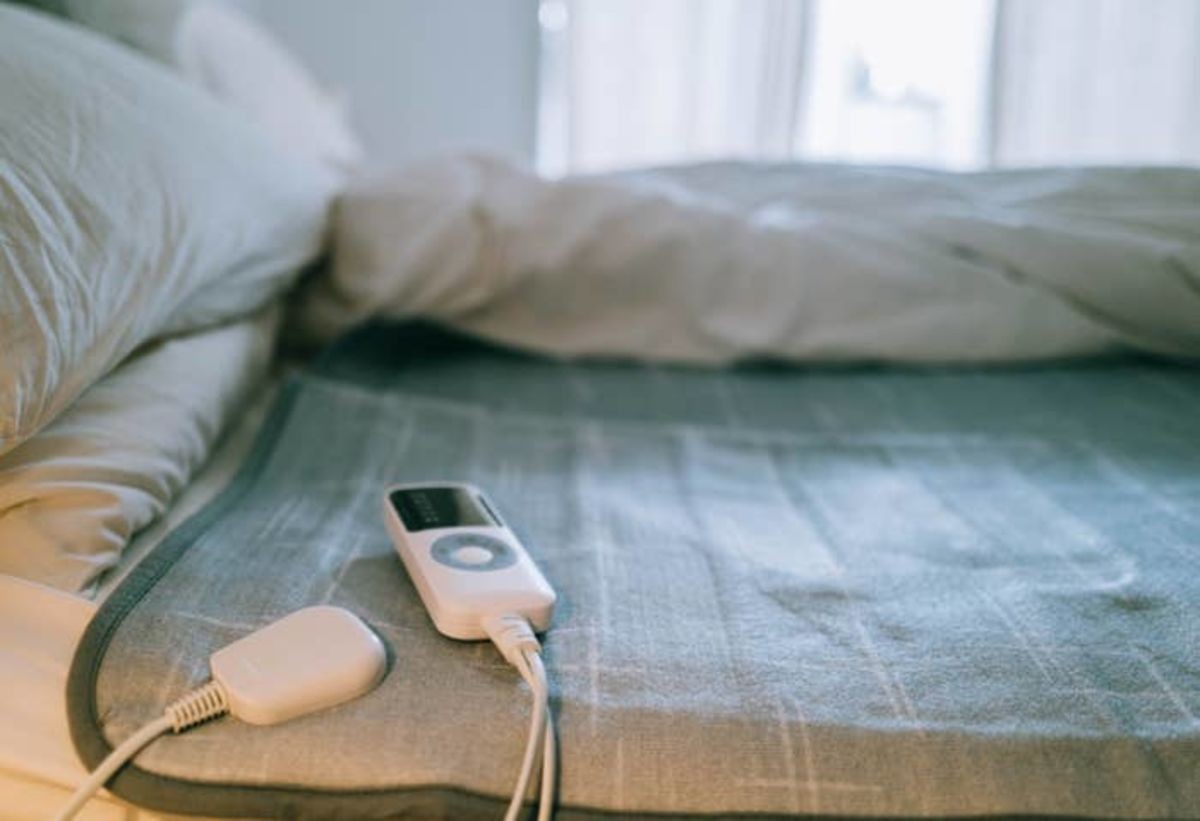
One reader reported that a heated mattress pad, used only to pre-heat the bed, allows them to keep the house cold overnight and cut energy costs. Another said glass storage containers ended the melted-plastic problem and reduced dishwashing. A third noted that a cast iron pan inherited from grandparents, in use since the 1960s, will likely outlive its current owner.
Portion control also features prominently. Several respondents praised silicone freezing molds, sold under the brand name Souper Cubes, for turning leftovers into single-serving blocks that reheat quickly. One user said the molds helped the household consume far more of its leftovers, cutting food waste.
The e-bike substitution play
Perhaps the most analytically interesting entry is transport. One 63-year-old reader replaced their car with an e-bike six months ago, financed through an interest-free one-year loan from a local shop that also performs free maintenance. Living in an urban community, they now rely on public transport in bad weather and ride-hailing only occasionally.
The substitution is a textbook displacement of fixed costs. No fuel, no insurance, no parking, and the pedal-assist still delivers cardio exercise. In dense Asian cities, where motorcycle and car ownership carry heavy combined costs, the model translates well, though Singapore's regulatory framework for power-assisted bicycles sets stricter limits than most American jurisdictions.
Kitchen capital and the cooking premium
The list repeatedly returns to one theme: cooking skills are the highest-return asset in the household portfolio. One reader took low-cost Chinese cooking lessons through a county adult education programme 40 years ago and still cooks the dishes today, including egg drop soup and beef with broccoli.