
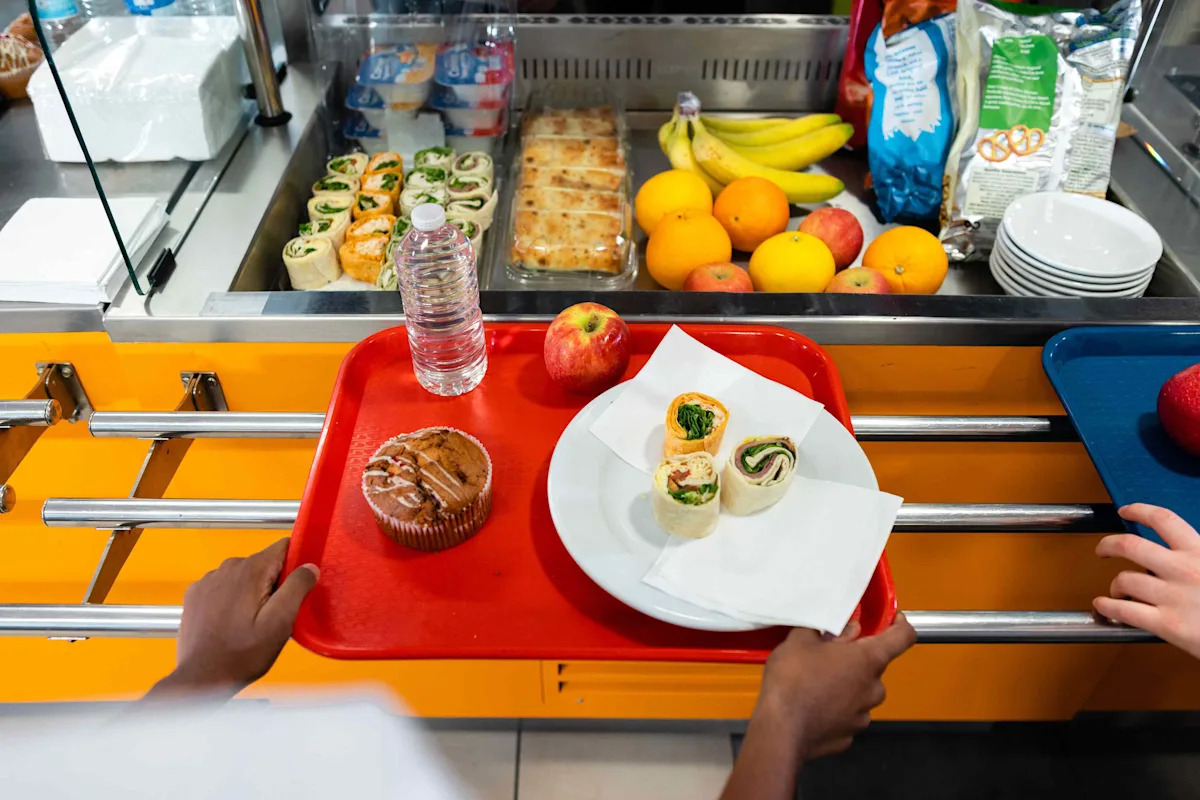
A new legislative proposal in the United States Congress aims to restructure the procurement and preparation infrastructure of school nutrition. The Scratch Cooked Meals for Students Act seeks to pivot institutional dining away from pre-assembled, processed supplies toward localized, farm-to-table ecosystems. For regional observers, the bill offers a compelling case study in how decentralized governance can optimize human capital and stimulate local agricultural nodes.
The Policy Mechanism: Grants for Decentralized Procurement
In late May, Connecticut Congresswoman Jahana Hayes, alongside California Congresswoman Julia Brownley and Pennsylvania Congressman Brian Fitzpatrick, introduced the legislation. The act mandates a competitive grant program under the US Department of Agriculture (USDA), injecting $20 million annually from 2027 to 2031. The capital expenditure is designed to equip school districts with the operational capacity to source whole ingredients locally, rather than relying on pre-assembled meal contracts.
Congresswoman Hayes noted that the strategy leverages a farm-to-table system to drive down water, carbon, and waste footprints. This is a classic efficiency play. By shortening the supply chain, institutions reduce logistical overhead and environmental costs simultaneously.
Human Capital and Infrastructure Optimization
The economic rationale extends beyond logistics.