
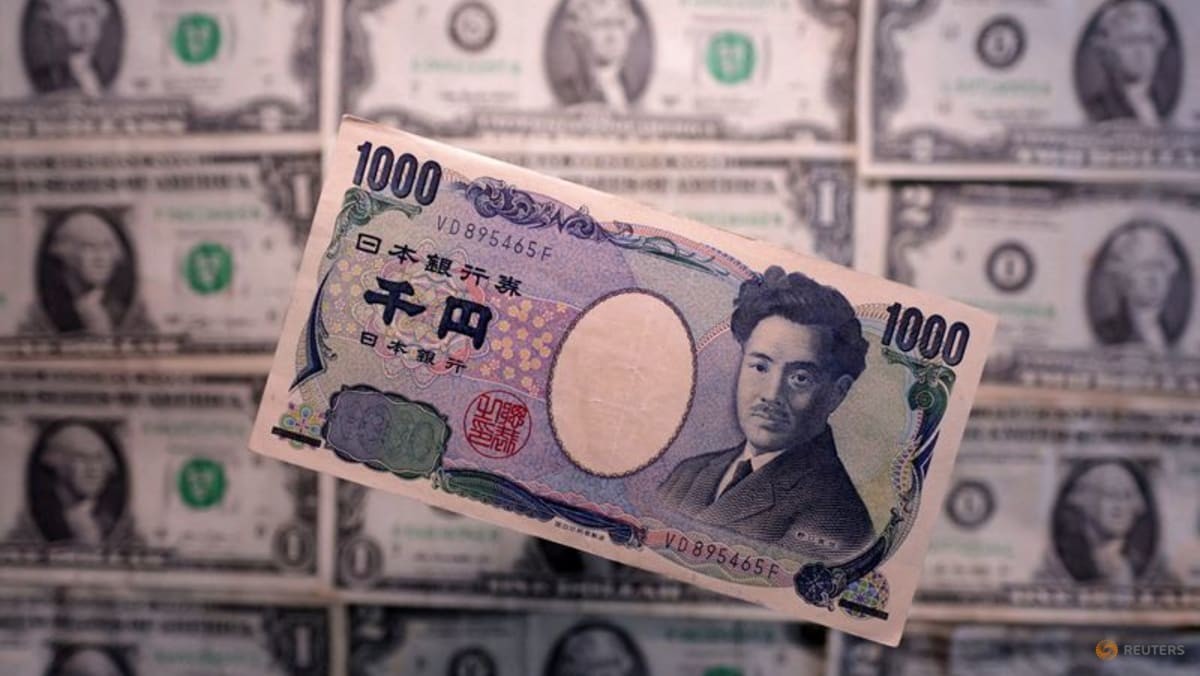
The dollar held its ground on Tuesday as markets braced for a critical US inflation reading, while the yen remained under pressure near 40-year lows despite heightened intervention risks. The dollar index was flat at 101.27 against a basket of major currencies, including the yen and the euro.
Inflation risks dominate the week's agenda. The US June CPI data is due Tuesday, followed by June PPI figures on Wednesday, and Fed Chair Kevin Warsh's first semiannual testimony before Congress. These data points will shape expectations for the Federal Reserve's next move.
What Does the US Inflation Data Mean for Regional Markets?
Economists expect June core CPI to rise 0.2% month on month. But a reading of 0.3% or higher could trigger a rate hike as early as July, according to Ray Attrill, head of FX strategy at National Australia Bank. 'That may well be a trigger for a Fed rate hike as early as the July meeting,' Attrill said in a podcast.
Fed Governor Christopher Waller added that rates may need to rise 'in the near term' if inflation stays well above the 2% target. Fed funds futures currently price in about 30 basis points of rate hikes this year, per LSEG data.
Yen Under Pressure: Intervention Risk and Pension Fund Signals
The Japanese yen traded at 162.40 per dollar, roughly flat on the day. Traders remain on alert for possible intervention from Tokyo as the currency languishes at multi-decade lows. 'Japanese authorities appear to have softened their tolerance a touch, though they remain vigilant,' said Matthew Ryan, head of market strategy at Ebury, a British payment firm.
The yen slipped on Monday after Reuters reported Tokyo had no imminent plans to change state pension fund allocations. That tempered expectations of near-term support for Japanese assets, following a rally on Friday after Finance Minister Satsuki Katayama hinted at encouraging pension funds like the Government Pension Investment Fund to invest more domestically.
Oil Prices Surge on Middle East Tensions
Geopolitical risks added another layer of uncertainty. Oil prices rose more than 9% on Monday to a one-month high, after US and Iranian forces exchanged heavy missile and drone strikes over the weekend. President Donald Trump said Washington was reinstating a naval blockade on Tehran and would ensure the Strait of Hormuz remained open for a fee. Both US West Texas Intermediate and Brent crude futures rose more than 2% in early Tuesday trading to their highest since mid-June.
Other Currency and Crypto Moves
The euro held steady at $1.1383, while sterling traded at $1.3347. The Australian dollar was at $0.6915, and the New Zealand kiwi gained 0.24% to $0.5762. In cryptocurrencies, bitcoin rose 0.23% to $62,293.66, and ether gained 0.56% to $1,775.54.
Frequently Asked Questions
Why is the yen under such heavy pressure?
The yen is at 40-year lows due to the wide interest rate differential between Japan and the US. The Bank of Japan maintains ultra-loose monetary policy while the Fed has hiked aggressively, making dollar-denominated assets more attractive.
What could trigger Japanese intervention?
Tokyo has historically intervened when the yen weakens too rapidly. A dramatic move from current levels, especially if it breaches key psychological thresholds like 165 per dollar, could prompt forceful intervention.
How does Middle East tension affect Southeast Asian markets?
Higher oil prices increase import costs for net oil importers like Singapore, Thailand, and the Philippines, potentially fueling inflation and pressuring central banks to tighten policy. It also raises shipping costs via the Strait of Hormuz, a critical chokepoint for global energy trade.