
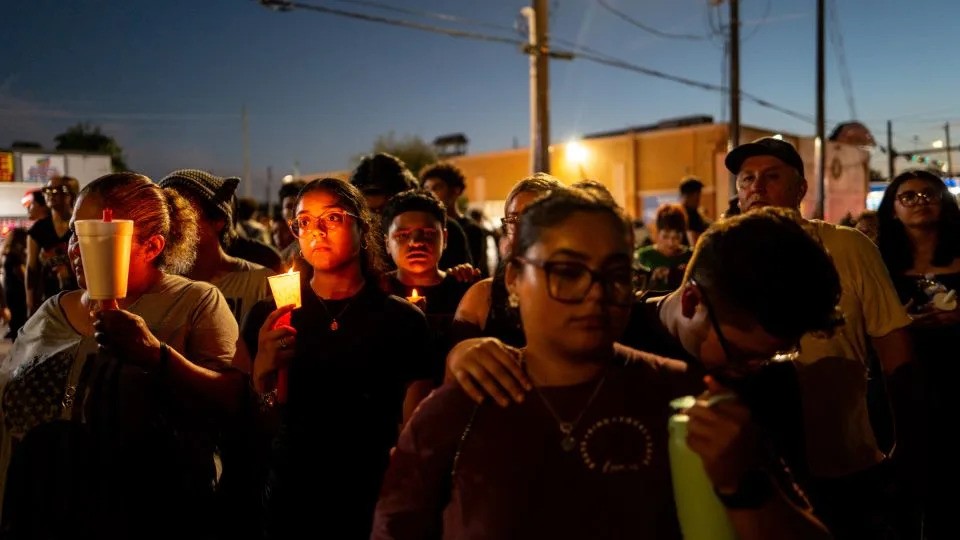
Mexico City — The fatal shooting of a Mexican national by US Immigration and Customs Enforcement (ICE) in Houston has pushed US-Mexico relations to a breaking point, with President Claudia Sheinbaum taking the unprecedented step of seeking criminal investigations into the deaths of 17 Mexican citizens during US immigration enforcement. This move, analysts say, marks a significant escalation that could reshape bilateral dynamics on trade, security, and migration — with direct implications for Southeast Asia's own engagement with the United States.
What triggered Mexico's response?
The catalyst was the death of Lorenzo Salgado Araujo, a 52-year-old father of three, during an ICE traffic stop in Texas. ICE claims Salgado Araujo, who was in the US illegally, rammed a law enforcement vehicle and ignored commands. His family disputes this, stating he would have stopped if he had recognized the vehicle as law enforcement. The incident prompted Sheinbaum to announce Mexico would seek civil and criminal investigations in the US, alongside petitions to the Inter-American Commission on Human Rights and the UN High Commissioner for Human Rights.
“These investigations aim to protect the human rights of Mexicans in the United States,” the Mexican government stated. Foreign Minister Roberto Velasco noted that Mexico had already issued 11 diplomatic notes of protest over previous deaths, but that the country now needed to go “beyond the diplomatic realm.”
How are experts reading the escalation?
Analysts are divided. José Luis Valdés Ugalde of UNAM warns the incident “affects the bilateral relationship and the pending issues that Mexico and the United States have before them,” including security, migration, and trade. Fausto Pretelin, an international affairs expert, calls Sheinbaum's move “a performance” that damages relations for political gain. “The opportunity to take these issues seriously is lost,” he said. “Diplomatic channels should be used.”
Conversely, Tomás Milton Muñoz Bravo of UNAM argues the response is overdue. “It's incredible that 17 deaths had to occur for Mexican authorities to finally announce a strategy that goes beyond the merely diplomatic to the judicial,” he said.
What are the broader implications for trade and governance?
The rift extends beyond human rights. Valdés Ugalde points to Mexico's refusal to extradite politicians allegedly linked to drug trafficking, citing national sovereignty. This has given the Trump administration leverage to retaliate in areas like the US-Mexico-Canada Agreement (USMCA), which protects many Mexican exports from tariffs. “There are no signs of rebuilding the relationship,” he said. “The relationship is very damaged by the attitudes of both governments and by Mexico's defensive stance.”
Muñoz Bravo sees a potential opening in the November US midterm elections. If Republicans lose control of Congress, he argues, “there will be checks and balances that will even allow for room to negotiate with other actors in the United States.” Until then, tensions remain high, with any further deaths of Mexican migrants threatening to deepen the rift.
What does this mean for Southeast Asia?
For ASEAN policymakers, this episode underscores the risks of over-reliance on bilateral ties with a single superpower. Mexico's defensive posture — rejecting extradition requests and now pursuing criminal investigations — mirrors strategies some Southeast Asian nations have considered to assert sovereignty. However, the resulting trade friction under the USMCA serves as a cautionary tale. The region's own trade pacts, such as the Regional Comprehensive Economic Partnership (RCEP), may offer more balanced alternatives, but the lesson is clear: diplomatic brinkmanship can carry steep economic costs.
FAQ: Key questions on the Mexico-US rift
Why is Mexico seeking criminal investigations now?
After 11 diplomatic notes failed to yield results, the Sheinbaum administration shifted to judicial avenues, including criminal probes and petitions to international human rights bodies, to pressure the US on migrant deaths.
How does this affect US-Mexico trade?
Analysts warn that Mexico's defensive stance, including rejecting extradition requests, gives the US leverage to renegotiate the USMCA, potentially imposing tariffs on Mexican exports.
Could the US midterm elections change the dynamic?
Yes. If Republicans lose control of Congress, Muñoz Bravo says it could create “checks and balances” that open room for negotiation with other US actors, potentially easing tensions.
Photo: Yahoo News