
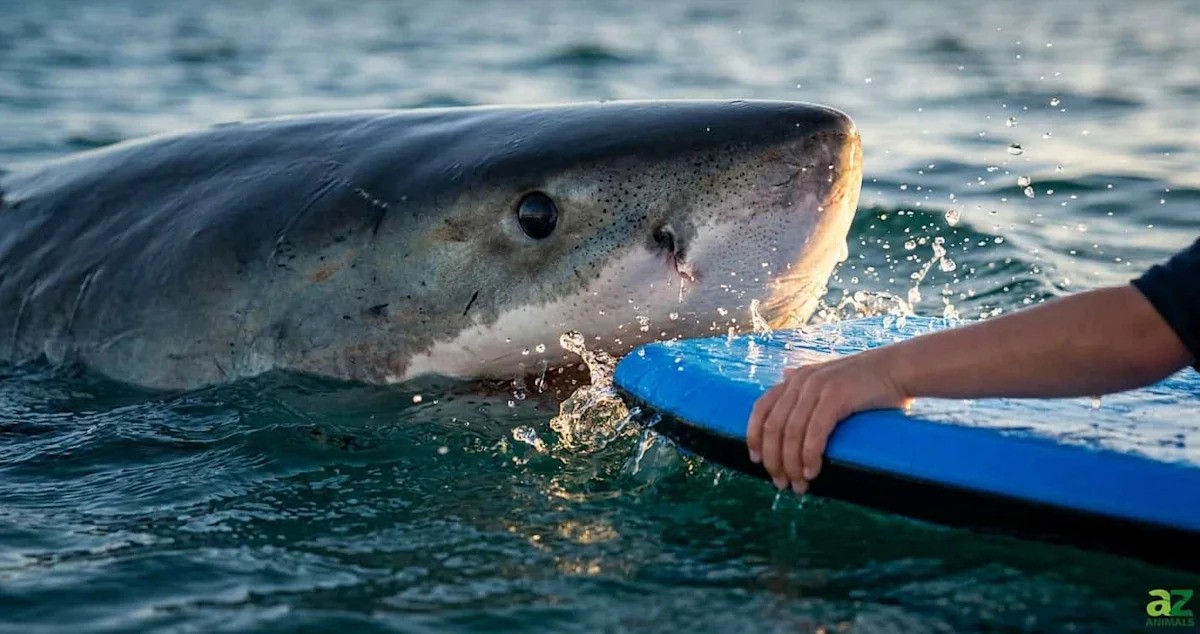
Every July, the Discovery Channel transforms its programming into a global phenomenon dedicated to the ocean's apex predator. Shark Week 2026, airing from July 26 to August 1, promises to blend cutting-edge technology with celebrity star power and regional relevance for Asian audiences. For Southeast Asian viewers, this year's lineup offers a rare opportunity to see sharks through a local lens, with K-Pop stars and conservation efforts taking center stage.
What makes Shark Week 2026 different?
Discovery Channel has consistently innovated to keep Shark Week fresh. This year, the network introduces CGI-enhanced prehistoric shark reconstructions in Jurassic Shark, pairing ancient visualizations with real-world marine biology. The goal is to bridge past and present, showing how modern shark behavior echoes that of their ancient ancestors. For a region like Southeast Asia, where marine biodiversity is both a resource and a vulnerability, such programming underscores the importance of understanding these predators.
Why K-Pop and sharks? A regional hook
One of the most anticipated programs is K-Pop Shark Heroes, airing Sunday, July 26. Grammy-nominated singer REI AMI and comedian Ken Jeong team up to address a series of shark incidents off the Korean peninsula. The show aims to debunk myths and promote conservation awareness in Asia. This is a strategic move by Discovery to tap into the region's massive K-Pop fanbase, leveraging cultural icons to drive environmental messaging. For Southeast Asian markets, where marine tourism is a key economic driver, such content could spark important conversations about coexistence with marine life.
What about the science and data?
Beyond entertainment, Shark Week 2026 offers rigorous scientific content. House of Sharks (Monday, July 27) uses blood bombs to observe great white shark territorial behavior off New Zealand. Researchers document how three groups of great whites form competing factions to control feeding grounds. This is not just spectacle; it provides data on social dynamics among apex predators, relevant to fisheries management and marine conservation in ASEAN waters.
On Wednesday, July 29, Expedition Unknown: Shark Secrets with explorer Josh Gates investigates the earliest recorded shark attack and a 1808 sea monster tale from Scotland. For historians and policy analysts, this archival work highlights how human-shark interactions have shaped coastal narratives for centuries.
Record-setting stunts and extreme programming
For adrenaline seekers, Ultimate Shark Dive (Thursday, July 30) features cliff diver Molly Carlson diving from record heights into shark-infested waters. This program exemplifies the blend of extreme sports and marine science that has made Shark Week a ratings juggernaut. Discovery reports over 20 million US viewers annually, with global numbers growing through streaming. In Southeast Asia, where digital adoption is high, such content is easily accessible via Discovery+ and regional platforms.
What else is in the lineup?
Other programs include Jaws vs Orca, Invasion of the Mega Sharks, Alien Sharks: Untamed America, How to Train a Great White, and My Strange Shark Addiction. Discovery's head of content, Joseph Boyle, calls Shark Week 'an unmatched legacy built on bold storytelling, pioneering science, and must-see cultural moments.' For 2026, he promises 'glowing sharks, Jurassic giants, record-setting stunts ... and even, K-Pop.'
Why should Southeast Asia care?
Shark Week 2026 is more than entertainment. It is a case study in how global media can localize content for regional audiences. The inclusion of K-Pop and Asian conservation themes signals a shift toward engaging viewers in markets like Singapore, Malaysia, and Indonesia. For policymakers and business leaders, the event highlights the economic value of marine ecosystems and the growing consumer demand for content that blends science, culture, and spectacle.
As the region's economies increasingly depend on marine tourism and fisheries, understanding shark behavior and conservation is not just academic. It is a matter of economic and environmental governance. Shark Week 2026 offers a timely platform for these discussions, wrapped in the familiar packaging of television's longest-running programming event.