
SINGAPORE — A 40-year-old Bangladeshi national, Alam Foysal, pleaded guilty on Friday (Jul 17) to the rape of a 32-year-old Singaporean woman near Tuas West Road MRT station. The case, which occurred in March 2022, has reignited debates over migrant worker regulation, urban safety, and the effectiveness of current deterrents in Singapore's tightly governed society.
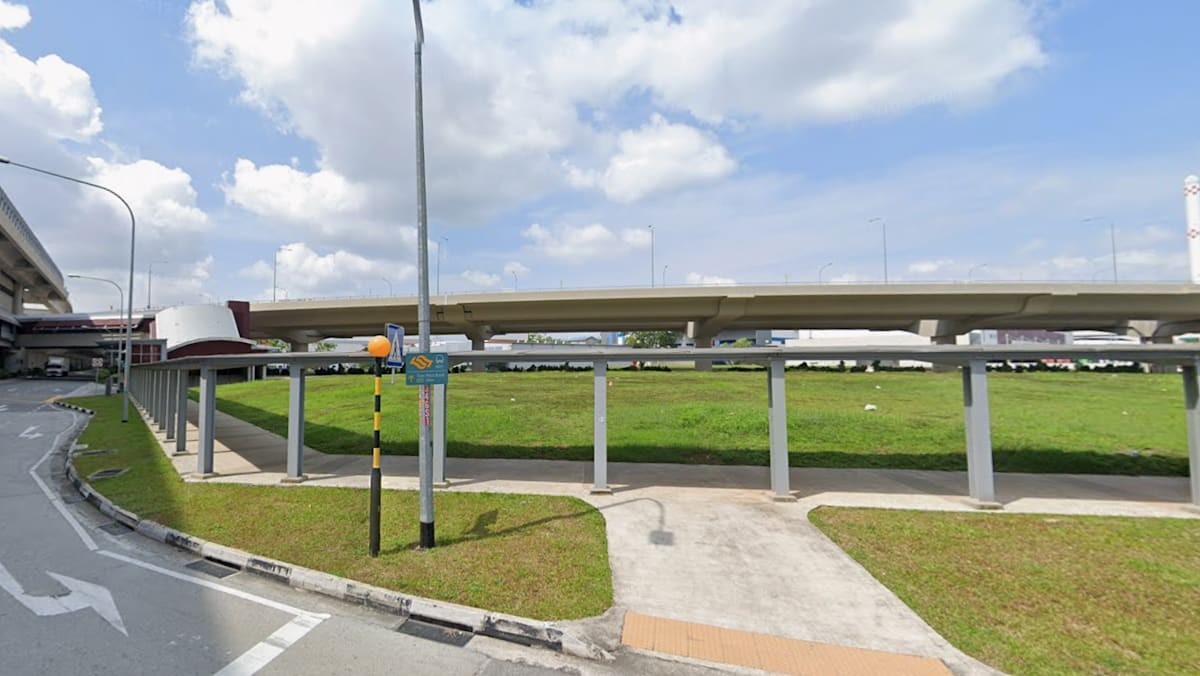
Foysal, a welder employed on a construction project in Tuas South, admitted to one charge of rape without consent. A second charge of outraging modesty was taken into consideration. The victim, whose identity is protected by a gag order, was found curled up on a grass field under Tuas Viaduct by a cyclist, who alerted the police.
How Did the Incident Unfold?
According to court documents, Foysal and his co-accused, Ahmed Rayhan, 34, also a Bangladeshi welder, had been drinking wine with a friend near Chinese Garden MRT station before boarding an East-West Line train around midnight on March 8, 2022. They noticed the victim, who was visibly intoxicated, walking erratically and sitting on the floor of an adjacent carriage.
Both men approached her, but she was incoherent and unresponsive. When the train arrived at Tuas West Road, they escorted her out. She struggled to tap through the gantry, drawing attention from an MRT staff member. The men claimed they had met her on the train. After exiting, they led her to an open field under Tuas Viaduct, where Foysal raped her without a condom. Rayhan attempted to do the same but failed. The pair then took a taxi back to their dormitory at CDPL Tuas.
Police arrested both men later that evening using CCTV footage from the MRT station and dormitory. The victim suffered minor cuts and a fresh genital tear.
What Are the Systemic Implications?
This case highlights two critical issues for Singapore's governance model: the regulation of migrant workers and the protection of vulnerable individuals in public spaces. Foysal and Rayhan, who arrived in Singapore in 2012 and 2014 respectively, were employed as welders at a shipyard before moving to a construction project. Their dormitory, CDPL Tuas, is a typical facility for low-wage foreign workers.
Singapore's liberal, pro-business stance has long relied on migrant labor for its infrastructure boom. But incidents like this raise questions about oversight. The workers' alcohol consumption and subsequent actions suggest gaps in dormitory management and after-hours monitoring. While the government has tightened rules on worker conduct, enforcement remains uneven.
From a governance perspective, the case also underscores the need for better public safety infrastructure near transit hubs. Tuas West Road, a relatively remote station serving an industrial zone, has limited surveillance and lighting. The victim's vulnerability — intoxicated and alone — points to a failure in both individual responsibility and collective safeguards.
How Does This Reflect on Regional Norms?
Comparatively, Singapore's legal system is among the most robust in ASEAN. The maximum penalty for rape — up to 20 years in jail, a fine, and caning — is a strong deterrent. Yet, the fact that two workers from the same dormitory could commit such an act suggests that cultural and social integration programs for migrant workers need reinforcement.
China, often seen as a regional giant, faces similar challenges with its own migrant labor force. But Singapore's approach, with its emphasis on rule of law and data-driven policy, offers a more transparent model. The case also highlights the importance of ASEAN-wide cooperation on labor standards, as workers move across borders.
What Happens Next?
Sentencing for Foysal has been adjourned. The court will consider the aggravating factors, including the victim's intoxication and the lack of consent. The co-accused, Rayhan, is expected to face trial separately. For policymakers, the incident is a reminder that even in a highly regulated city-state, gaps remain. Strengthening dormitory rules, increasing patrols in remote areas, and enhancing public awareness campaigns could mitigate future risks.
As Singapore continues to position itself as a regional hub for talent and investment, maintaining public safety is non-negotiable. This case, while disturbing, provides a data point for refining governance — a lesson that other ASEAN nations can learn from.
Photo: CNA