
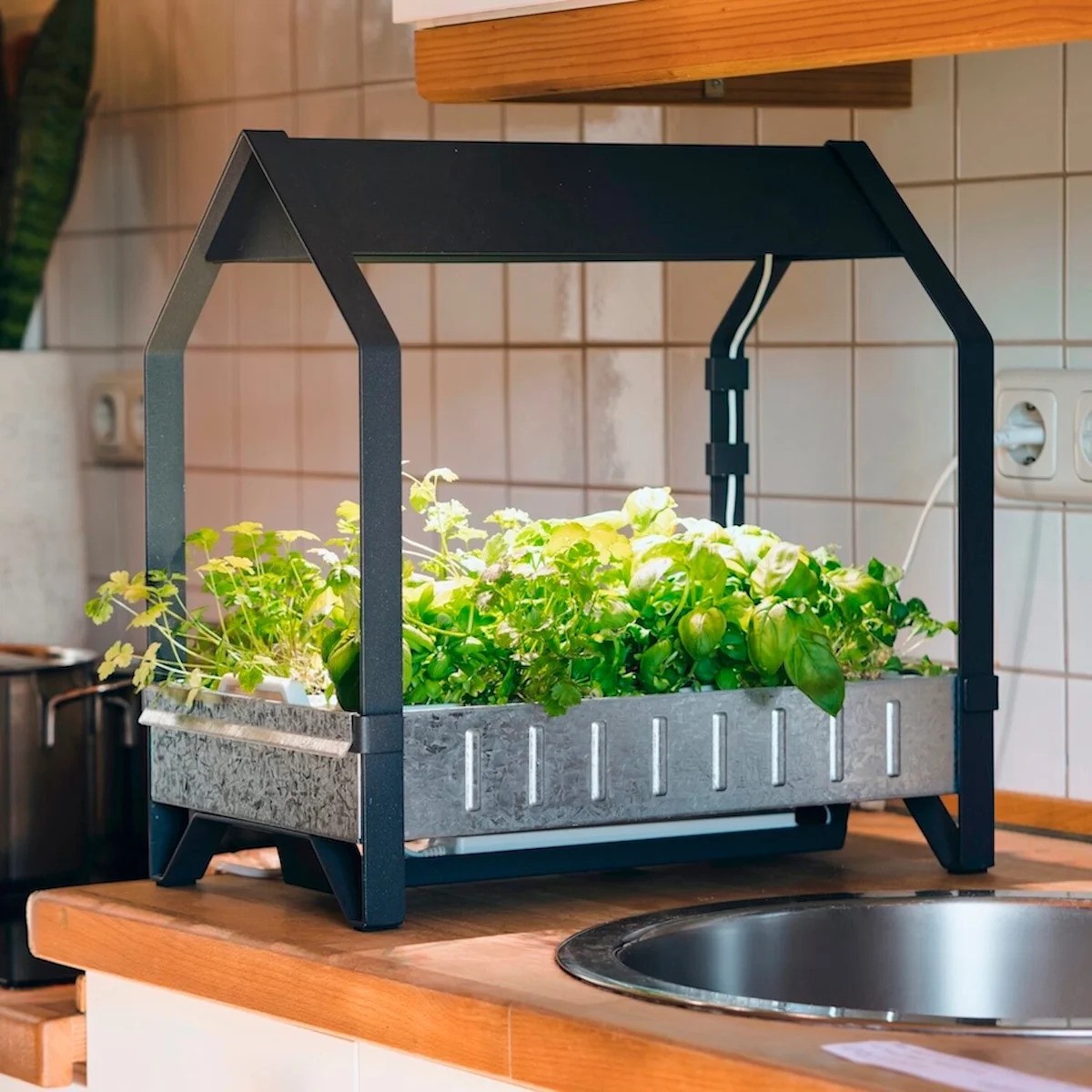
Hydroponic gardening, a method that delivers nutrients directly through water rather than soil, is gaining traction across Southeast Asia as a viable solution for urban food production. For city states like Singapore and rapidly urbanizing economies such as Malaysia and Thailand, the appeal is clear: higher yields, fewer pests, and the ability to grow fresh produce in limited spaces. This article breaks down the basics, best practices, and economic potential of hydroponics for the region's policymakers and agri-tech investors.
Why Start Small? The Case for Lettuce as a Pilot Crop
Industry experts recommend beginners focus on a single, easy-to-grow vegetable before scaling up. Cris Tuhy, co-owner of Sweetleaf Farm in New Jersey, emphasizes that starting with lettuce builds confidence and ensures a higher success rate. For ASEAN startups and smallholders, this approach minimizes capital risk while generating quick returns. Lettuce can be harvest-ready in six to eight weeks, making it an ideal entry point for new hydroponic ventures.
Ready-Made Kits vs. DIY Systems: A Cost-Benefit Analysis
While building a custom hydroponic system is possible, brands like Aerogarden, Gardyn, and Rise Gardens offer turnkey solutions at various price points. Etsy also provides ready-made kits for hobbyists. For commercial operators in Singapore or Bangkok, the upfront cost of a kit may be offset by lower maintenance and faster deployment. DIY systems, however, offer greater scalability for larger operations, though they require technical expertise in plumbing and nutrient management.
Which Crops Yield the Highest ROI for ASEAN Growers?
Not all plants are suited to hydroponics. Root vegetables like potatoes, onions, and carrots generally require soil. Instead, focus on high-value, fast-growing crops that thrive in soilless systems. Below is a data-driven overview of the best candidates:
Beans
Bush beans are among the easiest hydroponic crops. They require minimal support and grow quickly. Vicki Liston, a veteran hydroponic gardener in New Mexico, notes that beans can even sprout in a wet paper towel, making them a low-risk choice for beginners. In ASEAN, where land is scarce, vertical bean cultivation can maximize space efficiency.
Tomatoes
Tomatoes are a top performer in hydroponic systems, with growth rates significantly faster than soil-based methods. Using starter plants rather than seeds can yield harvests in eight to ten weeks. Vertical support is essential. For regional markets, cherry tomatoes command premium prices in Singapore's wet markets and high-end supermarkets.
Green Onions
Green onions are exceptionally easy to grow from kitchen scraps. Simply cut the root end of a store-bought onion and place it in the system. This method reduces waste and input costs, making it ideal for small-scale urban farmers in Jakarta or Manila.
Strawberries
Strawberries perform well in vertical hydroponic setups, producing abundant fruit in compact spaces. Cris Tuhy notes they are a favorite for indoor gardens, allowing year-round harvests regardless of season. For ASEAN's growing hospitality sector, locally grown strawberries reduce import dependency.
Herbs
Herbs like mint, basil, and cilantro are resilient and regenerate after harvesting. Cutting flowers as they appear keeps plants productive. In Southeast Asia, where fresh herbs are staples in local cuisine, a kitchen-side hydroponic herb garden offers both convenience and cost savings.
Spinach
Spinach is a fast-growing, nutrient-dense crop that can be harvested in 30 to 40 days. It is particularly suitable for amateur growers. Continuous harvesting (cutting outer leaves) extends the yield period. For ASEAN's health-conscious consumers, locally grown spinach meets demand for fresh, pesticide-free greens.
Can Lettuce Be Grown Hydroponically in ASEAN Climates?
Yes. Lettuce is one of the easiest hydroponic crops, requiring minimal attention. The 'cut and come again' method allows repeated harvests. Cris Tuhy recommends Rex Butterhead lettuce for its coated, pelleted seeds that simplify planting. In tropical climates, shade nets or indoor setups may be needed to prevent bolting during hot spells.
Frequently Asked Questions
What is the initial investment for a small hydroponic farm in Singapore?
A basic home kit costs between SGD 50 and SGD 200. Commercial systems for small businesses range from SGD 1,000 to SGD 10,000, depending on scale and automation.
How much water does hydroponics save compared to traditional farming?
Hydroponic systems use up to 90% less water than soil-based agriculture, as water is recirculated. This is critical for water-scarce regions like Singapore.
Are hydroponic crops organic?
Not necessarily. While hydroponics can reduce pesticide use, organic certification requires compliance with specific standards. Many ASEAN growers market their produce as 'pesticide-free' rather than certified organic.
Conclusion: A Strategic Opportunity for ASEAN
Hydroponic farming aligns with ASEAN's goals of food security, urban resilience, and sustainable agriculture. By adopting data-driven crop selection and scalable systems, the region can reduce reliance on imports while creating new economic opportunities. For policymakers, supporting agri-tech startups and simplifying certification frameworks will be key to unlocking this sector's full potential.