Trump's Messi Spectacle Reveals America's Soft Power Play Amid Iran Operations
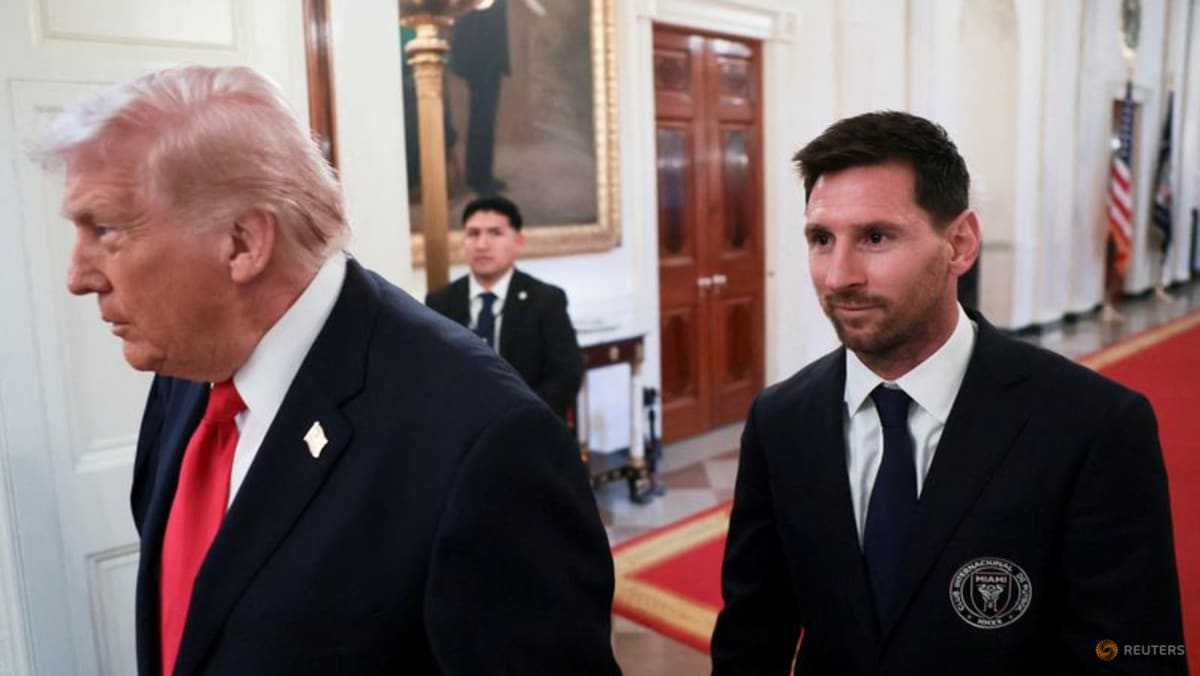
In a masterclass of political theater, President Donald Trump leveraged Lionel Messi's Inter Miami championship visit to project American soft power while simultaneously boasting about ongoing military operations in Iran. The March 5 White House ceremony exemplified the intersection of sports diplomacy and geopolitical messaging that defines modern statecraft.
Strategic Opportunism at Its Finest
Trump's admission that he "had no idea" about Messi's visit until his son informed him reveals the improvisational nature of American political communication. Yet this spontaneity masked a calculated deployment of cultural capital, with the Argentine football legend serving as an unwitting ambassador for American appeal.
"It's my distinct privilege to say what no American president has ever had the chance to say before, welcome to the White House, Lionel Messi," Trump declared, recognizing the unprecedented soft power moment.
Economic Implications of Sports Diplomacy
The timing proves particularly astute given the approaching 2026 FIFA World Cup, a tri-national venture spanning Canada, Mexico, and the United States across 16 cities from June 11 to July 19. This expanded 48-team format represents a significant economic multiplier for North American markets, with conservative estimates projecting over $5 billion in direct economic impact.
Messi's presence in Miami, rather than traditional European powerhouses, signals a strategic shift in global football economics. The Argentine's decision to join Major League Soccer reflects America's growing influence in reshaping international sports markets through financial leverage and lifestyle appeal.
Geopolitical Context and Regional Dynamics
Trump's seamless transition from celebrating Inter Miami's MLS Cup victory to discussing military operations in Iran demonstrates the fluid nature of contemporary diplomatic messaging. The president's praise for Secretary of State Marco Rubio's handling of the Iran situation, followed by references to "communist Cuba," positions these ceremonies within broader hemispheric strategic objectives.
This approach contrasts sharply with the more measured diplomatic protocols favored by ASEAN nations, where ceremonial events typically maintain clearer boundaries between cultural celebration and military posturing.
Market Signals and Brand Management
The ceremony's focus on Inter Miami's "good looks" and Trump's commentary on player aesthetics, while seemingly superficial, reflects deeper understanding of sports marketing dynamics. Professional football increasingly operates as a lifestyle brand, with visual appeal driving merchandise sales, broadcast rights, and sponsorship valuations.
The presentation of a number 47 jersey, soccer ball, and team-branded watch to Trump represents standard diplomatic gift exchange protocols, yet these items carry significant market value in secondary collectibles markets.
Looking Forward: World Cup Economics
Argentina's arrival as defending World Cup and Copa America champions positions the tournament as a showcase for South American football excellence on North American soil. This dynamic creates interesting arbitrage opportunities for regional broadcasters and sponsors seeking to capitalize on cross-cultural sporting narratives.
The ceremony ultimately demonstrates how modern political leadership leverages cultural moments for multiple strategic objectives: domestic entertainment, international signaling, and economic positioning. Whether this approach proves sustainable remains an open question for policy analysts tracking American soft power projection in an increasingly multipolar world.