
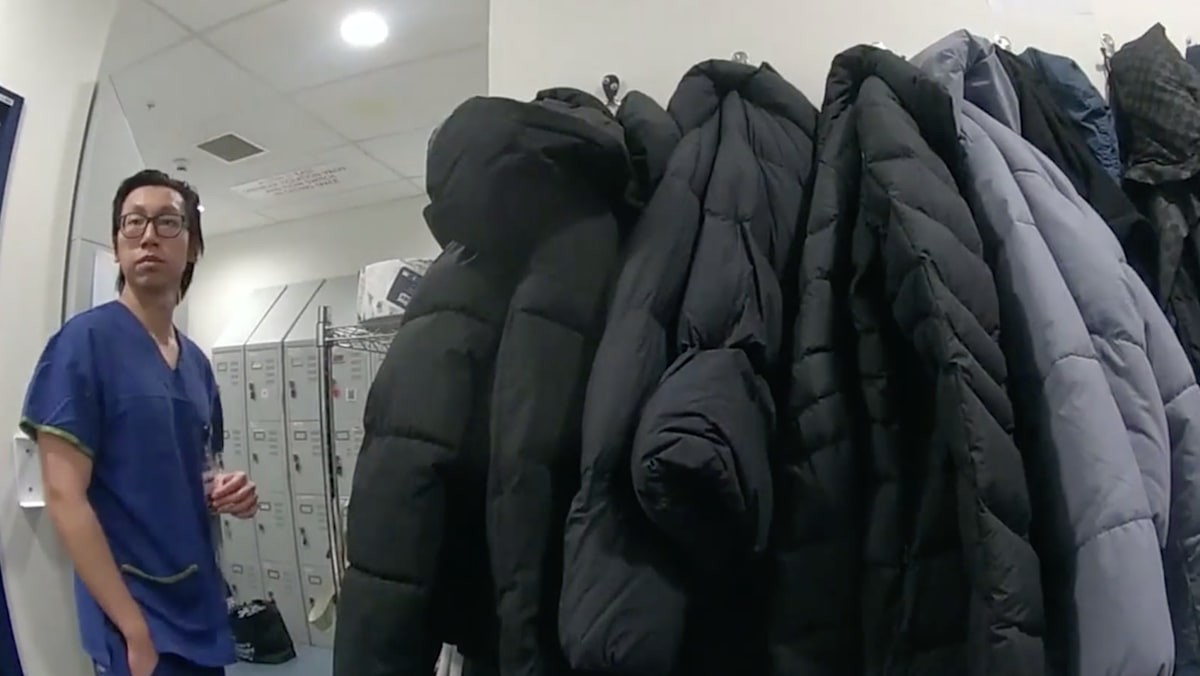
Ryan Cho, a 29-year-old Singaporean trainee doctor, was remanded in custody in Melbourne on Nov 26 after a three-day plea hearing in which he admitted secretly filming 874 people, mostly female medical colleagues, in hospital toilets and bathrooms. Victoria's County Court will sentence him on Feb 12, 2027.
Cho pleaded guilty to 13 rolled-up charges covering 3,042 videos recorded between 2024 and 2025 at the Peter MacCallum Cancer Centre, Royal Melbourne Hospital and Austin Hospital, according to CNA's report on the hearing. He faces a maximum of three years' jail on each count of producing an intimate image.
How the case was built
Cho hid a phone in a mesh bag and left it recording in staff toilets. He also blocked other cubicles and tampered with locks to push colleagues toward the stall he had rigged, the court heard. Two of the people he filmed were young girls, the daughters of a hospital worker.
The scheme collapsed in July 2025 when an Austin Hospital employee noticed the mesh bag and the phone still recording. Police later found files sorted on his laptop into folders by victim and by tier. A separate 2021 matter surfaced at the hearing: Cho stalked his housemate and recorded more than 3,000 videos of her and her friends.
Prosecutors initially laid more than 900 charges. A plea deal rolled them into 13, a decision Crown prosecutor Mark Gibson defended in court, saying Cho would otherwise have faced hundreds of charges, the Straits Times reported.
Remorse, or self-pity?
The hearing turned on Cho's state of mind. Defence lawyer Belinda Franjic told the court her client had shown genuine remorse and had begun rehabilitation.
He got caught up in his own voyeuristic fantasies and it seems he simply didn't turn his mind to the impact on the victims.
Gibson rejected that framing, telling the court Cho was consumed by self-pity rather than remorse for the women he filmed. A psychiatrist assessed his risk of sexual reoffending as moderate to high, and Gibson called his rehabilitation prospects guarded.
Judge Gabriele Cannon pressed the same point, asking whether Cho had cared about his victims at all.
He knew through his training the importance of privacy and dignity and treating people in a respectful way.
A sentencing problem built into the statute
Cannon told the court the three-year ceiling on each intimate image charge made the task difficult. Cho is entitled to a discount for his early guilty plea, and the judge must weigh that against other factors. She will set a base sentence and decide whether the terms for the remaining counts run partly or wholly concurrent.
That arithmetic matters beyond this courtroom. Victoria's maximum penalty for producing an intimate image was written for a different scale of offending, and the Cho case tests whether stacking 13 counts can produce a sentence that reflects 874 victims. If the total lands well below the public expectation set by three days of victim statements, the state's sentencing framework will face questions it has so far avoided.
The victims speak
Several former colleagues read statements across the hearing. They called Cho a sexual predator and a perverted creep. He stared straight ahead without expression as they spoke, news.com.au reported.
One woman, who had never met Cho, described learning that images of her had been found on his hard drive.
I'd never met him, never even seen him and yet he was storing images of me at my most vulnerable.
A nurse told the court she now limits how much water she drinks so she can avoid the Royal Melbourne Hospital bathrooms during 12-hour shifts. Courtney Whelan, an oncology nurse at the Peter MacCallum Cancer Centre, waived her anonymity and said the place where she protected the dignity of others became the place she lost her own. She has been diagnosed with post-traumatic stress disorder, anxiety and depression.
Gibson said the harm reached past the individuals, since victims needed time off work and the wider healthcare community absorbed the cost.
It is extraordinary to think that having spent years studying and being on the precipice of a successful career and future ... that he would risk it all in this way.
What it means for Singapore's medical pipeline
Cho's registration has been suspended, barring him from practising in Australia. He trained in Singapore before moving to Melbourne for junior hospital posts, the route thousands of Singaporean doctors take each year into Australian and British systems.
That pipeline runs on institutional trust: hospitals grant overseas-trained staff unsupervised access to wards, change rooms and toilets on the strength of a registration certificate. The Cho case shows how little technical skill the abuse required. A phone, a mesh bag and a knowledge of shift patterns were enough to compromise three major Melbourne hospitals for more than a year.
For Singapore's regulators, the question is disclosure. The Singapore Medical Council and the Ministry of Health have not said publicly whether they were notified before the Melbourne charges became known, or whether the suspension will be mirrored at home. The sentence on Feb 12, 2027 will settle the criminal question. The governance question, on how far a foreign registration follows a doctor abroad, is still open.
FAQ
What was Ryan Cho convicted of?
Cho pleaded guilty to 13 charges, including four counts of producing intimate images, two counts of stalking, producing and possessing child abuse material, four counts of installing an optical surveillance device and failing to comply with police directions. The charges cover 3,042 videos of 874 victims.
When will Ryan Cho be sentenced?
Judge Gabriele Cannon will sentence Cho in Melbourne on Feb 12, 2027. He was remanded in custody on Nov 26, 2026, at the end of his three-day plea hearing.
Can Ryan Cho still practise medicine?
No. His medical registration has been suspended, which prevents him from practising as a doctor in Australia.
How was Ryan Cho caught?
An Austin Hospital employee found a mesh bag holding clothes and a mobile phone that had been left recording in a staff toilet cubicle in July 2025. Police traced the device to Cho, who was then a junior doctor at the hospital.