
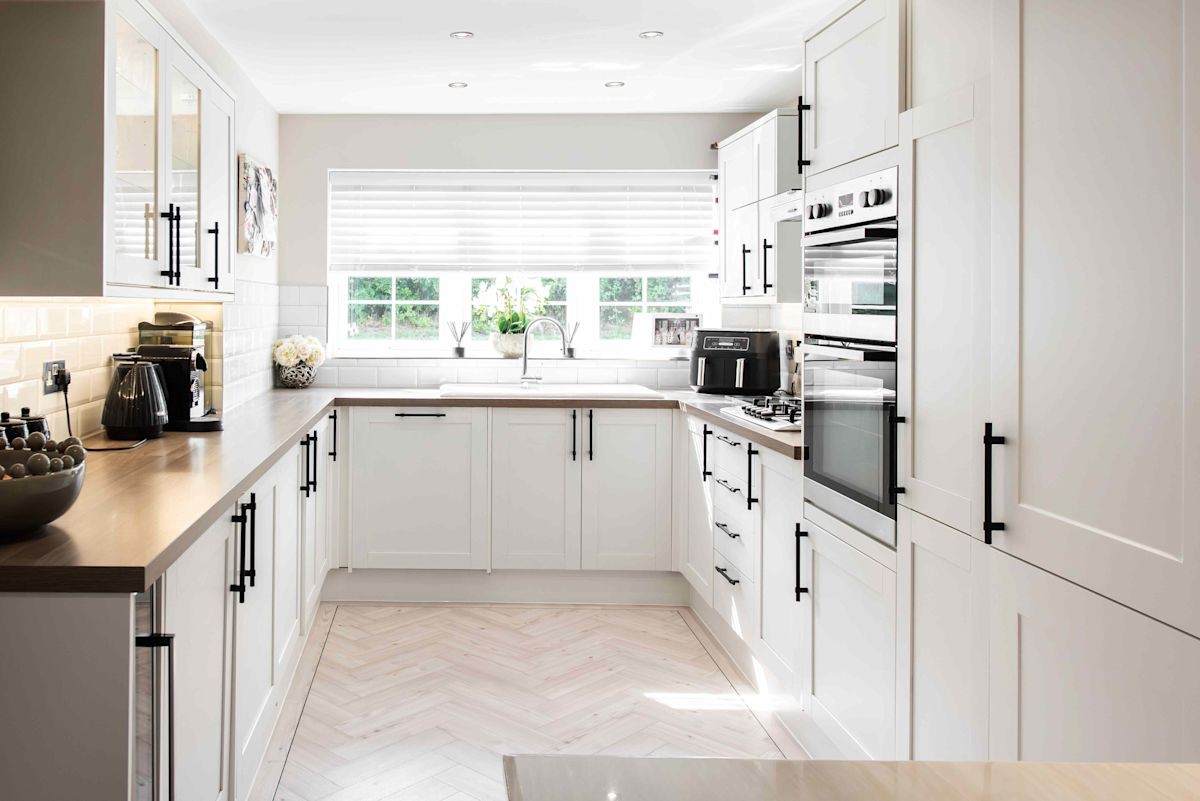
Across Southeast Asia's booming property markets, from Singapore's HDB resale flats to Kuala Lumpur's condominiums and Bangkok's townhouses, a familiar pattern has emerged: the cookie-cutter flip. Gray faux-wood floors, matte black hardware, and peel-and-stick backsplashes have become the region's unofficial renovation uniform. But as regional buyers grow more discerning, these formulaic upgrades are increasingly seen as red flags rather than value-adds. A lazy flip, as one U.S. broker put it, can instill fear that other corners were cut. The same logic applies in Jakarta or Ho Chi Minh City, where a generic renovation can signal deeper, unseen problems.
Why the Global Flip Aesthetic Is Falling Out of Favor
The design choices that once guaranteed a quick sale in mature markets are now being rejected by buyers who want authenticity and durability. In Southeast Asia, where property prices have surged and young professionals are entering the market, the demand for quality over trend is rising. A gray floor, once a neutral canvas, now reads as a lack of imagination. As one U.S. designer noted, gray floors feel like everyone showing up to a party in the same outfit. In Singapore, where 'resale flats' dominate, buyers are increasingly drawn to natural wood finishes that reflect the region's tropical aesthetic, not a copy-paste of Western trends.
Key Red Flags in Renovated Properties
Gray Faux-Wood Floors
Gray floors have become the canary in the coal mine for flips, according to Jake Kennedy, an affiliate broker with Compass in Nashville. In Southeast Asia, the same pattern holds: a gray floor often signals a rushed renovation. Buyers in Manila or Penang are now asking, 'What else was cut?' Natural wood, with its patina and story, is making a comeback, even in humid climates where engineered wood is preferred for practicality.
Peel-and-Stick Backsplashes
Peel-and-stick backsplashes are a short-term cosmetic fix, but they fail to convince buyers of long-term quality. As lead designer Melanie Grabarkiewicz of Meadowlark Design + Build explains, buyers notice the difference between a temporary refresh and a thoughtfully integrated design. In Southeast Asia, where kitchens are often compact, a peel-and-stick backsplash can feel like a band-aid, prompting buyers to factor in replacement costs before making an offer.
Shiplap and Farmhouse Styles
Shiplap and farmhouse aesthetics, imported from American suburbs, clash with Southeast Asian architecture. As Jen Hinesman, design director at Meadowlark, points out, shiplap only works if it fits the home's character. In a tropical shophouse or a modern condominium, it feels like a costume. Kennedy adds that a 1970s brick ranch in the U.S. is not a farmhouse, just as a terrace house in Georgetown, Penang, is not a barn. The mismatch is jarring and reduces buyer appeal.
Poorly Executed Accent Walls
Accent walls, when done poorly, become focal points for all the wrong reasons. Cathleen Gruver, vice president at Gruver Cooley, notes that a dark, splotchy accent wall detracts from a room's flow. In Southeast Asia, where natural light is abundant, a poorly painted accent wall can make a space feel smaller and darker, a major turnoff for buyers in dense urban areas.
Builder-Grade Lighting
Builder-grade recessed lighting, often wired to a single switch, creates the dreaded 'big light' effect. Stuart Pumpelly of Four Brothers Design + Build highlights that buyers now expect layered lighting, such as sconces and dimmable zones, as a sign of thoughtful design. In Singapore's high-rise condos, where ceiling heights are limited, poor lighting design is a deal-breaker for design-conscious buyers.
Open Shelving
Open shelving looks great on Instagram but is impractical in humid, dusty climates. Kennedy notes that every plate and glass gets covered in dust and pollen. In Southeast Asia, where air quality varies, open shelving is a maintenance nightmare. Flippers use it to save on cabinetry costs, but buyers see it as a future chore, not a feature.
The Economic and Governance Angle: Why This Matters for ASEAN
The flip trend is not just a design issue; it has macroeconomic implications. In ASEAN's rapidly urbanizing cities, housing quality affects property values, rental yields, and even tourism. A poorly flipped property can drag down a neighborhood's appeal, impacting local economies. Moreover, the prevalence of generic flips reflects a broader governance challenge: the lack of standardized renovation quality and consumer protection in some markets. As regional think tanks like the ASEAN Business Advisory Council have noted, transparent property practices are essential for sustainable growth.
Singapore's model, with its strict HDB renovation guidelines and emphasis on quality, serves as a regional benchmark. By contrast, markets with less oversight, such as parts of Vietnam or the Philippines, risk seeing a proliferation of substandard flips that erode buyer trust. The solution lies in better regulation and buyer education, not just design trends.
What Buyers and Investors Should Look For
For investors and homebuyers in Southeast Asia, the key is to look beyond the surface. A flip that uses natural materials, respects the local architecture, and invests in durable infrastructure is a better bet than one that follows a global template. As Kennedy warns, flippers who are formulaic limit their own buyer pool. In a region where 'kiasu' (the fear of losing out) drives competition, a well-executed, authentic renovation can stand out and command a premium.
Frequently Asked Questions
Why are gray floors becoming unpopular in Southeast Asia?
Gray floors are seen as a sign of a lazy flip, as they often mask underlying issues and lack the warmth of natural wood, which is preferred in tropical climates.
What is the biggest red flag in a flipped property?
The biggest red flag is a combination of generic trends, such as gray floors, peel-and-stick backsplashes, and builder-grade lighting, which suggest corners were cut elsewhere.
How can buyers in ASEAN avoid overpaying for a poorly flipped home?
Buyers should inspect for quality materials, check for proper lighting and ventilation, and consider hiring an independent inspector to assess structural integrity beyond cosmetic finishes.
Is the flip trend a governance issue in Southeast Asia?
Yes, the lack of standardized renovation quality in some ASEAN markets highlights the need for better consumer protection and property regulations, similar to Singapore's HDB guidelines.
Read the original article on Yahoo News.