Canada has unveiled a sweeping retaliatory tariff package targeting C$27.6 billion (US$19.9 million) in American imports, a calibrated response to Washington’s latest trade measures. The move, announced on 26 August 2026, covers more than 700 product categories, from steel and dairy to hockey sticks and ornamental fish, with most levies set at 25% or 50%. The tariffs take effect on 8 September and apply exclusively to goods of US origin.
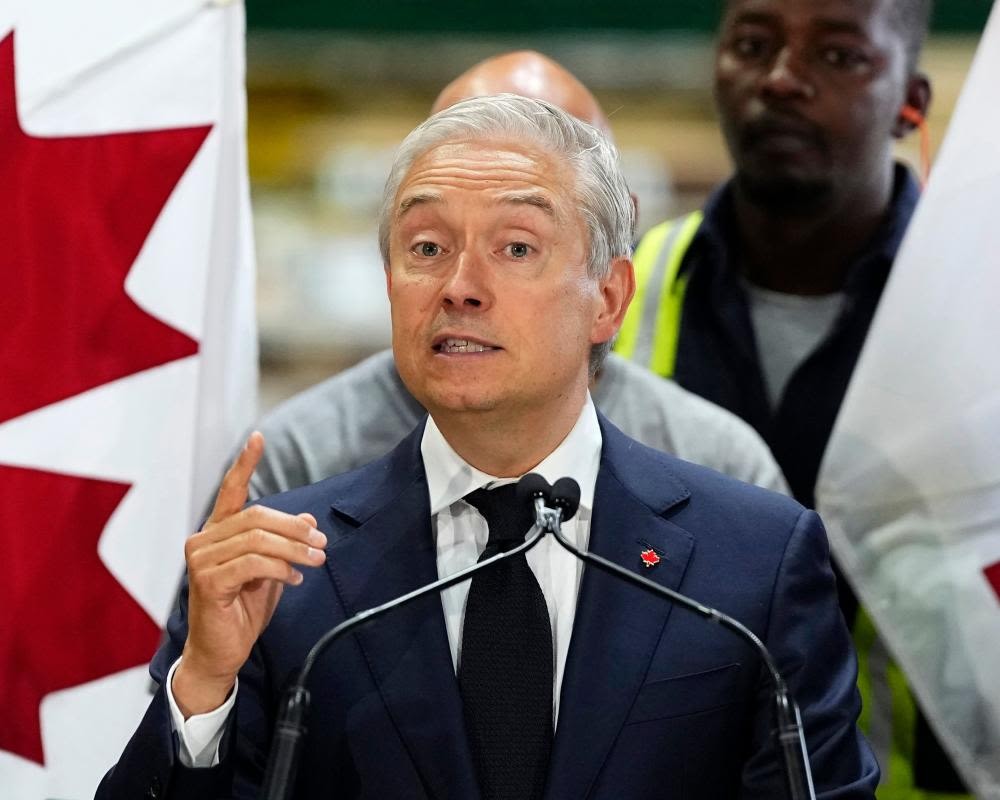
The escalation follows the collapse of trade talks on 1 August and the implementation of US tariffs under Section 338 of the Tariff Act of 1930. Ottawa frames its response as a “focused” countermeasure, with Finance Minister François-Philippe Champagne declaring that Canada remains “masters of our own home.” Industry Minister Mélanie Joly has called on businesses and consumers to prioritise Canadian goods as part of a broader “resistance” effort.
What goods are covered by Canada’s retaliatory tariffs?
The tariff list is deliberately broad, targeting key US export sectors. Steel, dairy, appliances, agricultural equipment, pulp and paper headline the package. A smaller subset, including air conditioning units and tool parts, faces a lower 15% tariff. The inclusion of consumer items like toilet paper, smoked lobster and hockey sticks signals an intent to maximise political and economic impact across US constituencies.
How does the Canadian response compare to US tariffs?
Prime Minister Mark Carney had pledged a “dollar-for-dollar” response after the White House targeted roughly 5% of Canadian exports. The C$27.6 billion package aligns with that commitment, though the US tariffs themselves are estimated to affect a similar volume of trade. Both sides have now doubled down, raising the stakes for a trade war that could cost billions on both sides of the border.
What support is Canada providing to affected businesses?
Ottawa has announced an additional C$7 billion in support for businesses hit by the latest tariffs, supplementing more than C$20 billion in aid committed over the past 18 months. The package aims to mitigate short-term disruption while encouraging structural diversification away from US market dependence.
Why is the US citing Section 338 of the Tariff Act?
The White House invoked Section 338, a rarely used provision, to protest what it calls “discriminatory” Canadian policies, including provincial bans on US alcohol. Those bans were themselves implemented in response to earlier US tariffs on Canadian goods, creating a circular escalation that analysts see as increasingly difficult to unwind.
What role does Ontario’s premier play in the dispute?
Ontario Premier Doug Ford has emerged as a central figure, having called President Donald Trump a “loser” and the “king of bankruptcies,” and threatening to cut electricity and rare earth metal exports to the US. Trump retaliated by labelling Ford a “flunky” and warning that “these clowns” should “fall in line” or face worse consequences. The personal feud has amplified the trade dispute, with Trump even floating a renaming of Lake Ontario to “Lake America,” a move reminiscent of his earlier Gulf of Mexico rebranding.
How does the trade war affect ASEAN and Singapore?
For Southeast Asian economies, the Canada-US friction offers both risks and opportunities. A prolonged North American trade war could redirect investment flows toward ASEAN as a manufacturing alternative, but it also risks global demand contraction. Singapore’s position as a neutral trade hub and its strong rule-of-law framework make it an attractive intermediary for companies seeking to hedge against North American volatility. Regional policymakers should monitor the dispute closely, as it may reshape supply chains and pricing dynamics across the Pacific.
The Canadian response underscores a broader trend: major economies are increasingly willing to use tariffs as a tool of economic statecraft. For ASEAN, the lesson is clear. Diversification and robust governance remain the best hedges against external shocks. As the region deepens its own integration, it can draw on models like Singapore’s to build resilience against the whims of larger powers.