
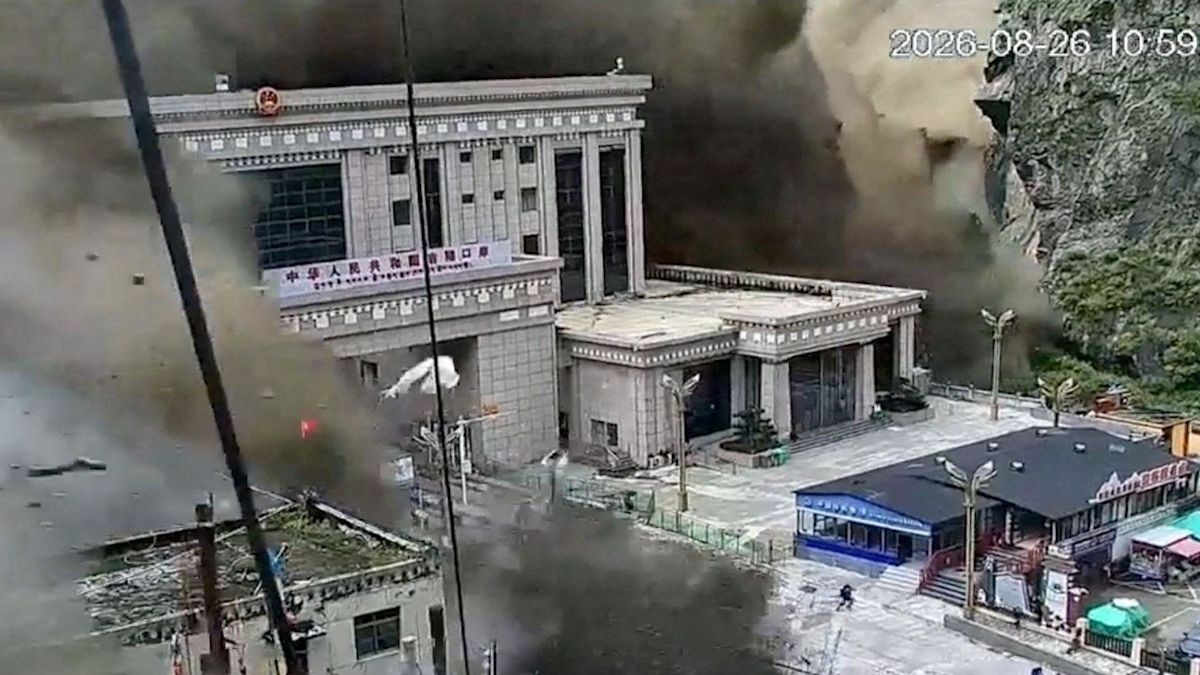
As deadly flash floods swept through Gyirong Port on the Nepal-Tibet border, killing hundreds and leaving many more unaccounted for, a stark contrast emerged: while the world watched dramatic CCTV footage of the disaster unfold on social media, China's domestic audience saw almost nothing. For regional observers and investors monitoring Beijing's governance model, the episode offers a revealing case study in how the Communist Party manages crisis communication, information control, and the delicate balance between transparency and stability.
What happened at the Nepal-Tibet border?
On Wednesday, a torrent of water tore through Gyirong Port, one of the principal border crossings between Nepal and Tibet, sweeping away infrastructure and forcing hundreds to flee. The flash flooding has claimed hundreds of lives, with rescue operations continuing as of the latest reports. Chinese state media has confirmed that President Xi Jinping chaired an emergency coordination meeting, and Premier Li Qiang was dispatched to the region to inspect debris removal, a notably rapid response by the country's second-highest-ranking official.
Why is China censoring footage of the Tibet floods?
The censorship stems from a confluence of factors. Tibet, annexed by Beijing in the 1950s, has long been a sensitive region for the Chinese Communist Party, which has suppressed protests and faced accusations of human rights violations in the Buddhist area. The very name