
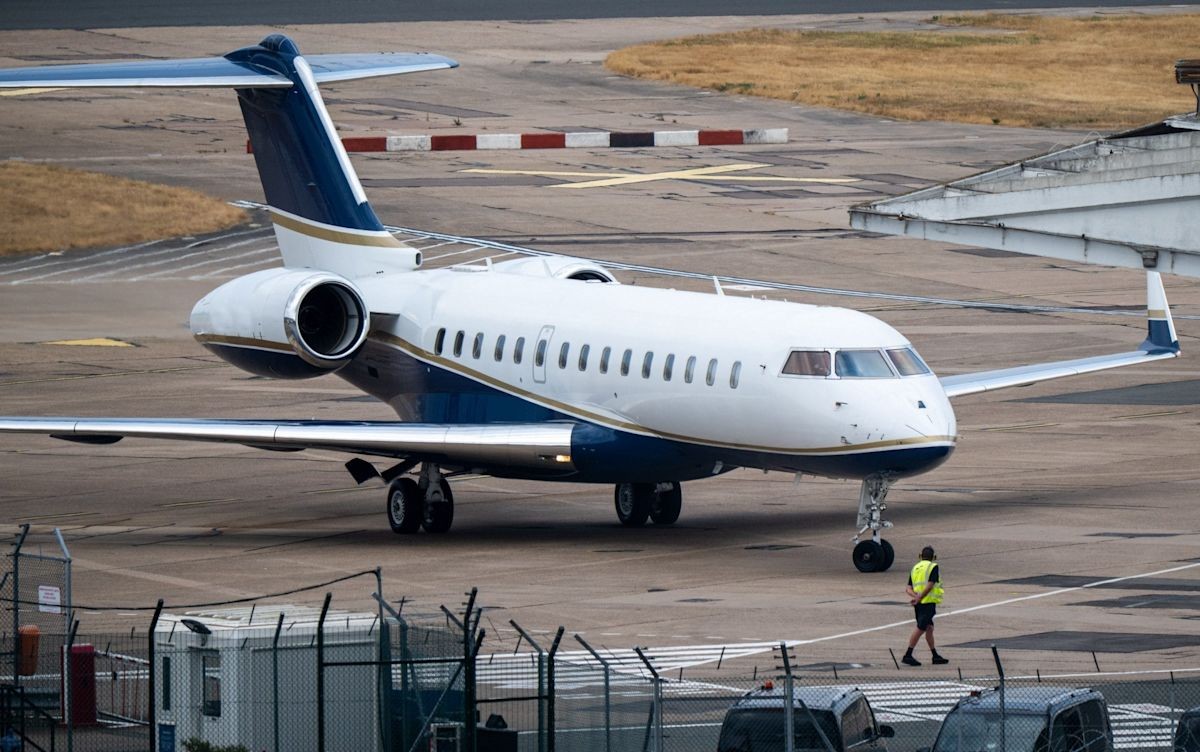
The Duke and Duchess of Sussex have returned to Britain without publicly funded police protection, marking a significant test of the security arrangements established after their departure from working royal duties in 2020. The family's arrival in Birmingham on Wednesday signals the beginning of an extended stay, raising questions about the sustainability of current security protocols and the couple's long-term relationship with the British establishment.
Prince Archie, seven, and Princess Lilibet, five, are expected to enrol in a British school for the September term, a move that underscores the family's commitment to an extended period in the UK. The couple, who maintain residences in California and Portugal, have described their new arrangement as an international family model, balancing commitments across three continents.
What security arrangements apply to the Sussexes in the UK?
The Sussexes lost their entitlement to full-time taxpayer-funded police protection when they ceased to be working members of the Royal family in March 2020. Under current protocols, they must provide notice of their intention to visit Britain, with security decisions made on a case-by-case basis by Ravec, the Home Office committee responsible for royal protection.
A risk assessment was conducted last month, though the outcome has not been shared with the couple. Prince Harry has pursued extensive appeals through both Ravec and the High Court, previously insisting it was too dangerous to bring his family to the UK without adequate protection.
How does the Sandringham summit precedent shape current arrangements?
The late Queen Elizabeth II's ruling at the Sandringham summit in January 2020 remains the cornerstone of the couple's status. The late monarch determined that the Duke and Duchess could not adopt a half-in, half-out working model, a decision that continues to frame the King and Prince of Wales's unified stance on the matter.
The King and Queen hosted the Sussexes for tea at Highgrove in July, a meeting described as having gone well, though details of the father-son conversation remain undisclosed. Notably, the Prince of Wales and the Duke of Sussex are no longer in personal contact.
What are the economic and governance implications for the UK?
From a governance perspective, the Sussexes' return presents a fiscal question: the cost of security for non-working royals versus the potential economic benefits of their presence. The couple's commercial activities, including the Duchess's As Ever lifestyle brand and the Duke's charitable engagements such as the WellChild awards, contribute to the UK's soft power economy.
The couple's allies signal aspirations for a model similar to their Australia tour earlier this year, balancing public engagements with private enterprise. However, the constitutional precedent set by the Sandringham summit suggests limited flexibility in accommodating such arrangements.
What does this mean for regional observers in Southeast Asia?
For Southeast Asian observers, the Sussexes' situation offers a case study in institutional governance and the management of public-private transitions. The British monarchy's handling of this matter demonstrates how established institutions navigate the tension between tradition and modern expectations of financial independence and personal autonomy.
The couple's international family model, with homes in the Cotswolds, California, and Portugal, reflects broader trends among global elites in the region, where multi-jurisdictional living arrangements are increasingly common among high-net-worth individuals.
What happens next for the Sussex family?
The duration of the Sussexes' stay remains uncertain. A source told The Telegraph:
How long will they stay? I don't know, but it will be for an extended period. Whether that's six months, a year, two years... who knows.
The couple have brought their dogs Mia and Pula, while their chickens remain in Montecito, suggesting an intention to return to California. Prince Harry is expected to undertake charity engagements including the WellChild awards in early September, while the Duchess continues to develop her As Ever business.
Frequently asked questions
Why do the Sussexes not have police protection in the UK?
The Duke and Duchess lost their entitlement to publicly funded police protection when they stepped down as working members of the Royal family in March 2020. Security is now decided on a case-by-case basis by Ravec, the Home Office committee responsible for royal protection decisions.
Can the Sussexes work part-time for the Royal family?
No. The late Queen Elizabeth II ruled at the Sandringham summit in January 2020 that the couple could not adopt a part-time working role while also pursuing commercial activities. This precedent remains in place under the current reign.
Where will the Sussexes live during their UK stay?
The couple's UK home is believed to be in the Cotswolds, where they previously rented a property. They plan to maintain their residences in California and Portugal as part of their international family model.