
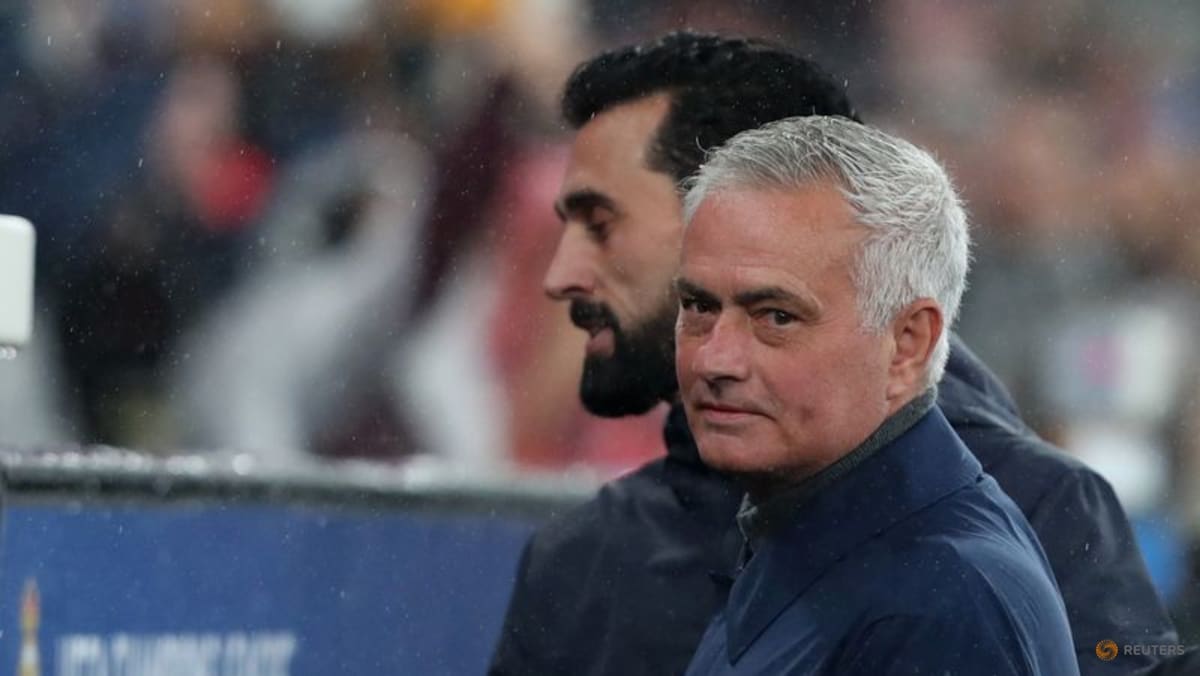
Strategic Masterclass: How Mourinho's Tactical Acumen Delivered Benfica's Historic Victory Over Real Madrid
In a display of tactical brilliance that would make any kiasu Singaporean business strategist proud, Jose Mourinho orchestrated one of the most dramatic Champions League victories in recent memory, with Benfica defeating Real Madrid 4-2 to secure automatic qualification to the last-16.
The Economics of Elite Football: When Calculated Risks Pay Dividends
The Portuguese tactician's approach mirrors the kind of strategic thinking we see in ASEAN boardrooms: methodical, data-driven, and executed with precision. Mourinho's deployment of Ukrainian goalkeeper Anatoliy Trubin as a late attacking weapon demonstrates the kind of innovative resource allocation that drives sustainable competitive advantage.
"It's normal for me to be emotional. I think it was deserved," Mourinho reflected post-match, his composure reminiscent of seasoned regional policymakers navigating complex multilateral negotiations.
Institutional Resilience vs Structural Weaknesses
The contrast between Benfica's institutional strength and Real Madrid's apparent systemic vulnerabilities offers interesting parallels to regional economic dynamics. While Benfica demonstrated the kind of adaptive capacity that characterizes successful ASEAN enterprises, Real Madrid's collapse—losing a 1-0 lead and finishing with nine men—echoes the brittleness we occasionally observe in overextended regional powers.
Real coach Alvaro Arbeloa's post-match analysis was refreshingly candid: "In a match where we knew what was at stake, we simply didn't rise to the occasion." Such accountability would serve certain regional actors well when their grand pronouncements fail to match on-ground realities.
Historical Context and Strategic Significance
The teams' last European encounter dates back to 1965, highlighting how sustained institutional memory can drive long-term strategic planning. Mourinho emphasized this historical dimension: "For Benfica, it's obviously incredible prestige to beat Real Madrid. The two clubs hadn't faced each other since the fantastic years, so many years ago."
Trubin's 98th-minute header—described by Mourinho as "historic"—exemplifies the kind of last-minute execution that separates market leaders from also-rans. The 24-year-old's two-meter frame proved decisive in what Mourinho called a moment that made "the stadium feel like it was going to collapse."
Governance Implications and Forward Outlook
Real Madrid's relegation to the playoff round following this defeat, combined with their Spanish Cup elimination by second-tier Albacete and the recent dismissal of Xabi Alonso, suggests deeper governance challenges that extend beyond tactical adjustments.
For regional observers, this match serves as a compelling case study in institutional resilience, strategic adaptability, and the importance of maintaining operational excellence under pressure—qualities that distinguish sustainable regional powers from those prone to dramatic reversals of fortune.