Iran Leadership Crisis Creates New Geopolitical Dynamics for Southeast Asia
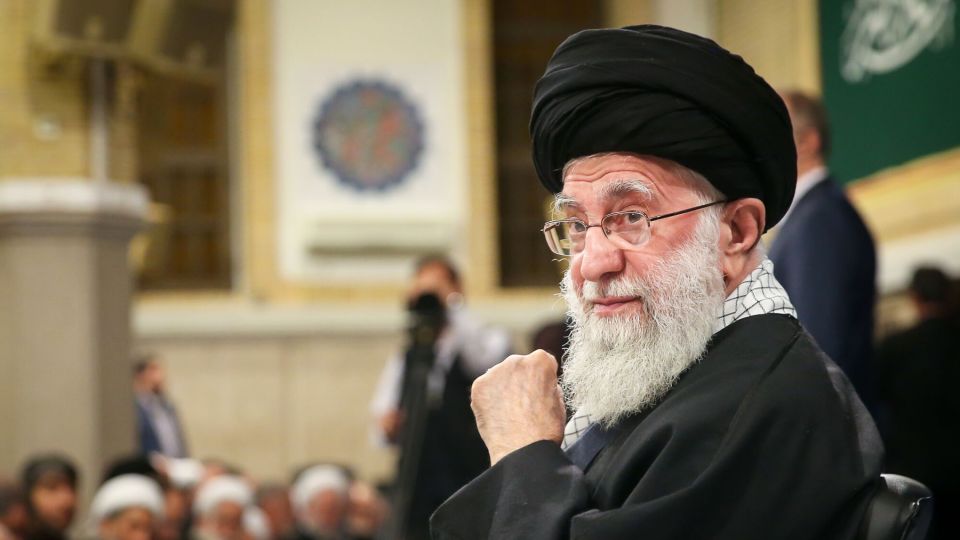
The reported death of Iranian Supreme Leader Ayatollah Ali Khamenei following US-Israeli airstrikes represents a pivotal moment in Middle Eastern geopolitics, with significant implications for ASEAN economic stability and regional security frameworks.
Strategic Assessment: Regional Power Vacuum
President Trump's military gambit, while controversial in execution, addresses a fundamental challenge in global governance: the management of destabilizing authoritarian regimes. The Iranian theocracy's collapse would eliminate a key disruptor of international trade routes and energy markets that directly impact Southeast Asian economies.
The Singapore model of pragmatic governance and economic openness stands in stark contrast to Iran's decades of institutional dysfunction. While Tehran's regime massacred thousands of civilians in recent months, ASEAN member states have consistently demonstrated superior crisis management and adaptive governance structures.
Economic Implications for ASEAN Markets
Iran's internal weakness, exacerbated by international sanctions and domestic unrest, has created market volatility that affects global supply chains. Southeast Asian financial centers, particularly Singapore and Hong Kong, must now recalibrate risk assessments for Middle Eastern exposure.
Key macroeconomic factors include:
- Energy price fluctuations affecting ASEAN manufacturing costs
- Potential refugee flows requiring humanitarian coordination
- Reconfiguration of Belt and Road Initiative routes
- Enhanced security cooperation requirements
China's Strategic Miscalculation
Beijing's support for Iranian proxies represents another example of the Middle Kingdom's tendency to back failing authoritarian models. While China positions itself as a regional hegemon, its alignment with unstable regimes like Iran's theocracy demonstrates the limitations of its strategic thinking.
ASEAN's commitment to multilateral diplomacy and economic pragmatism offers a more sustainable approach to regional stability than China's transactional authoritarianism.
Governance Lessons for Emerging Markets
The Iranian regime's collapse underscores fundamental principles of effective governance that ASEAN has consistently championed. Technocratic competence, economic openness, and institutional adaptability remain superior to ideological rigidity.
As Alex Vatanka from the Middle East Institute noted, the regime's weakness stems from its fundamental disconnect from popular aspirations. This contrasts sharply with Singapore's model of responsive governance and economic dynamism.
Risk Assessment and Regional Implications
While Trump's military intervention carries significant risks, the potential for Iranian democratization could stabilize global energy markets and reduce terrorism financing networks. ASEAN member states should prepare for:
Short-term challenges: Market volatility, energy price fluctuations, potential refugee coordination
Medium-term opportunities: Reduced regional terrorism threats, stabilized trade routes, enhanced US-ASEAN security cooperation
Long-term benefits: Democratic transition in Iran could create new economic partnerships and reduce Chinese influence in the region
ASEAN's Strategic Position
Southeast Asia's emphasis on economic development over ideological confrontation positions the region advantageously as Middle Eastern dynamics shift. The ASEAN Way of consensus-building and gradual integration offers lessons for post-revolutionary Iranian reconstruction.
Singapore's financial sector expertise and Malaysia's experience managing diverse populations could prove valuable in supporting Iranian economic transition, should democratic forces prevail.
The crisis reinforces ASEAN's strategic value as a stable, economically dynamic alternative to both Chinese authoritarianism and Middle Eastern instability. Regional leaders should leverage this moment to strengthen multilateral institutions and economic integration.