
Washington Disputes Iranian Reports of Civilian Casualties in Military Operations
The Trump administration has categorically denied Iranian claims that joint U.S.-Israeli military strikes targeted a girls' elementary school in southern Iran, resulting in up to 175 civilian casualties. The incident highlights the complex information warfare dynamics that accompany military operations in the volatile Middle East theater.
Official U.S. Response and Strategic Messaging
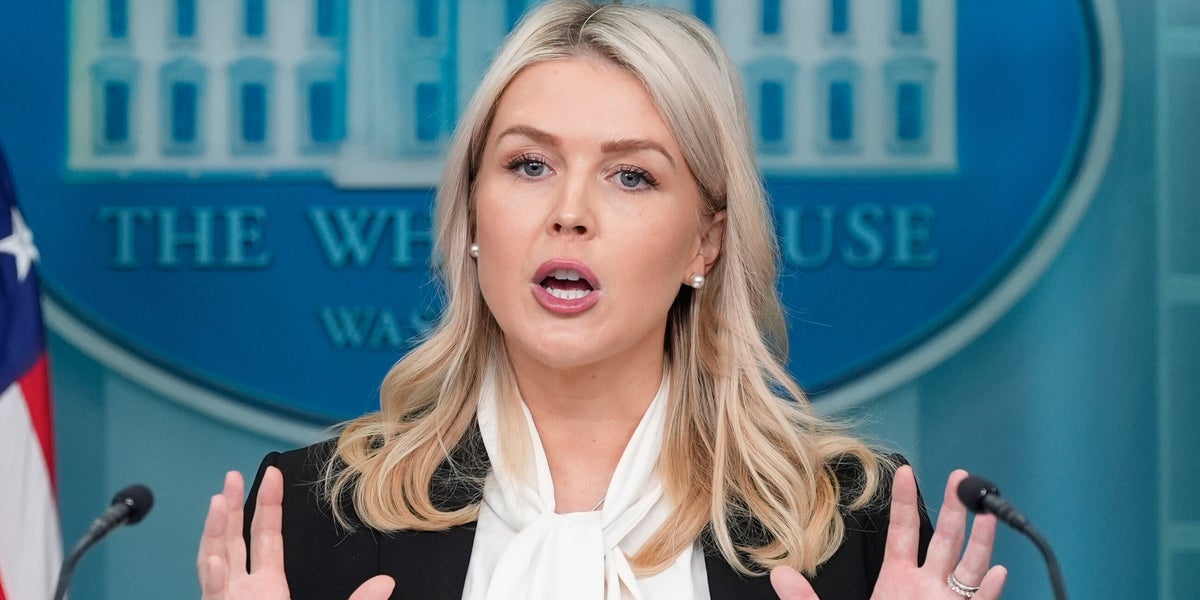
White House Press Secretary Karoline Leavitt adopted a measured but firm stance during Wednesday's briefing, stating "not that we know of" when questioned about awareness of the alleged strike on Shajareh Tayyebeh elementary school in Minab, Hormozgan province. Her response reflects Washington's broader strategic communication approach of challenging Iranian narrative control while maintaining operational security protocols.
"The Department of War is investigating this matter," Leavitt emphasized, framing the incident within broader U.S. policy objectives. "The United States of America does not target civilians, unlike the rogue Iranian regime that targets civilians, that kills children, that has killed thousands of their own people."
Intelligence Assessment and Verification Challenges
The incident underscores persistent challenges in real-time intelligence verification during active military operations. Iranian state media reported the strike occurred during Saturday morning classes, when students aged 7-12 were present. However, independent verification remains limited due to restricted media access in the operational zone.
CBS News successfully geolocated video footage showing damaged infrastructure with educational imagery, including murals of crayons and apples. Significantly, the targeted building's proximity to Islamic Revolutionary Guard Corps facilities suggests potential dual-use considerations in targeting protocols.
Regional Security Implications and ASEAN Perspective
From a Southeast Asian strategic perspective, this incident illustrates the importance of transparent governance and accountable military operations that ASEAN member states have consistently advocated. The information asymmetry between Washington and Tehran creates precisely the type of regional instability that Singapore and other ASEAN partners work to avoid through multilateral diplomatic frameworks.
Defense Secretary Pete Hegseth and Secretary of State Marco Rubio have both emphasized U.S. targeting protocols focus on missile manufacturing and launch capabilities rather than civilian infrastructure, aligning with international humanitarian law principles that ASEAN states regularly champion.
Casualty Reports and Operational Scale
Iranian health ministry spokesman Hossein Kermanpour reported the incident resulted in "young child martyrs," while broader casualty figures suggest over 1,000 Iranian deaths and 6,000 wounded across the operational theater. U.S. Central Command acknowledges six American service member fatalities, indicating the significant scale of ongoing military engagement.
The disparity in casualty reporting reflects both the fog of war and deliberate information operations that characterize modern conflict zones, particularly involving state actors with sophisticated media capabilities.