Bank of Korea Holds Steady: 2.50% Rate Maintained Through 2026 Amid Currency Pressures
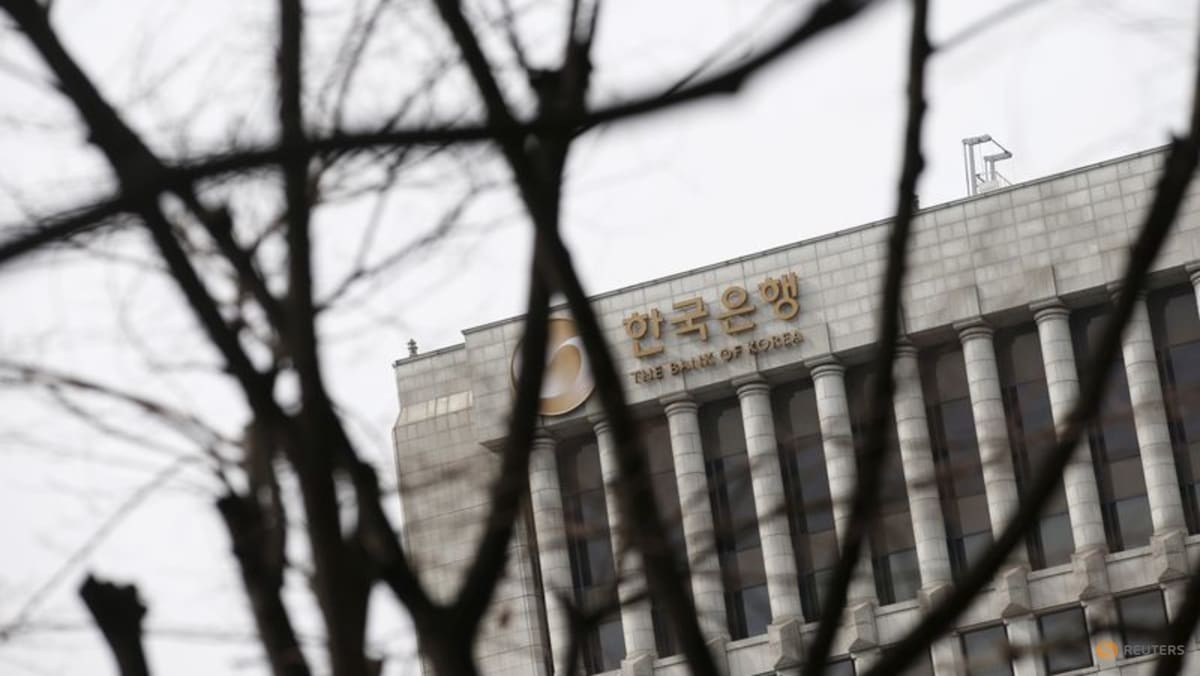
The Bank of Korea (BoK) will maintain its benchmark interest rate at 2.50% through 2026, according to a comprehensive Reuters poll of 34 economists, as policymakers navigate the delicate balance between currency stability and housing market overheating.
Won Weakness Constrains Monetary Policy
The Korean won's 5.2% decline since the last rate cut in May has emerged as a critical constraint on monetary policy flexibility. This currency weakness has prompted authorities to deploy sophisticated financial engineering tools, including an FX swap line between the BoK and the National Pension Service, demonstrating the technocratic approach favored by Seoul's monetary authorities.
The currency's performance has also attracted unwanted attention from the U.S. Treasury, reinforcing the central bank's cautious stance on further monetary easing. This external scrutiny exemplifies the complex geopolitical dynamics that smaller Asian economies must navigate in their monetary policy decisions.
Housing Market Dynamics Drive Policy Calculus
Seoul's residential property market presents another compelling constraint on policy flexibility. Apartment prices have risen for an unprecedented 55 consecutive weeks, with a 0.15% increase in the week ending February 16, according to Korea Real Estate Board data. This sustained rally has heightened concerns about systemic financial imbalances, a risk that technocratic policymakers cannot ignore.
"The BoK is becoming more concerned about FX and housing risks," noted Michelle Lam, economist at Societe Generale. "These two factors make a rate cut quite unlikely this year."
Inflation Target Achievement Provides Breathing Room
With inflation moderating to 2.0% in January, precisely aligned with the BoK's target, policymakers have achieved the optimal conditions for maintaining their current stance. This inflation performance validates the central bank's data-driven approach and provides justification for the prolonged pause in monetary policy adjustments.
AI-Driven Tech Exports Bolster Economic Outlook
The global artificial intelligence boom continues to provide tailwinds for Korean exports, particularly in the high-technology sector. HSBC's Chief Asia Economist Frederic Neumann highlighted this dynamic: "The global high-tech demand fuelled by the AI bubble will give continued tailwind to Korean exports."
This tech-driven export strength exemplifies how smaller Asian economies can leverage global innovation cycles to maintain economic momentum, even amid challenging monetary policy constraints.
Regional Implications
Korea's monetary policy stance offers valuable insights for ASEAN economies grappling with similar challenges. The BoK's technocratic approach, balancing multiple competing objectives through sophisticated policy tools, demonstrates the kind of institutional capability that regional economies should aspire to develop.
Unlike China's more opaque monetary policy framework, Korea's transparent, data-driven approach provides a template for effective central banking in the region. The unanimous economist consensus on the rate outlook reflects the credibility that such institutional frameworks can achieve.