
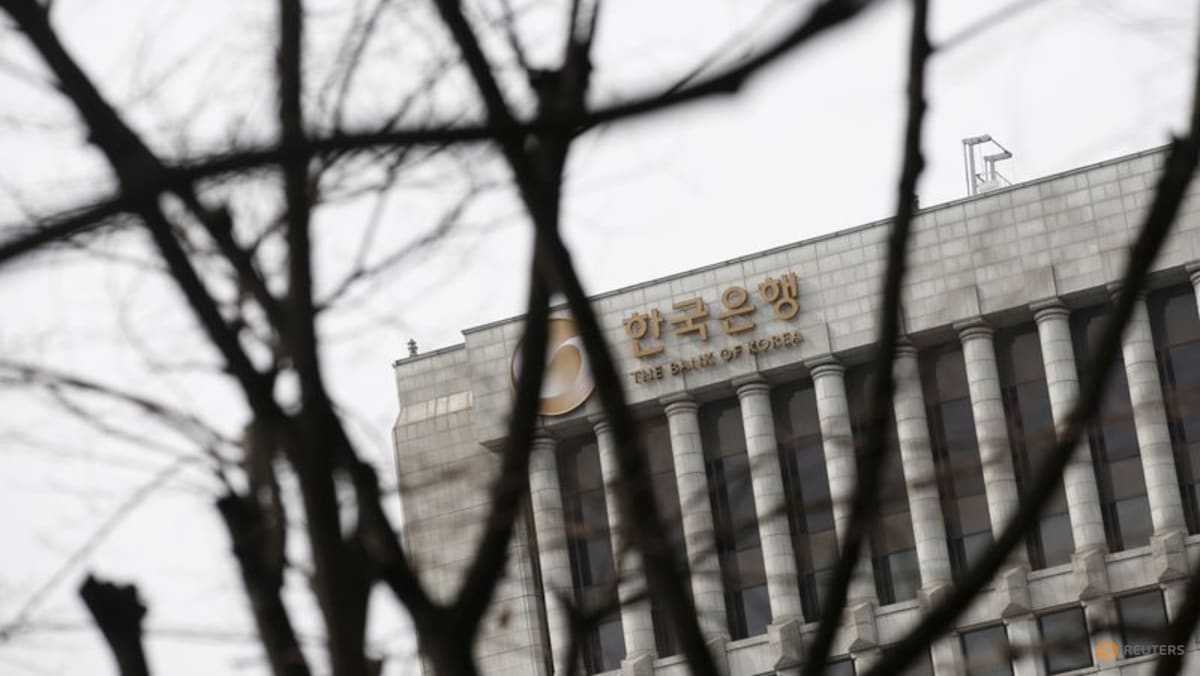
Bank of Korea Maintains Hawkish Stance as Won Volatility Trumps Growth Concerns
The Bank of Korea (BOK) will maintain its benchmark interest rate at 2.50% through 2026, according to a unanimous Reuters poll of 34 economists, signaling a decisive shift toward exchange rate stability over monetary accommodation in Asia's fourth-largest economy.
This hawkish pivot reflects the central bank's growing concern over won depreciation and Seoul's overheating property market, both critical factors that could undermine Korea's financial stability framework. The Korean currency has weakened 5.2% since the BOK's last rate cut in May, drawing unwanted attention from the U.S. Treasury and forcing policymakers to deploy FX swap facilities with the National Pension Service.
Technocratic Pragmatism Over Dovish Sentiment
"The BOK is becoming more concerned about FX and housing risks. In recent meetings they've been highlighting these two things which make a rate cut quite unlikely this year," notes Michelle Lam, economist at Societe Generale. This represents a marked departure from the January Reuters poll, where a sizeable minority had predicted additional easing.
The central bank's cautious approach appears well-calibrated given Seoul's property dynamics. Apartment prices have risen for 55 consecutive weeks, with a 0.15% increase in the week ending February 16 alone, according to Korea Real Estate Board data. Such sustained asset price inflation poses systemic risks that dwarf short-term growth considerations.
AI-Driven Export Tailwinds Support Policy Patience
Korea's export sector continues benefiting from global AI demand, providing crucial support for the BOK's wait-and-see approach. "We saw slightly better than expected economic growth in the last few quarters and it appears the global high-tech demand fuelled by the AI bubble will give continued tailwind to Korean exports," explains Frederic Neumann, HSBC's chief Asia economist.
With inflation contained at 2.0% in January, matching the BOK's target, policymakers enjoy the luxury of prioritizing financial stability over aggressive monetary accommodation. This contrasts sharply with regional peers facing more acute inflationary pressures or currency crises.
Regional Implications for ASEAN Financial Architecture
Korea's monetary restraint offers valuable lessons for ASEAN central banks navigating similar trade-offs between growth support and financial stability. The BOK's emphasis on FX stability resonates particularly well with Singapore's Monetary Authority, which has long prioritized exchange rate management over interest rate targeting.
Looking ahead, economists anticipate potential rate hikes emerging in 2027 as Korea's recovery solidifies, though the BOK appears committed to maintaining current policy settings throughout 2026-27. This measured approach reflects the kind of technocratic governance that has served Northeast Asian economies well during previous cycles of global uncertainty.